 Home Home | Explore the BBC |
 | ||
 | 23 July |  |
| ||
| | | | | | | |
| |||||||
| Search ON THIS DAY by date | | |   | |||
| |||||||
| |||||||
|
|
| | | | | | | | ||||||||||||
| 1984: Sellafield 'not linked' to cancer cluster A government report into cancer levels near the controversial nuclear plant at Sellafield in Cumbria has confirmed suspicions of higher-than-normal levels of leukaemia in the area. However, it says, too little research has been done to definitely link the high levels of the disease to the nuclear plant itself. The report was commissioned to address concerns following a television documentary last year which suggested there was a cluster of cancer cases in the area around Sellafield. 'Qualified reassurance' The investigators, led by Sir Douglas Black, found two of Britain's three highest death rates from leukaemia in areas around the plant. But Sir Douglas called for much more detailed studies to find out if the deaths were linked to Sellafield. "We can give a qualified reassurance to people about possible health hazards in the neighbourhood of Sellafield," he said. "However, there are uncertainties concerning the operation of the plant." He said the theory that the plant was a factor in the high rate of leukaemia could not be categorically dismissed, but nor was it easy to prove. The report suggests control over permitted discharges at Sellafield could be tightened, and also says medical records about cancer deaths should be more accurate. It also says there could be genetic risks associated with exposure to low levels of radiation. Recommendations The report made 10 main recommendations, all of which have been accepted by the government. It suggested two main investigations: into cases of leukaemia and lymphoma diagnosed in people under 25 living in west Cumbria, and into the records of all children born since 1950 to mothers who lived at Seascale, where Sellafield is based. Children are thought to receive the greatest doses of discharges from the plant through shore sand, inhaling it as tiny particles, or eating contaminated fish and shellfish. British Nuclear Fuels (BNFL), which runs Sellafield, has welcomed the findings. Sellafield has had a controversial history ever since it was opened in 1956 as Windscale. A fire broke out in a chimney the following year, spreading radioactivity across the Cumbrian countryside. It remains Britain's most serious nuclear accident. The plant was renamed Sellafield in 1981 when it was taken over by BNFL. Last year another accident closed a 30-mile stretch of coastline either side of the plant due to radioactive contamination.
| |
| | | Stories From 23 Jul | | ||||||||||||
| | ||||||||||||||||||
| | | | | | | |
| |||||||
| Search ON THIS DAY by date | | | | |||
| |||||||
| |||||||
 | ^^ back to top |
| Front Page | Years | Themes | Witness | |
| ©MMVIII | News Sources | Privacy & Cookies Policy |


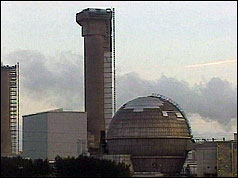

 Sellafield's controversial history
 Nuclear decommissioning at Sellafield