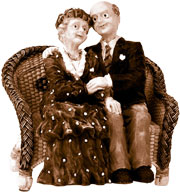

Elderly couple who still like a drink
 | |
Alcohol and the older person can hold special dangers.
Bodies work less
efficiently in later life and experience of safe drinking levels in younger days may prove an unreliable guide as time goes by and circumstances change. For this reason older people’s livers and kidneys tend to be slower at expelling
alcohol from the bloodstream. This means that the effects of alcohol on the brain and the liver are longer lasting. Alcohol can aggravate various other health problems, e.g. high blood pressure, digestive disorders, poor circulation – from which older people are more likely to suffer. 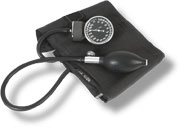 | | Blood pressure monitor |
Alcohol can interfere with a person’s ability to remember things and may contribute to confusion and short-term memory loss. For people who are already frail or unsteady, there may be increased likelihood of falls and accidents if they drink alcohol. Alcohol can increase the likelihood of incontinence in older people.
Alcohol is a depressant drug, not a stimulant. Too much of it slows reactions & can make people feel depressed.  | | Depressed man |
There is very little food value in alcoholic drinks and people who drink instead of eating may suffer from malnutrition. It is important to buy enough nourishing food! Alcohol is expensive and may lead to an increase in financial problems, especially for people who are already on low incomes. Alcohol does not warm the body - it cools it down. People who feel cold should not drink it and no one suffering from hypothermia should ever be given it.
Prescribed drugs such as sedatives, tranquillisers and sleeping pills should not be mixed with alcohol. Over-the-counter painkillers and cold remedies may be dangerous too. Ask your doctor or pharmacist if it is safe to drink alcohol with any medicine you are taking. 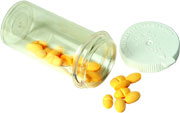 | | Sleeping pills |
Sadly some elderly people suffer bereavement, lose confidence and become isolated and lonely. Others may suffer from chronic pain, disability or insomnia.
For these people there is a temptation to self-medicate. They escape temporarily from negative experiences and feelings. Alcohol may seem to offer relief in the short term, but it often makes the problems worse or impairs the person’s ability to come to terms with them or find solutions to them. People who drink to relieve stress can very quickly become psychologically dependent on alcohol and can come to believe they can’t cope without it. If you are caring for an older person:
If an older person in your care appears confused and their co-ordination seems to be deteriorating your first port of call is to speak to your GP, who will help advise you or refer to an expert. Sometimes alcohol problems are overlooked or misdiagnosed as senile dementia. On the other hand, diabetes or Parkinson’s disease occasionally goes undiagnosed because a person is known to enjoy a drink. Be alcohol-aware – but don’t jump to conclusions! Carers themselves may become over tired or anxious and may be at risk of drinking to relieve stress. It is important to look after your own health and to seek help and support sooner rather than later. Alcohol and the risk of fire:
Some homes are more vulnerable to the risk of fire than others. Generally, households where there are young children, elderly persons or smokers are more likely to have fires than other households. There are obvious reasons for this! However, not many people know that there are other less obvious added risk factors. One of these is the use of alcohol and other mood altering drugs. People who have had a drink may become confused, forgetful or may fail to foresee the consequences of their actions. They are also, therefore, less likely to be aware of the development of a fire.
To help protect yourself always ensure you have a correctly fitted and working Smoke Alarm. They cost as little as £5.00 and can save your life. Always look for the BS5446 part 1, and make sure it carries the British Standard Kite Mark. |