|  |  |  |  |
 |  |  |  |  |
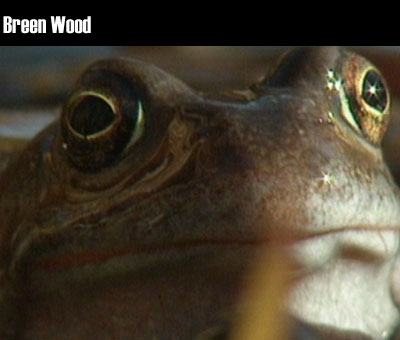  | 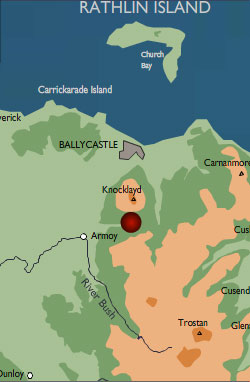 |
An ecosystem is a balanced community of plants and animals that live in a particular environment. An ecosystem contains living things that depend on each other for survival. If one element is removed then the whole ecosystem is put in danger. The environment includes the soil, rock and climate of the area. Even though Northern Ireland is small, climate and soil vary from place to place. From the slopes of the Sperrins to the shores of Strangford Lough, these different environments will support different ecosystems. All living things need energy and nutrients to survive. Energy comes from the sun and is passed through the ecosystem via food-chains. Nutrients are recycled through food-chains and then returned to the soil when the animals or plants die, waste material is produced or leaves fall from the plants. Centuries ago, Ireland was covered in oak woods. Over the years these forests have been cleared for farming or timber. Surrounded by a planted coniferous forest, Breen wood is one of the few remaining areas of natural forest in Northern Ireland. Breen wood is an oak wood ecosystem growing on a small slope. The oak trees are the main vegetation, mixed with Birch they form a dense canopy layer, 20m above the ground. In areas where the ground is damp or beside the stream, trees like alder and willow grow. The shrub layer is made up of shorter trees and bushes and stands below the canopy. This layer consists of hazel, rowan holly and hawthorn trees. Beneath the shrubs you'll find the field, herb or plant layer. Flowering plants such as honeysuckle, bramble, buttercup, fern and primrose grow here. Underneath the bramble the undergrowth, floor or ground layer is found. This is where mosses grow in the damp and shade. The majority of the plants in Breen wood are deciduous. This means they lose their leaves in winter. When the leaves fall they are recycled back into the ecosystem as they rot. The trees provide essential shelter for mammals and birds to roost and nest. Supporting hundreds of different insects, these trees provide food for a range of birds and mammals. Animals such as badgers, rabbits, weasels, squirrels and foxes can be found under the canopy of trees. Dragonflies, frogs and newts live in areas where there are small pools of water. Buzzards, tits, tree-creepers and sparrow hawks can be seen flying over the tree-tops. Temperatures range from 15oC in Summer to 4oC in Winter. The rainfall is typical of Northern Ireland's monthly average. Breen wood has been designated a Special Area of Conservation. Grazing animals are kept out of this area as they would eat any young plants. In Northern Ireland land is a valuable asset. If this area was not protected then the trees would be removed and then the ecosystem would be destroyed. | An ecosystem is a balanced community of plants and animals that live in a particular environment. The environment includes the soil, rock and climate of the area. All living things need energy and nutrients to survive. Energy comes from the sun and nutrients are recycled through food-chains. Breen wood is an oak wood ecosystem growing on a small slope. The oak trees are the main vegetation, mixed with Birch they form a dense canopy layer, 20m above the ground. The trees provide essential shelter and food for mammals and birds. Breen wood has been designated a Special Area of Conservation. |