
Darren Neville suffered irreversible brain damage and died 54 days later
The police watchdog is "broken and biased" according to the family of a man who died after being restrained by officers.
Darren Neville, 28, suffered irreversible brain damage after being restrained during a breakdown.
His mother Carol said the Independent Police Complaints Commission (IPCC) didn't investigate his death properly.
The IPCC said its investigation of the "challenging situation" was thorough.

Darren Neville, who died in 2013 after being restrained by police
Mr Neville was staying in a hostel in Aberdeen Park, Highbury, when he suffered acute behavioural disorder in March 2013.
He is seen looking distressed on CCTV, and breaks through a window.
Me Neville was restrained by police, but went into cardiac arrest and died 54 days later.
'Complete overhaul'
The family demanded the IPCC investigate why the decision to restrain was taken, but said it took too long to question the officers involved.
They complained there were trainee investigators working on the case and said the IPCC didn't ask the right questions.
An inquest later contradicted the watchdog's findings and said the police's response played a part in Darren's death.
The family's lawyer said the case was symptomatic of long-standing criticism of the organisation.

Carol Neville says the IPCC has let her family down
Recent figures, revealed by a Freedom of Information request, show that more than a third of both deputy and senior investigators at the IPCC are former police officers.
The family's lawyer, Daniel Machover, partner at Hickman and Rose, said the organisation "needs a complete overhaul".
"They are too influenced by police culture and police practices," he said.

Changes to the IPCC
The IPCC will be reformed to improve efficiency, it was announced last month.
It will be renamed the Office for Police Conduct.
Its role is expanding to involve all serious and sensitive cases.
The aim is to make it more responsive to the public.
The Policing and Crime Bill will make the police complaints and discipline systems simpler, the Home Secretary says.
Source: Home Office
Mrs Neville said: "We're upset and angry. They've just let us down.
"You're thrust into a situation. You have to put your trust into them as you don't have any other option and you do believe they are going to conduct a proper investigation."

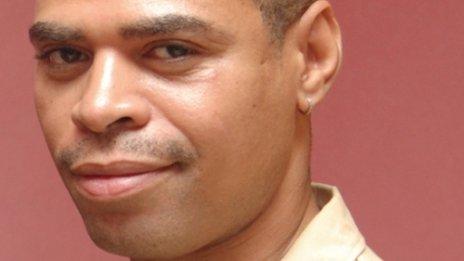
Sean Rigg died from cardiac arrest at Brixton police station in 2008
One of the IPCC's most high profile failures was its investigation into the death of 40-year-old Sean Rigg in police custody in August 2008.
An independent investigation found that officers did use unsuitable force - contradicting the IPCC's findings.

Marcia Rigg, sister of Sean Rigg, says fewer ex-police officers should be leading investigations at the IPCC
Sean's sister Marcia Rigg said: "There's never been accountability. This is something that has been happening for decades. Get the ex-police officers out of the front of the investigation."
A spokesperson from the IPCC said in the case of Darren Neville: "We did not find evidence that police acted in a way that was unlawful or breached professional standards."
But they recognise that "restraining people with acute behaviour disorder carries serious risks".
IPCC chair Dame Anne Owers said although police expertise will always be needed, the organisation is "increasing the diversity" of its staff.
"We are pleased that the government has accepted the need for change, and legislation is currently before parliament."
- Published7 October 2014
- Published19 June 2014
- Published30 May 2014
- Published29 May 2014
- Published9 December 2013


