Summary

  • South African royal family welcomes jail sentence for king

  • Muslims praised for shielding Christians during Kenya attack

  • Burkina Faso arrest warrant for deposed leader

  • Nigeria bans credit card use abroad

  • 'Deadly' Djibouti clashes over Prophet Muhammad's birthday

  • Row in Malawi after charges dropped against same-sex couple

  • Email stories and comments to africalive@bbc.co.uk - Monday 21 December 2015

  1. Scroll down for Monday's storiespublished at 18:00

    We'll be back on Tuesday

    That's all for today from the BBC Africa Live page. Listen to the Africa Today podcast and keep up-to-date with developments across the continent on the BBC News website.

    Today's African proverb was: "A chicken's prayer doesn't affect a hawk." It's a Swahili proverb sent by Joseph Blatz in the US. 

    Click here to send your African proverbs.

    We leave you with this picture of a street vendor looking straight into the lens of Bernard Kalu's camera in the middle of the hustle and bustle of a street in Lagos, Nigeria's commercial capital:

    This Instagram post cannot be displayed in your browser. Please enable Javascript or try a different browser.View original content on Instagram
    The BBC is not responsible for the content of external sites.
    Skip instagram post

    Allow Instagram content?

    This article contains content provided by Instagram. We ask for your permission before anything is loaded, as they may be using cookies and other technologies. You may want to read Meta’s Instagram cookie policy, external and privacy policy, external before accepting. To view this content choose ‘accept and continue’.

    The BBC is not responsible for the content of external sites.
    End of instagram post

    We'll be looking for your snaps from the weekend next Monday. To be featured, tag your Instagram pictures with #RegramTheWeekend.
  2. Muslims thanked for saving Christians in Kenya ambushpublished at 17:59 GMT 21 December 2015

    People are using the hashtag #ManderaBusAttack to thank the Muslims who saved the lives of Christians by refusing to be separated from them when Islamist gunmen ambushed their bus in north-east Kenya:

    This X post cannot be displayed in your browser. Please enable Javascript or try a different browser.View original content on X
    The BBC is not responsible for the content of external sites.
    Skip X post

    Allow X content?

    This article contains content provided by X. We ask for your permission before anything is loaded, as they may be using cookies and other technologies. You may want to read X’s cookie policy, external and privacy policy, external before accepting. To view this content choose ‘accept and continue’.

    The BBC is not responsible for the content of external sites.
    End of X post
    This X post cannot be displayed in your browser. Please enable Javascript or try a different browser.View original content on X
    The BBC is not responsible for the content of external sites.
    Skip X post 2

    Allow X content?

    This article contains content provided by X. We ask for your permission before anything is loaded, as they may be using cookies and other technologies. You may want to read X’s cookie policy, external and privacy policy, external before accepting. To view this content choose ‘accept and continue’.

    The BBC is not responsible for the content of external sites.
    End of X post 2
    This X post cannot be displayed in your browser. Please enable Javascript or try a different browser.View original content on X
    The BBC is not responsible for the content of external sites.
    Skip X post 3

    Allow X content?

    This article contains content provided by X. We ask for your permission before anything is loaded, as they may be using cookies and other technologies. You may want to read X’s cookie policy, external and privacy policy, external before accepting. To view this content choose ‘accept and continue’.

    The BBC is not responsible for the content of external sites.
    End of X post 3
    This X post cannot be displayed in your browser. Please enable Javascript or try a different browser.View original content on X
    The BBC is not responsible for the content of external sites.
    Skip X post 4

    Allow X content?

    This article contains content provided by X. We ask for your permission before anything is loaded, as they may be using cookies and other technologies. You may want to read X’s cookie policy, external and privacy policy, external before accepting. To view this content choose ‘accept and continue’.

    The BBC is not responsible for the content of external sites.
    End of X post 4

    See 17:44 post - Why Kenyan Muslums stood up to the gunmen

  3. How I won Big Brother Africapublished at 17:55

    Five years ago Nigerian Karen Igho Rakos won Big Brother Africa.

    So after some time, she's had time to reflect on why she won.

    She told the BBC's Kim Chakanetsa that she was the most hated person on the planet when she was first on the show. 

    “I was constantly being judged for the way I look, the way I talk, the way I appear.”

    But she thinks the public turned around because they saw she had a good heart:

    Media caption,

    Big Brother Africa winner Karen Igho Rakos opens up on The Conversation

  4. Will removing agricultural subsidies make a difference?published at 17:48

    Lerato Mbele
    BBC African Business Report

    Shepherds restImage source, Getty Images

    Countries in the World Trade Organization (WTO) have agreed to abolish subsidies on farming exports.

    This doesn't address domestic subsidies that have given European farmers a leg up.

    In France some categories of domestic subsidies are as much as 40% which is totally uncompetitive for farmers elsewhere. 

    Even some developing countries have export subsidies - for example on sugar exports in India and rice in Thailand.

    Even if all the subsidies, tariffs & levies are removed, farmers in poorer countries still face barriers such as health, safety and packaging requirements which are entrenched in trade protocols. 

    And even if they overcome these, 70% of African farmers are smallholders. This means that they don’t have the money to process their material into high-value goods, such as turning fruit into juice, jam or confectionery which makes their basic goods unattractive to key consumer markets.

    Saying all that, the agreement does signify a willingness to make small concessions in a really complicated process that has stalled for 14 years.

  5. Why Kenyan Muslims stood up to al-Shababpublished at 17:44

    Bashkas Jugsooday
    BBC Africa, Nairobi

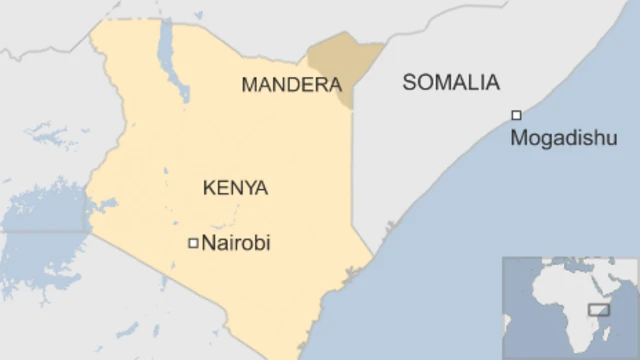
    Map

    Passengers showed great bravery by challenging gunmen suspected to be from militant Islamist group al-Shabab when they ambushed a bus on the road between Kenya's capital, Nairobi, and north-eastern Mandera town (see 11:11 post). 

    But there was another quality revealed by their surprising decision to stand up to the gunmen: Frustration. 

    The majority of the local population in the north-east are Kenyan Muslims of Somali descent, and they have been hit hard by the consequences of al-Shabab attacks, even if non-Muslims are supposedly the main target of the Somali militant group. 

    An attack last year in Mandera, in which Christians were killed after being separated from Muslims, caused the departure of more than 2,000 teachers, as well as many health workers who had come from other parts of Kenya. 

    Perhaps, the passengers felt that the region could simply not afford another such attack by al-Shabab. It will be interesting to see if their actions embolden local populations to increase their resistance to al-Shabab, which has attacked the area several times.

    Read: Why is al-Shabab targeting Kenya?

  6. African warlord film is top of Netflix' most watched listpublished at 17:51 GMT 21 December 2015

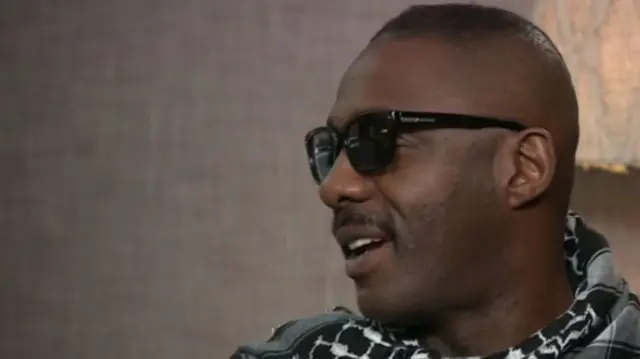
    Idris Elba

    Beasts of No Nation, a film about an African warlord who uses child soldiers, has become Netflix most-watched title.

    The film is set in an un-named West African country. 

    But the lead actor, Idris Elba told the BBC's Babita Sharma that researching the role made him "delve into" the war in his father's country, Sierra Leone. 

    He said the war "absorbed" his family in a way that he didn't realise until he made the film.

    The film was shot in Ghana, where is mother is from.

  7. South Sudan rebels 'arrive' in capitalpublished at 17:35

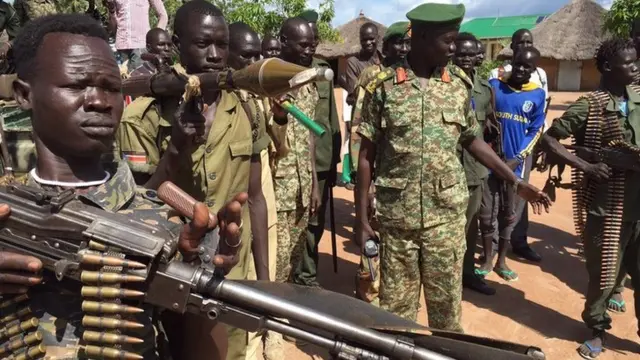
    A delegation of South Sudan's rebels has returned to the capital after two years of exile to start implementing a peace agreement signed four months ago, officials have said, the Associated Press (AP) news agency reports. 

    Fifteen members of a 150-person advance team landed in Juba from Gambela town in Ethiopia to start work to make the peace deal a reality, said Paul Kordit, the spokesman of the government's reception committee. 

    "We would like to welcome them to the capital of the republic of South Sudan, Juba, and tell them they are welcome home,'' he added.

    Ramadan Hassan Lako, the leader of the rebel delegation, said he wanted to assure people "that we start today the implementation of agreement'. 

    Nyal, in Unity State, is one of the last remaining areas held by rebel forces
    Image caption,

    The conflict started just over two years after South Sudan's independence

    South Sudan's two-year conflict has killed tens of thousands of people and left more than two million homeless.

    The conflict started after President Salva Kiir accused his sacked deputy, Riek Machar, of plotting a coup. 

    He denied the allegation, but then formed a rebel army to fight the government. 

    Read: South Sudan's men of dishonour

  8. Migrant Nigerian plumber fixing things back homepublished at 17:15

    Earlier, we told you about the story of the plumber who predicted correctly that he would be more successful in Lagos than in London.

    Meet the man behind the story here:

  9. 'Warrant' for Compaore over Sankara killingpublished at 16:50

    Burkina Faso has issued an international arrest warrant for ousted leader Blaise Compaore for his suspected role in the 1987 killing of ex-President Thomas Sankara, an unnamed judicial source is quoted by AFP news agency as saying. 

    The source said that Mr Compaore, who is exiled in Ivory Coast, had been charged with the "attack" and "assassination", it reports.

    Mr Compaore has always denied any involvement in the killing of Mr Sankara - a revolutionary figure who is still a hero to many people in Burkina Faso. 

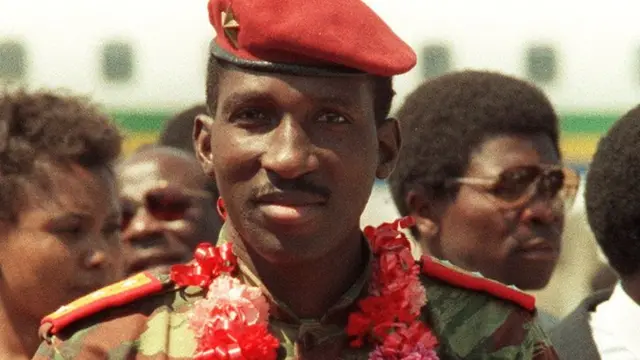
    Mr Sankara, pictured below, was was killed during a coup in 1987. 

    Thomas Sankara in 1986Image source, AFP

    A police lab helping to investigate the killing of the iconic former president on Monday said it had not managed to detect any of his DNA in the remains presumed to be his, a family lawyer said, AFP reports.

    After Mr Sankara's death, Mr Coompaore became president until a popular uprising last year forced him to flee Burkina Faso. 

    Read: Africa's Che Guevara - Thomas Sankara's legacy

  10. China 'scraps' Zimbabwe's debtpublished at 16:39

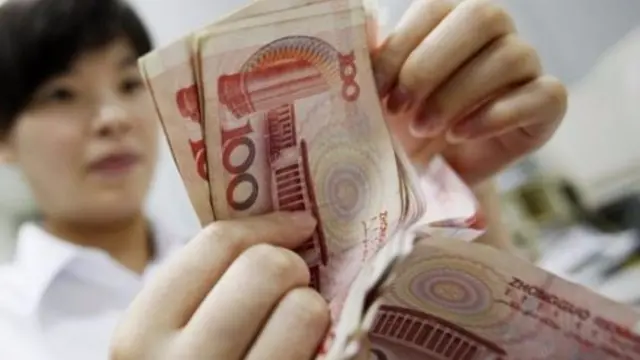
    Zimbabwe finance ministier has said that China plans to cancel $40m (£27m) in debts, reports AFP news agency. 

    In the same announcement, Patrick Chinamasa said that Zimbabwe intended to make the Chinese currency the yuan legal tender.

    YuanImage source, AFP
    Image caption,

    China are Zimbabwe's biggest trading partner

    Zimbabwe abandoned its currency in 2009 after hyperinflation. 

    It then started using foreign currencies, including the US dollar and the South African rand.

  11. Nigeria bans credit card use abroadpublished at 16:25

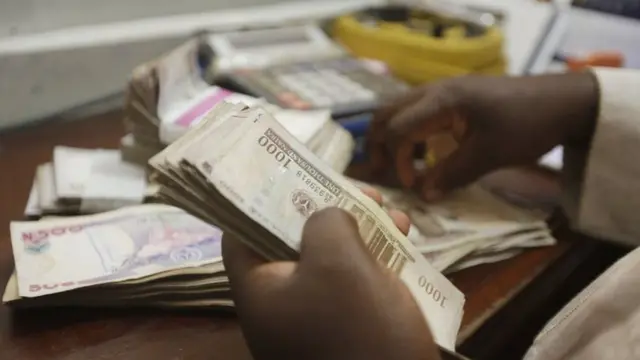
    Nigeria's central bank has ordered commercial banks to stop customers from using their debit and credit cards abroad, a source has told the BBC.

    One bank has emailed customers to this effect, stressing it is a "temporary measure".

    Access to foreign online retailers will also be affected when the ban takes effect on 1 January 2016.

    It is part of the government's effort to try to stem the flow of foreign exchange out of the country.

    Nigeria money changerImage source, AP

    The unofficial value of the Nigerian currency, the naira, has plunged because of the fall in the oil price - its main export.

    Read the full BBC story here.

  12. Cecil the lion's son 'expecting' a cubpublished at 16:10

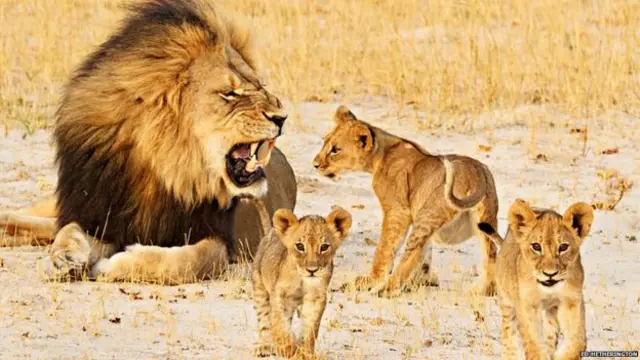
    cecil and prideImage source, Ed Hetherington
    Image caption,

    Cecil led two prides containing six lionesses and 12 cubs along with another lion called Jericho

    Five months after an American dentist killed the famous Zimbabwean lion Cecil, US-based Newsweek magazine reports, external the lion's son is probably expecting a cub.

    The researchers who used to watch Cecil have carried on watching his family after he was killed, including when his son Xanda was mating.

    And after the mating, they are still watching, and waiting for the cub - which they expect to make an appearance in March.

  13. The plumber who predicted he could make it big in Nigeriapublished at 15:59 GMT 21 December 2015

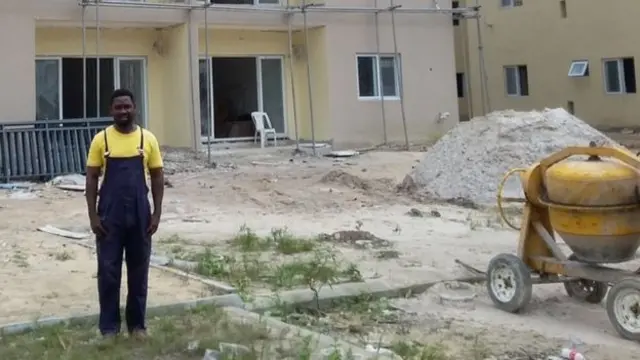
    Anselm Okoukoni

    We hear lots of stories of people migrating to Europe but we don't hear of it happening the other way round - and of people making more money than they could in Europe.

    That's what happened to Anselm Okoukoni (pictured above).

    After moving to London and training to be a plumber, he decided that he would be better off in Nigeria.

    It is common there to enter a magnificent building, only to find that the toilets do not flush properly.

    He bought a van, loaded it with tools and shipped if off to Nigeria.

    As he had envisaged, the dearth of quality workmen had made his plumbing highly sought after and now he employs 12 plumbers.

    Read his life story on the BBC News website.

  14. 'Deadly' shooting in Djiboutipublished at 15:48

    About 15 people have been killed in Djibouti's capital after security forces opened fire on a crowd preparing to celebrate the birth of Prophet Muhammad, an opposition leader has told the BBC. 

    "Armed soldiers opened fire and until now we can confirm up to 15 people killed," said Omar Elmi Khayre, the vice-chairman of the Union of National Salvation (UNS) opposition coalition.

    Djibouti police commander Abdullahi Abdi Farah denied there were any civilian casualties. 

    He said 36 police officers were wounded after being confronted by armed protesters. 

    "There are no civilians killed. It is the politicians taking advantage of the situation," he said. 

    The police had ordered them to move to another venue, but they refused, Mr Farah said. 

    They fired on us and [the security forces] fired back," he added. 

    The Prophet Muhammad's birth is being celebrated by many Muslims around the world this week, although other Muslims do not believe in commemorating it. 

    Djibouti has a huge US military base, used to carry out air strikes against militant Islamists in the region. 

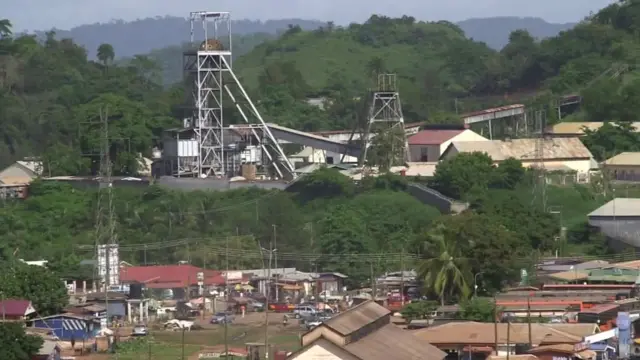
  15. Rangold 'abandons' Ghana gold minepublished at 15:48

    Obuasi gold mine
    Image caption,

    Ghana is the world's second largest gold producer

    Leading gold producer Randgold Resources has pulled out of a major mining project in Ghana.

    In September, Randgold said it would fund and lead a plan to modernise the loss-making Obuasi gold mine.

    But the UK-based Telegraph newspaper reports, external that less than four months after saying this it abandoned plans as the mine didn't pass due diligence.

    Randgold's chief executive Mark Bristow said that their partners, South African firm AngloGold Ashanti "has never made any money out of this asset, ever".

  16. 'Ancestors punish' South African monarchpublished at 15:15

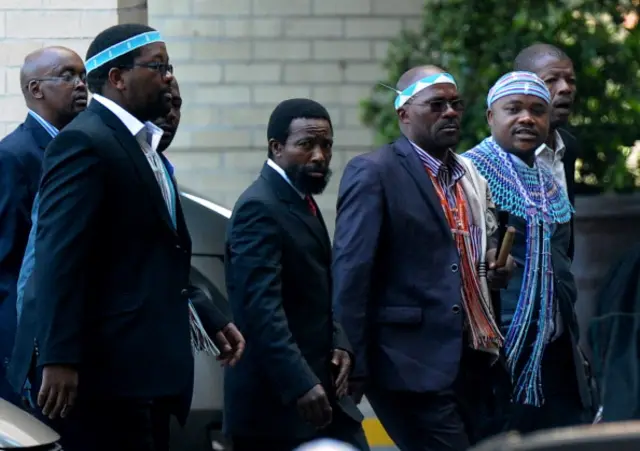
    South Africa's king Buyelekhaya Dalindyebo, who has been sentenced to 12 years in prison, is being "punished by the ancestors", a spokesman for the royal family says, the Johannesburg-based City Press newspaper reports. 

    Daludumo Mtirara said the royal family welcomed the fact that the monarch would spend Christmas in jail. 

    “In our belief, Dalindyebo is being punished by the ancestors. This is the wrath of the ancestors," he is quoted as saying. 

    King Buyelekhaya Dalindyebo (C) flanked by chiefs, arrives on July 9, 2013 to visit former South African President Nelson Mandela at the MediClinic Heart Hospital in PretoriaImage source, AFP
    Image caption,

    King Dalindyebo (C) is the first monarch in democratic South Africa to be convicted of a crime

    King Dalindyebo, who is the monarch of Nelson Mandela's ethnic group, was sentenced to 12 years in prison after being convicted of kidnapping, arson and assault. 

    Correspondents say traditional leaders are divided over the king's fate - some have called on President Jacob Zuma to give him clemency (see 09:03 post). 

  17. Malawi moratorium on same-sex prosecutions welcomedpublished at 15:00

    Leading Malawian human rights activist Billy Mayaya has welcomed the government's moratorium on prosecuting people who are in same-sex relationships. 

    "It is on the right track to abolish sodomy laws but the public needs to be sensitised to understand the secular nature of our country," he told the BBC.

    "Many people here thought Malawi is a Christian country which is not true, we are a secular state," Mr Mayaya added.

    Both Christian and Muslim leaders in deeply religious Malawi have condemned the moratorium, saying homosexuality violated their religious believes (see 09:02 post). 

  18. Zambia include Katongo in football squadpublished at 14:56

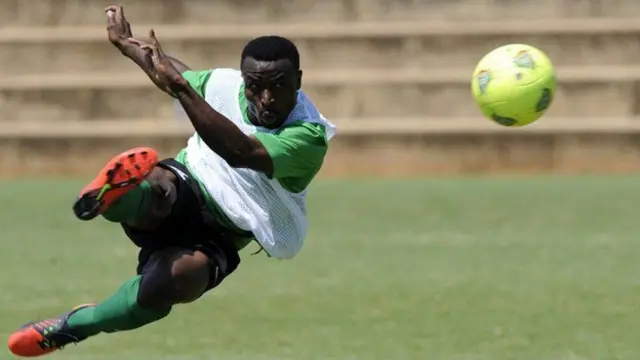
    KatongoImage source, Getty Images

    Zambia have drafted in 2012 Nations Cup winners Christopher Katongo and Isaac Chansa to their preliminary squad for the Africa Nations Championship (CHAN). 

    Katongo captained Zambia to their victory in 2012 but was then throw out of the senior national team two years later after a row with the coaches. The 33-year-old now plays Green Buffaloes in Zambia and so can play at CHAN, which is for locally-based players only. 

    Read more on BBC Sport.

  19. get involved

    Get Involvedpublished at 14:44 GMT 21 December 2015

    Is Nigeria feeling the force? WhatsApp us: +44 7341070844

    Star Wars: The Force Awakens has smashed the record for the biggest box office debut in the US, UK and Ireland.

    But the BBC's Hugo Williams has a question. 

    Is it big in Nigeria?

    This X post cannot be displayed in your browser. Please enable Javascript or try a different browser.View original content on X
    The BBC is not responsible for the content of external sites.
    Skip X post

    Allow X content?

    This article contains content provided by X. We ask for your permission before anything is loaded, as they may be using cookies and other technologies. You may want to read X’s cookie policy, external and privacy policy, external before accepting. To view this content choose ‘accept and continue’.

    The BBC is not responsible for the content of external sites.
    End of X post

    British actor John Boyega, who plays Finn, has Nigerian parents.

    It's something, this superhero tweeter picks up, that he has spoken proudly about in the press:

    This X post cannot be displayed in your browser. Please enable Javascript or try a different browser.View original content on X
    The BBC is not responsible for the content of external sites.
    Skip X post 2

    Allow X content?

    This article contains content provided by X. We ask for your permission before anything is loaded, as they may be using cookies and other technologies. You may want to read X’s cookie policy, external and privacy policy, external before accepting. To view this content choose ‘accept and continue’.

    The BBC is not responsible for the content of external sites.
    End of X post 2

    One tweeter told us his appearance makes a big difference:

    This X post cannot be displayed in your browser. Please enable Javascript or try a different browser.View original content on X
    The BBC is not responsible for the content of external sites.
    Skip X post 3

    Allow X content?

    This article contains content provided by X. We ask for your permission before anything is loaded, as they may be using cookies and other technologies. You may want to read X’s cookie policy, external and privacy policy, external before accepting. To view this content choose ‘accept and continue’.

    The BBC is not responsible for the content of external sites.
    End of X post 3

    While another says the opposite:

    This X post cannot be displayed in your browser. Please enable Javascript or try a different browser.View original content on X
    The BBC is not responsible for the content of external sites.
    Skip X post 4

    Allow X content?

    This article contains content provided by X. We ask for your permission before anything is loaded, as they may be using cookies and other technologies. You may want to read X’s cookie policy, external and privacy policy, external before accepting. To view this content choose ‘accept and continue’.

    The BBC is not responsible for the content of external sites.
    End of X post 4

    So we're still trying to work out how big Star Wars fever is in Nigeria.

    Have you watched it in the cinema?

    And were you a fan before?

    Send your comments and pictures to us on WhatsApp: +44 7341070844.

  20. Africa blighted by multiple jihadist threatspublished at 14:05

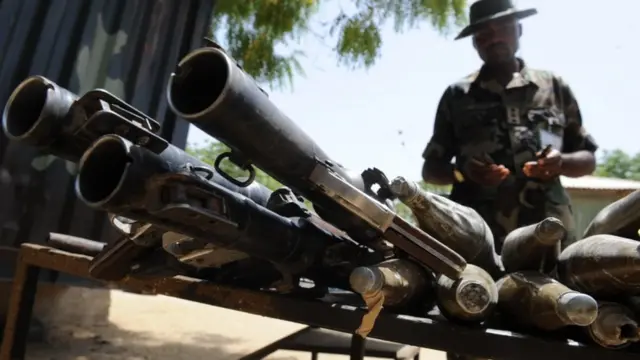
    Arms and ammunitions recovered from Islamist insurgent during a clash with soldiers in the remote northeast town of Baga, Borno StateImage source, Getty Images
    Image caption,

    Nigerian authorities have had some success targeting Boko Haram camps

    Boko Haram was recently rated as the world's most deadly terrorist organisation, external.

    That even eclipses the so-called Islamic State (IS).

    But the BBC's African security correspondent Tomi Olidapo reminds us that Boko Haram is not the only jihadist group posing a threat to stability in Africa.

    There's Somalia's al-Shabab for one.

    And then there is the vast Sahel region, spreading coast to coast across a band of northern Africa, which is a haven for armed groups from bandits to global extremist franchises.

    As things stand, our correspondent predicts terrorism will remain in Africa for at least the near future.

    Read more on the BBC News website.

    Africa blighted by multiple Jihadist threats

    Many African countries are struggling with the threat posed by fundamentalist groups and there is a great need for counterinsurgency efforts, says Tomi Oladipo.

    Read More