Summary

  1. Goodbyepublished at 19:58 GMT 4 December 2025
    Harriet Robinson
    Live page reporter

    Thank you for following our coverage of the findings of the Dawn Sturgess Inquiry.

    We are now bringing our live reporting to an end.

    If you would like to continue reading about Lord Hughes' report, there is more here.

    And those who were on the ground and at the centre of the story share their stories in the BBC iPlayer programme I Was There - Inside the Salisbury Poisonings.

  2. 'Unlikely' Russian agents will be brought to justicepublished at 19:51 GMT 4 December 2025

    Harriet Robinson
    Live page reporter

    Salisbury MP John Glen says he thinks it's "unlikely" the two GRU agents who are believed to have carried out the Novichok attack on Sergei Skripal would ever be brought to justice because there is no extradition treaty with Russia and President Vladimir Putin will not hand them over.

    "We would love to bring both of those individuals who came to Salisbury, who administered that Novichok on the door of the Skripals’ home, and caused so much disruption and tragedy to Salisbury to face justice," he says.

    Mr Glen adds: "That seems unlikely. But we’ve got to keep the pressure up and do everything we can to try and find them.

    "The fact that we apparently will find it very difficult to bring them to justice doesn’t mean that we shouldn’t continue to seek justice at every opportunity."

  3. Putin didn't keep to 'rules'published at 19:38 GMT 4 December 2025

    Harriet Robinson
    Live page reporter

    "Could we have prevented it? Hindsight is a great thing here," says Mr De Bretton-Gordon.

    "Sergei Skripal was very clear that he wanted to live in the open and didn't want to hide in the shadows," he tells Amanda Parr.

    The chemical weapons expert explains: "The rules, that might sound a rather odd thing to say, is once these double agents have retired, they're left alone.

    "Obviously, Putin didn't do that."

  4. 'Tyrant' Putin has 'no concern for collateral damage'published at 19:25 GMT 4 December 2025

    Sophie Parker
    Live page reporter in Salisbury

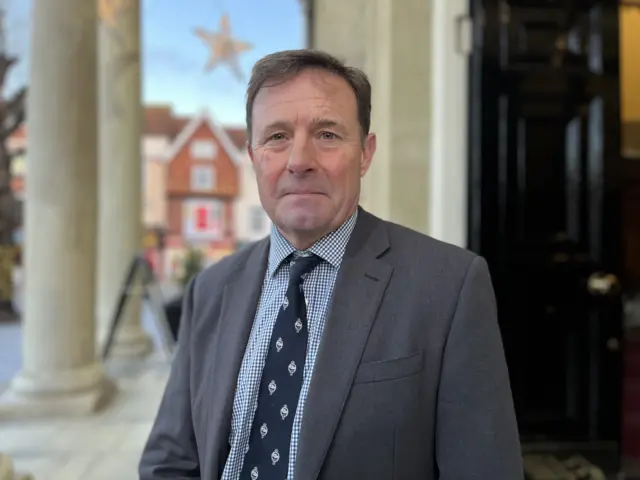
    A chemical weapons expert and former army officer has praised chair Lord Hughes' "pretty good job" on the inquiry report, adding that he had "most importantly" identified "that the person responsible for the death of Dawn Sturgess is directly the Russian president Vladimir Putin who ordered these attacks in the first place".

    Hamish De Bretton-Gordon OBE calls Putin a "tyrant", who has "no concern for collateral damage".

    He says he's pleased Lord Hughes pointed out more resources needed to be put into scenarios like this "as we are in a hybrid war".

    He explains chemical weapons are "banned under every convention - they're horrendous weapons".

    After seeing chemical agents used first-hand in Iraq and Afghanistan, Mr De Bretton-Gordon, who lives just half an hour from Salisbury, says: "I never ever in my wildest dreams thought that they would come home to the UK and come home to my hometown as it were."

    Hamish De Bretton-Gordon wearing a grey blazer with a blue and white checked shirt and navy tie. He is standing outside a building with large pillars showing behind him.
  5. 'Horrendous impact on Salisbury'published at 19:13 GMT 4 December 2025

    Harriet Robinson
    Live page reporter

    The MP for Salisbury says the Novichok poisonings had a "horrendous impact" on the city.

    "We didn't know what was happening," John Glen tells Amanda Parr.

    "Vast aspects of the city were cordoned off. "It was terrifying for a lot of people"

    "Lives were changed forever," he adds.

    But he says Salisbury's "a wonderful place with wonderful people and they're very resilient".

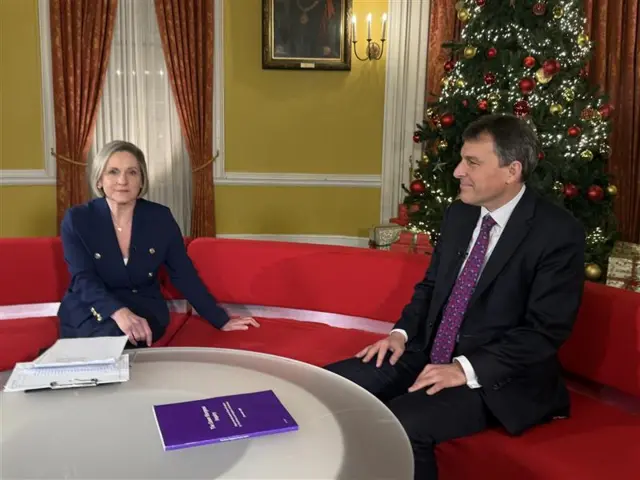
    Amanda Parr and John Glen sitting on a red sofa
  6. How did the poisonings affect local people?published at 19:01 GMT 4 December 2025

    Will Glennon
    Reporter, BBC Points West

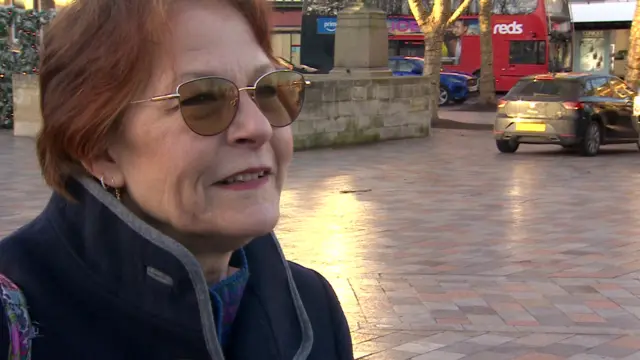
    "It really shook the city," says resident Mary.

    “It made you question everything – what’s really going on? What’s happening?. Just by touching something, you could die. It was scary," she adds.

    "I think it will stay with people for a very long time."

    A woman with short red hair in a navy fleece and glasses. She is standing outside and looking at the interviewer.
    Image caption,

    Mary, who lives in Salisbury, says the poisonings "made you question everything"

    Another resident Anthony recalls "things were starting to happen that were making us feel uncomfortable" after the first incident, calling the situation "unnerving".

    He says the locals weren't being told many details and "could just have done with a bit more information".

    However, he says, "it's in the past now".

    "I mean obviously those who did it aren't going to come to justice or anything - that's a shame."

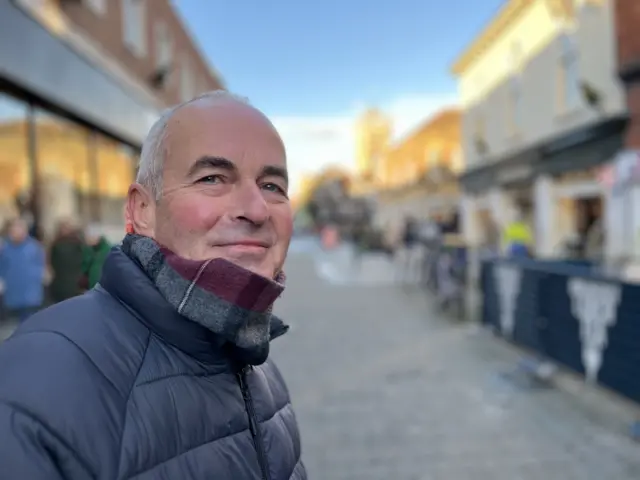
    A man in a navy padded jacket and tartan scarf and short, white hair, smiling. He is standing on a street that's blurry behind him.
    Image caption,

    Anthony says the situation was 'unnerving'

    Kim Harrison, who also lives in Salisbury, says she thinks the city "dealt with it well".

    But "it's sad for Dawn. Really, really sad," says Ms Harrison.

    "I think Salisbury's still suffering. I'd rather forget it."

  7. 'No justice for the bereaved'published at 18:46 GMT 4 December 2025

    Bea Swallow
    Live page reporter

    Neil Basu, former Head of Counter Terrorism Policing, said his lasting impression of the incident felt like a "failure" on his part.

    "I didn’t join policing to allow bad people to escape with their crimes, and that’s what’s happened here," he explained in the Salisbury Poisonings documentary.

    "When you know who’s done something, you want justice for the people they’ve harmed. When you don’t get that justice, it’s a terribly hollow feeling.

    "But it can’t be anything like the damage it does to the bereaved. Dawn’s family didn’t get justice."

  8. Live programme from 18:30 GMTpublished at 18:19 GMT 4 December 2025

    Harriet Robinson
    Live page reporter

    Stick with us as from 18:30 tonight we'll be streaming a special hour-long live programme from Salisbury hosted by Amanda Parr.

    She'll be joined by guests to react and analyse today's inquiry findings.

    You'll be able to watch it at the top of this live page or by going to the BBC iPlayer and scrolling down to the Live and Latest news section.

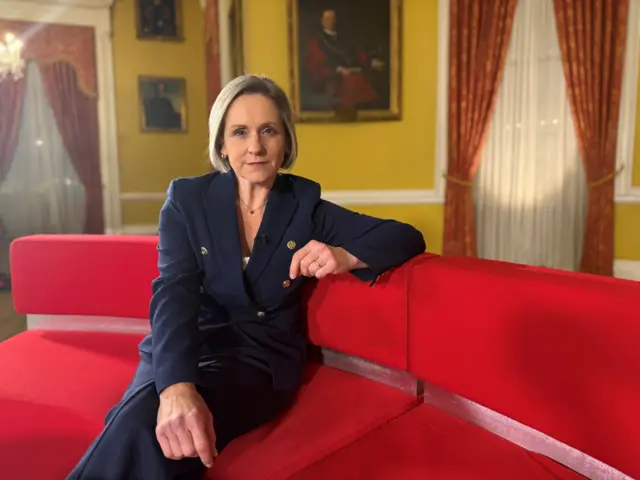
    Amanda Parr in a Navy trouser suit sitting on a red sofa. She has one arm on her thigh and one resting on the back of the sofa. There are yellow walls and red curtains behind her.
  9. Have British spies learned lessons?published at 18:11 GMT 4 December 2025

    Gordon Corera
    Security correspondent

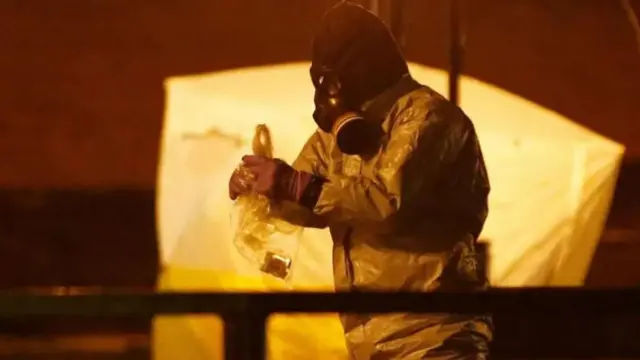
    A person in full PPE, including an oxygen mask, holding a plastic bag, walking at night. There is a tent behind them.Image source, Reuters

    When the call came in to the duty officer at MI6 headquarters on the evening of 4 March 2018, it was met with surprise and alarm. One of their agents was lying in a hospital bed, apparently poisoned.

    The realisation that Sergei Skripal had been targeted within the UK sent shockwaves through the world of British spies and raised important but difficult questions, some of which have been answered by this latest report. But have all the lessons been learnt?

    Read my analysis here.

  10. Looking back at today's findingspublished at 17:57 GMT 4 December 2025

    Harriet Robinson
    Live page reporter

    As our live coverage continues into this evening with more reaction to today's report, here are some of Lord Anthony Hughes' conclusions:

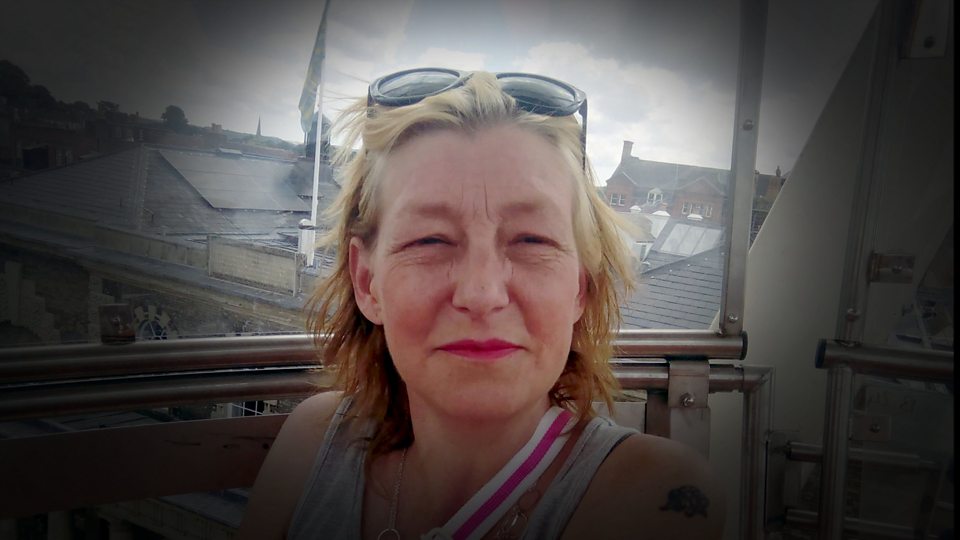
    • Everyone involved in the attempt to assassinate Sergei Skripal - including Russian President Vladimir Putin - was "morally responsible" for the death of Dawn Sturgess
    • Ms Sturgess' condition was “unsurvivable" from a very early stage
    • There were "failings" in the management of former Russian spy Sergei Skripal as an exchanged prisoner
    • The attack on the Skripals was "expected to stand as a public demonstration of Russian power"
    • Evidence that the attack was carried out by the Russian state is "overwhelming"

    You can read our full story on the report and its findings here.

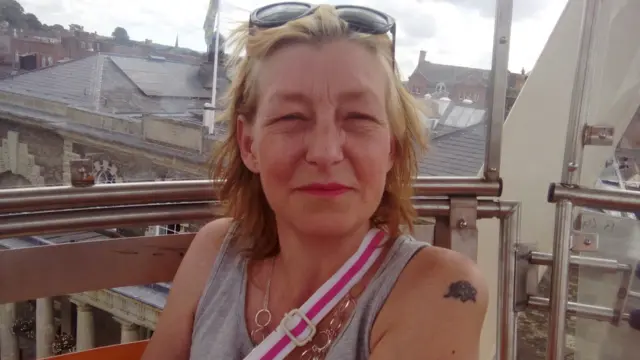
    Dawn Sturgess in a grey vest with a pink and white bag over her shoulder, sitting near a window.Image source, Handout
  11. The bench where the alarm was raisedpublished at 17:23 GMT 4 December 2025

    Sophie Parker
    Live page reporter in Salisbury

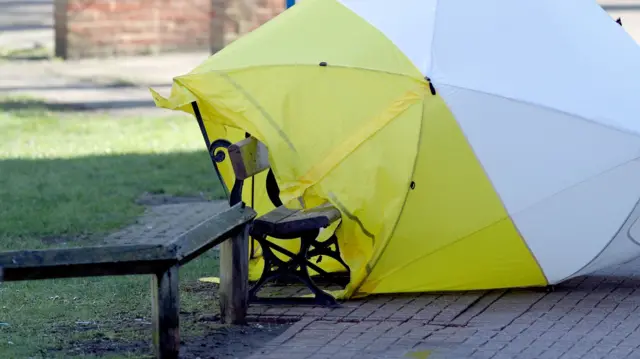
    A yellow and white forensic tent which has blown over in the wind, exposing the wooden bench underneath.Image source, PA

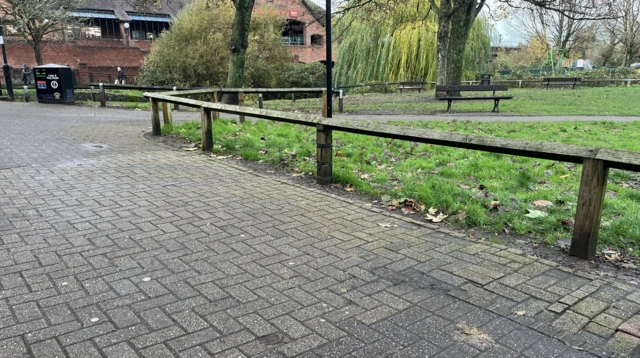
    The public bench where Sergei Skripal and his daughter Yulia Skripal were found slumped and unresponsive was removed from the Maltings area on 4 March 2018 in a race to decontaminate the area.

    The bench was one of nine sites in and around Salisbury and Amesbury which were part of a multi-million pound specialist clean-up operation.

    More than seven years later, the only physical reminders of the bench's presence are the slighter lighter paving stones.

    A section of green space in Salisbury where the wooden bench once stood. The ground is covered in paving stones, some of which are slightly lighter due to less exposure to the elements.
  12. 'It wasn’t at the top of my list to think of a nerve agent'published at 16:58 GMT 4 December 2025

    Bea Swallow
    Live page reporter

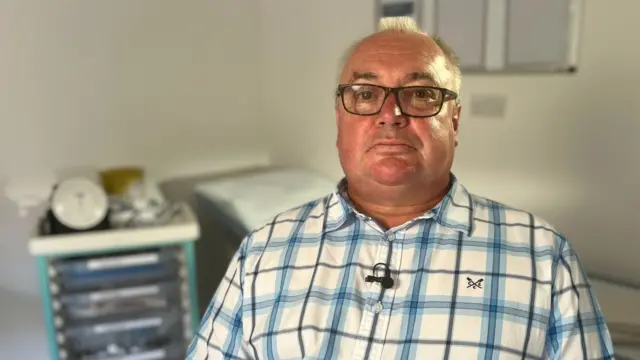
    In the iPlayer documentary, Dr Stephen Cockroft, a former ICU consultant, says the Skripals' symptoms appeared "extremely odd" when they first arrived at Salisbury Hospital.

    "It immediately set off an alarm bell in my head, thinking ‘these people have been poisoned by something’," Dr Cockroft recalls.

    Stephen Cockroft wearing a blue and white plaid shirt and black rectangular framed glasses. He is sitting in a hospital suite with a trolley of medical equipment behind him.

    "Without knowing exactly what had happened, we just continued to initiate intensive care. It wasn’t at the top of my list to think of a chemical warfare nerve agent," he adds.

    He says a Wiltshire Police constable later came up to him and said: "Doctor, you've got to come and see this. I've just Googled Sergei Skripal and you're not going to believe what I've found out."

  13. Family not 'remotely confident'published at 16:44 GMT 4 December 2025

    Sarah Turnnidge
    BBC News, West of England

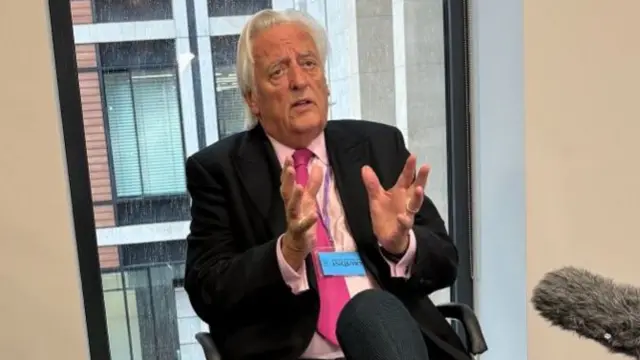
    Michael Mansfield KC, who has white hair swept back from his face, gestures with his hands as he talks to the media. He is wearing a black suit and a pink shirt with a pink tie.

    Asked by BBC News if today's report means Dawn Sturgess' family feel confident that what happened to her could not happen to another family, their barrister Michael Mansfield KC replies: "No, I don't think we're remotely confident."

    He continues: "How can the family be confident when they haven't been given the answers on the key questions about security?"

  14. 'It's happened again boss'published at 16:19 GMT 4 December 2025

    Bea Swallow
    Live page reporter

    In our iPlayer special about the poisonings, former Head of Counter Terrorism Policing Neil Basu speaks of the force's fear of the unknown as more victims fell ill inexplicably.

    “It was the thing we had been most afraid of," he says.

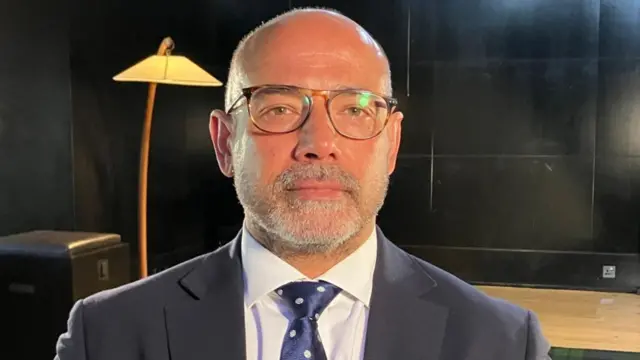
    A head and shoulders image of Neil Basu wearing a dark suit, white-collared shirt and blue polka dot tie. He is sitting in a black studio with a mid-century modern lamp behind him.

    "That call to say ‘it’s happened again boss’. It was probably the worst thing I could have possibly heard.

    “I think of weapons of mass destruction as nuclear missiles. I don’t think of them as a perfume tester bottle - but that’s what it was.

    “I don’t think anyone will ever forget the first time they heard Novichok, and realised this was one of the most deadly substances in the world," Mr Basu says.

    You can watch the whole of the iPlayer special here.

  15. 'My GP surgery was behind a barricade’published at 16:02 GMT 4 December 2025

    Sophie Parker
    Live page reporter in Salisbury

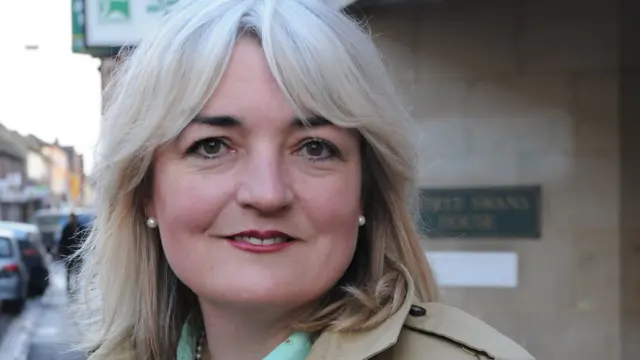
    A woman with light blonde hair smiles. She is outside a building, wearing a beige coat.

    Long-term Salisbury resident Dr Helena McKeown was a GP in the city at the time of the poisonings.

    Speaking today, she says “half the city centre was cut off" after Ms Sturgess became ill.

    "It was very difficult to get around Salisbury. My surgery and our pharmacy was behind a barricade. Patients would have to explain to police why they were there to get in," Dr McKeown says.

    She says GPs previously did not have a lot of training on nerve agents and she saw a number of patients who visited her worried about symptoms.

    “I had patients who gave me very clear histories of having walked through the city centre for shifts near where the bench was, where the Skripals had been.

    "They gave me vague symptoms of unwellness, headaches, dizziness, not sure what was wrong, they didn't feel well. I had several face-to-face patients like that and people on the telephone talking about that," Dr McKeown adds.

  16. Watch our iPlayer specialpublished at 15:39 GMT 4 December 2025

    We've just dropped our iPlayer special - Inside the Salisbury Poisonings.
    In the programme, we hear from former Head of Counter Terrorism Policing Neil Basu, former ICU consultant at Salisbury District Hospital Dr Stephen Cockcroft and the former Head of Public Health in Wiltshire Tracy Daszkiewicz.

    Graphic showing Inside the Salisbury Poisonings
  17. Sanctions 'illegitimate' - Russian spokespersonpublished at 15:29 GMT 4 December 2025

    Bea Swallow
    Live page reporter

    Russian news agency TASS is reporting that the country's foreign ministry spokeswoman, Maria Zakharova, has rejected sanctions imposed on Russia's intelligence service, the GRU.

    "Russia does not recognise the illegitimate sanctions that are being imposed under trumped-up excuses bypassing the UN Security Council, and reserves the right to take reciprocal measures," TASS reports she said.

  18. Counter-terror operational capability 'stronger now'published at 15:16 GMT 4 December 2025

    Daniel Sandford
    UK correspondent

    Vicky Evans wearing a dark green blouse and black blazer, reading a statement.

    A little earlier, we heard from Wiltshire Police's chief constable.

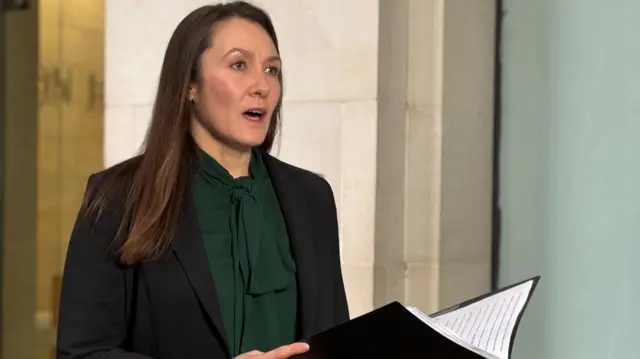
    Now, Deputy Assistant Commissioner Vicki Evans, senior national coordinator for counter-terrorism policing, is responding to today's report.

    She says: "Counter-terrorism Policing, like all of those engaged in this inquiry, is fully committed to improving and enhancing our response to threats to the public and national security. We will take time to reflect on the inquiry report and findings.

    "Much of this work has already been done and our operational capability is stronger now than it was in 2018.

    "We have spoken a great deal about the growing threat posed by state actors, and our work to tackle what can often feel like dangers that are very far away from ordinary life.

    "Dawn’s tragic death and today’s findings are a reminder of the personal and human cost of such national security threats, and we and our partners will do all we can to maintain and strengthen our response."

  19. NHS trust responds to reportpublished at 15:04 GMT 4 December 2025

    Bea Swallow
    Live page reporter

    In a statement, Salisbury NHS Foundation Trust says it will "carefully review the recommendations" set out in the report to "ensure public safety and improve resilience in the future".

    "We welcome the findings of the report and are committed to learning from its conclusions and how we can continue to strengthen our response to rare and complex incidents," it says.

    The trust also commends the "calm, skilled and selfless response" of emergency services and NHS staff during an unprecedented event.

    "We are immensely proud of the exceptional professionalism, dedication and compassion shown by all the staff at Salisbury District Hospital throughout the incident in 2018," it adds.

    "Those who treated the victims, those who responded to the incident, and all those who continued to run our normal services under extraordinary circumstances.

    "Their actions not only saved lives but also provided reassurance and strength to a community under immense pressure," the statement says.

  20. Response 'defined true meaning of community spirit'published at 14:53 GMT 4 December 2025

    Harriet Robinson
    Live page reporter

    Ms Roper acknowledges the impact of the poisonings on the victims and their loved ones, whose lives have "been irreversibly changed".

    "These events also impacted many of our officers, staff and volunteers – both within Wiltshire Police and the hundreds of colleagues who supported us on mutual aid during the incidents," she adds, thanking all those who supported them.

    "Beyond the public service response, these events have had a significant impact on our communities in Salisbury and Amesbury," Ms Roper continues.

    "From the initial incident in Salisbury, the world watched on as local communities supported one another and the emergency services deployed in their neighbourhoods for months at a time.

    "They have defined the true meaning of community spirit," she says.