Israel and Hezbollah in Lebanon exchange firepublished at 04:50 GMT 2 March
We're into the third day of the widening US-Israeli strikes on Iran.
Here is what has happened in the last few hours:
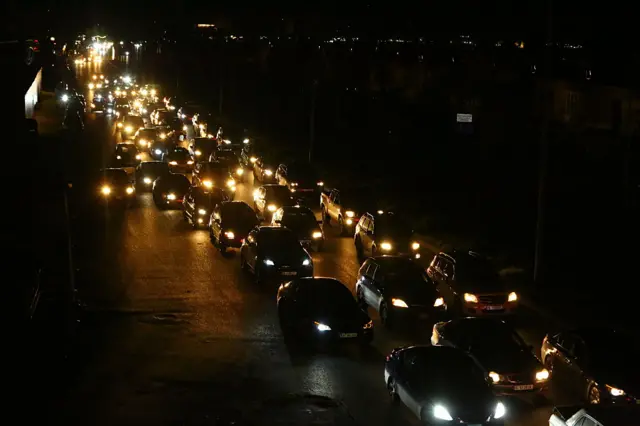
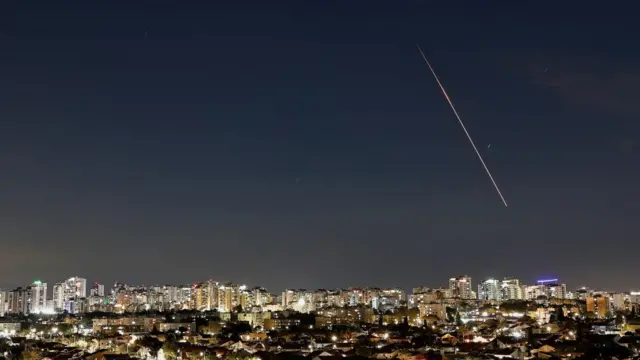
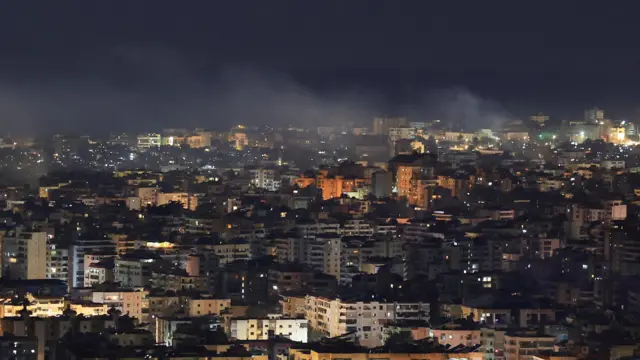
- The IDF has told residents of more than 50 villages in Lebanon to evacuate, after Israel and Iran-backed Hezbollah in Lebanon exchanged fire
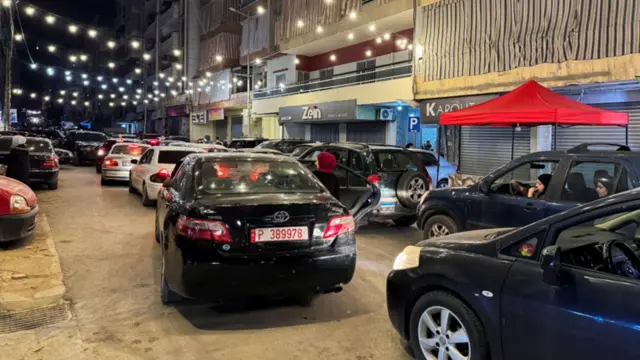
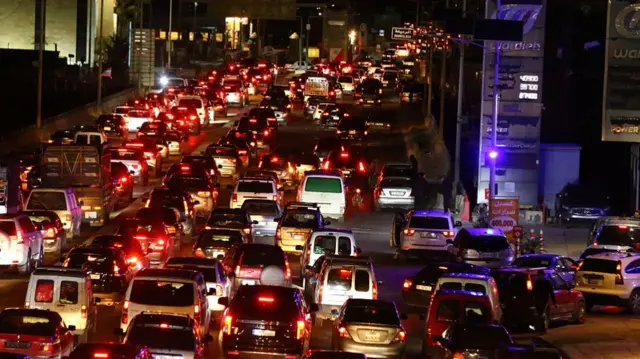
- There are traffic jams in Lebanon as people flee their homes, with one resident telling the BBC that it's "absolutely miserable"
- Iranian missiles have struck have struck the Israeli city of Beit Shemesh killing at least nine people, according to Israel's ambulance service - the deadliest attack on Israel since this war began
- Airline share prices in Asia Pacific are sinking, as Iranian strikes hit its neighbours where it hurts most: their airports
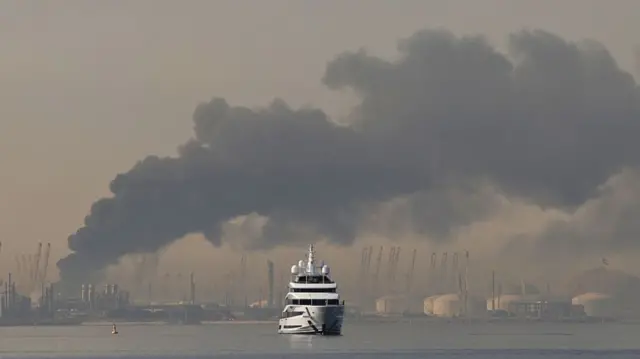
- Meanwhile global oil prices have risen after ships were attacked near the Strait of Hormuz
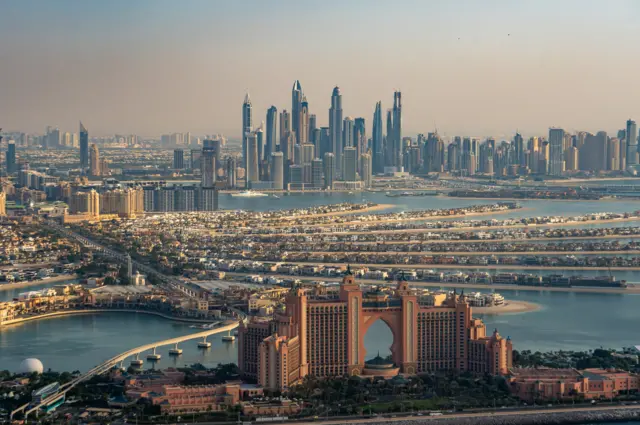
- Members of the Gulf Cooperation Council have accused Iran of violating their sovereignty. The strikes across the Gulf mark widespread business disruption across the region, writes our Asia Business Correspondent
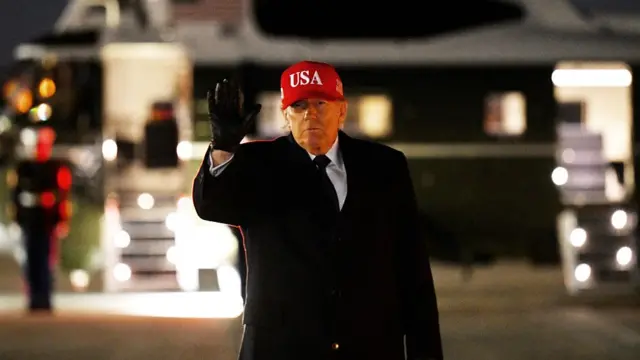
- US President Donald Trump ignored reporters' questions on Iran as he arrived back at the White House. Vice President JD Vance, meanwhile, has shown no public support of the US's action against Iran
- US Secretary of State Marco Rubio is set to brief House and Senate leaders on Iran on Tuesday at at 16:00 ET (21:00 GMT)
We're continuing our live coverage on this page - join us there.