There's plenty of political sensitivity here for Starmerpublished at 14:51 GMT
 Henry Zeffman
Chief political correspondent
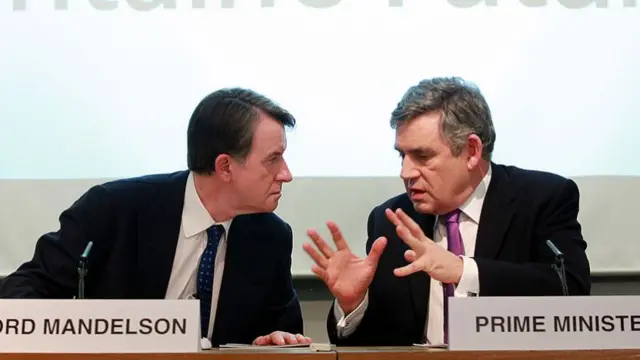
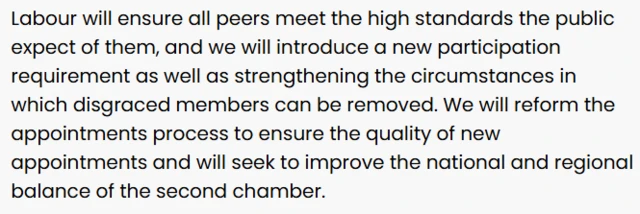
Last night Lord Mandelson was able to resign from the Labour Party - the institution with which he’s been intertwined throughout his life.
Today, the Labour government are trying to signal that Mandelson probably would have been kicked out anyway, and that they would like to find ways to punish him further.
All this is designed to ensure that Starmer and his team do not look like they are racing to catch up with public opinion on Mandelson.
That is also why Darren Jones, a senior cabinet minister, is proactively coming to the Commons this afternoon to speak about the issue rather than the government risking looking like a minister is being dragged before MPs to answer questions.
Still, there is clearly plenty of political sensitivity for Starmer here.
He appointed Mandelson as his ambassador to the US, eschewing recent tradition by opting for a politician over a career diplomat.
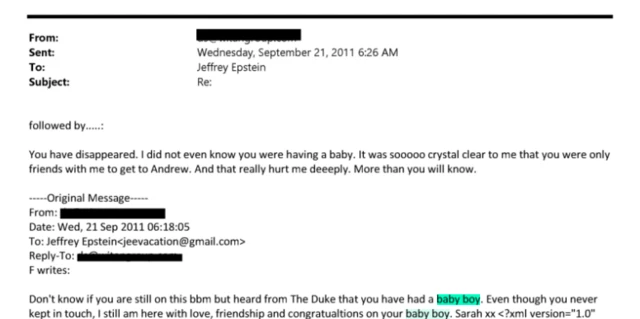
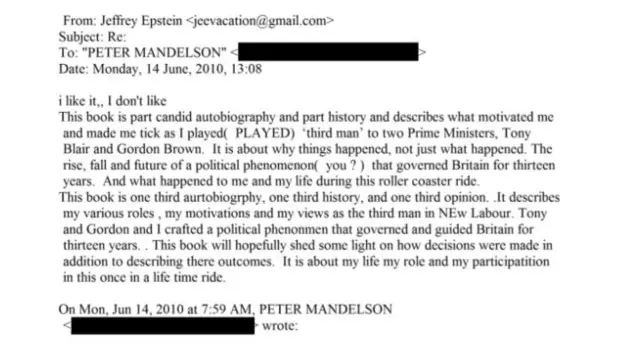
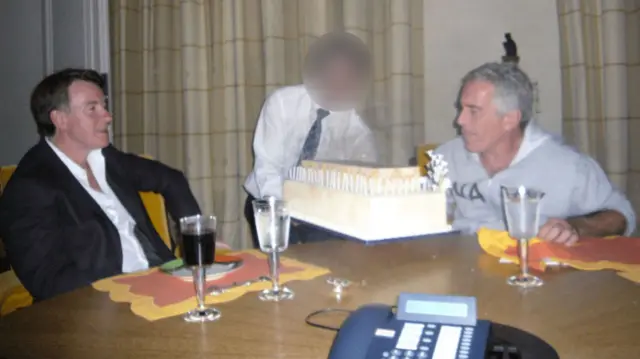
It was a matter of public record at the time of his appointment that Mandelson had had some relationship with Epstein after his conviction, though the prime minister says it was only subsequently that he became aware of the full extent of it.
What is a little harder to define is how influential Mandelson has been over many leading figures on the right of the Labour Party. He has at times had close links, performing almost a mentorship role, with some of Starmer’s Downing Street advisers, including Morgan McSweeney, the prime minister’s chief of staff.
That makes dealing with the political fallout from these latest disclosures even messier for Starmer.