Summary

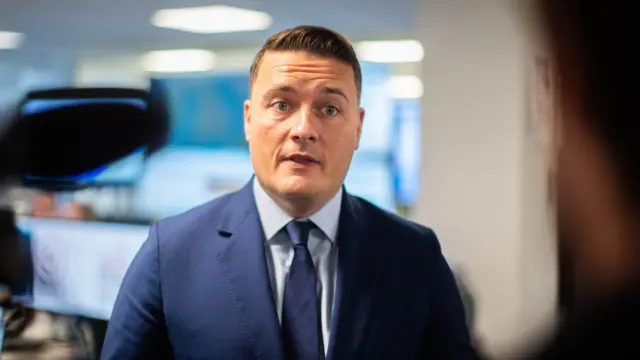
  • Wes Streeting says he'll "examine the evidence" after the UK National Screening Committee advises against routine prostate cancer screening for the majority of men

  • The health secretary says he will take into account different views on mass screening ahead of a decision in March

  • It comes after the expert committee suggests mass testing could cause more harm than good - even for those at high risk, including black men and those with a family history

  • It's a knotty issue, writes the BBC's James Gallagher, while screening will save lives there are also men who may be left incontinent due to treatment for a cancer that wouldn't have killed them

  • Olympic cycling champion Chris Hoy, who has terminal prostate cancer, says he's "disappointed and saddened" by the decision, while Cancer Research UK says mass screening can "miss dangerous cancers and detect ones that don't need treatment"

  • The committee instead says only men with BRCA1 and BRCA2 mutations, aged between 45 and 61, should be offered regular testing

  • Prostate cancer is the most common cancer in men - it mainly affects over-50s and there are about 55,000 new cases diagnosed in the UK each year

  1. Prostate cancer screening should not be offered to most UK men, say expertspublished at 17:35 GMT 28 November 2025

    Charlotte Hadfield
    Live reporter

    Media caption,

    This short video explains what warning signs to look out for

    There have been mixed reactions after the UK National Screening Committee decided to not recommend mass screening on the NHS for prostate cancer.

    The committee's report says the main screening test for prostate cancer is "not very reliable" and as a result, can lead to "over-diagnosis and unnecessary treatment" - even for those at high risk, including black men and those with a family history of the disease.

    The UK NSC attributes "uncertainties in the data" as the reason why, but says it will work with the Transform clinical trial to "resolve these uncertainties as soon as possible".

    Men aged 45 to 61 with BRCA1 and BRCA2 gene mutations, who are more likely to develop "faster growing and aggressive cancers at an earlier age", should be offered regular testing - every two years.

    The NSC's recommendations have faced fierce criticism from a number of high-profile figures, including former Prime Ministers Rishi Sunak and David Cameron, Olympic cycling champion Chris Hoy, and actor Stephen Fry.

    However, some clinicians and Cancer Research UK have supported the conclusions against mass screening which it says "can miss dangerous cancers and detect ones that don’t need treatment".

    Health Secretary Wes Streeting says he will examine the arguments for and against mass screening ahead of a final decision in March.

    We're ending our live coverage now, but you can read more about today's announcement in our latest story.


  2. Analysis

    UK not the only country grappling with prostate cancer screening decisionpublished at 17:26 GMT 28 November 2025

    Jim Reed
    Health reporter

    The UK isn’t the only place grappling with this decision.

    Other countries have been setting up trials and running experimental programmes to try to improve prostate cancer diagnosis.

    In Lithuania, for example, men aged 50 to 69 (or 45+ with a family history) are already invited to come forward for a PSA (prostate specific antigen) blood test, rather than having to proactively ask their GP.

    In Sweden there is no universal screening programme because of concerns about over-diagnosis, but some individual regions have started to ask men to have a conversation with their doctor about the pros and cons of testing.

    Other countries, including Canada and the US, have come to the same conclusion as the UK experts today and decided that, for the moment, asking all men over a certain age to come forward for routine tests may do more harm than good.

  3. Prostate cancer survivor 'shocked' by UK NSC reportpublished at 17:17 GMT 28 November 2025

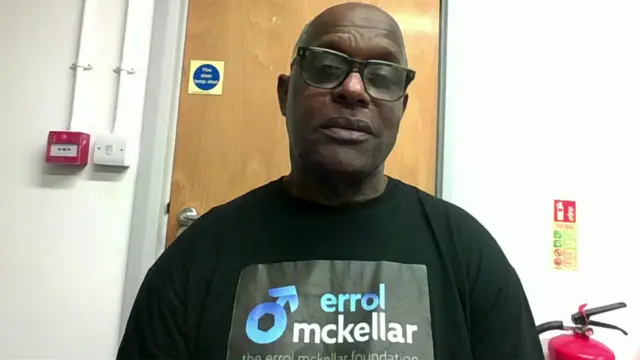
    Errol McKellar wears glasses and a t-shirt which bears the name of his charity, 'The Errol McKellar Foundation'

    Errol McKellar, a prostate cancer survivor who runs a charity - the Errol McKellar Foundation - which raises awareness of the disease, says he was "really shocked" by the UK National Screening Committee's recommendation against routine screening for the majority of men.

    "I was really hoping that we would get some kind of positive news today. There's a been a major, major campaign to get to where we are now," he tells BBC News.

    But McKellar says the prevalence of the disease among black men is "frightening" and points to a lack of awareness about symptoms.

    He took a prostate-specific antigen (PSA) test in 2010 after picking up a leaflet in a GP surgery while waiting for an unrelated appointment.

    "Little did I imagine that that 10 minutes was going to change my life," says McKellar, who was diagnosed with the disease after further tests.

  4. Testing a whole population doesn’t seem justified, oncology Prof sayspublished at 17:15 GMT 28 November 2025

    Jake Lapham
    Live reporter

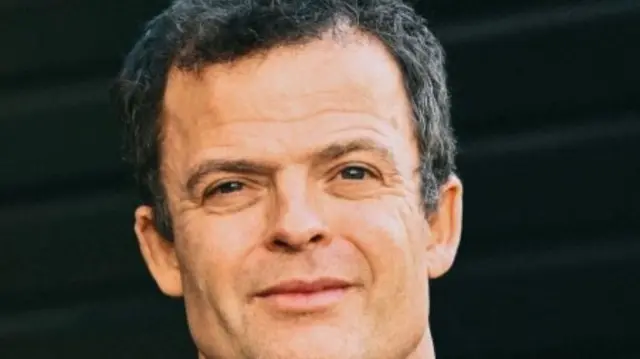
    Thomas Powles looks at the camera with a neutral expression and black backgroundImage source, Barts Cancer Institute

    I’ve just spoken to Oncology Prof Thomas Powles from the Barts Cancer Centre at the Queen Mary University of London, who says the recommendation on prostate cancer screening is the right decision.

    While he can see the advantages of early diagnosis, he says given “the noise, investigations and the potential morbidity associated with screening a whole population, the risk-benefit ratio is unclear to me”.

    He says unlike vaccines, there is not a clear benefit to screening.

    One of the main risks, as he sees it, is over-diagnosis. He says it could put patients through surgeries and radiotherapy, some of whom will not die of prostate cancer in the end.

    Although it's a common cancer, testing a whole population doesn’t seem justified, in his view.

  5. 'It's a poor decision,' man diagnosed with prostate cancer tells BBCpublished at 17:12 GMT 28 November 2025

    James Kelly
    BBC News

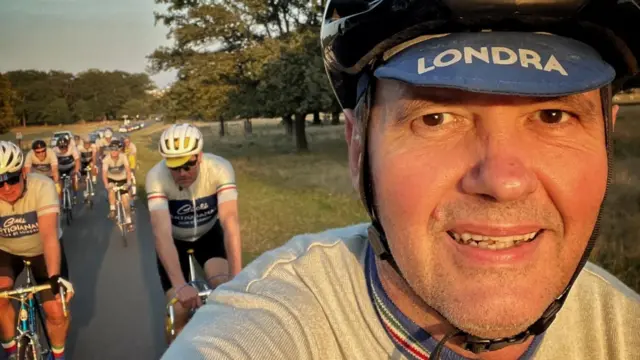
    Martin Casson takes of selfie while riding a bikeImage source, Martin Casson

    Martin Casson, 59, from Ealing, was diagnosed with prostate cancer in August last year after a routine health check.

    He says he disagrees with the decision not to test all men routinely, citing his own experience.

    "I am hugely thankful to the NHS but can’t help thinking would I still be unaware of the cancer growing inside me had I not gone for that routine health check."

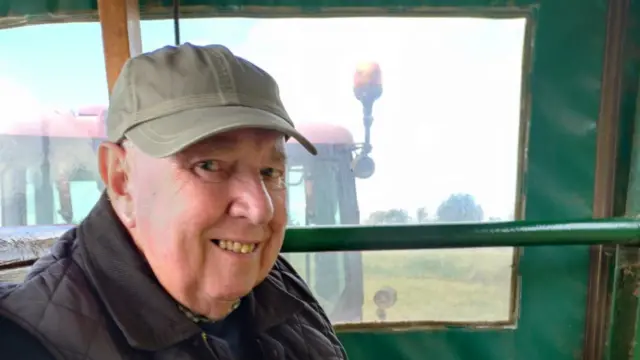
    George Jones looks to camera and smiles for the photoImage source, George Jones

    George Jones was 75 when he was diagnosed with prostate cancer.

    Now 82, the "proud Brummie" says he is glad he pushed his doctor to ensure further investigations were carried out after a PSA (prostate specific antigen) test indicated he may have the condition.

    "It's a poor decision," he says of today's draft recommendations.

    A red banner with the words ‘Your Voice’ written in white with a lighter red graphic paintbrush effect behind it
  6. Prostate cancer screening advice by UK NSC divides opinion - a recappublished at 17:00 GMT 28 November 2025

    A doctor wearing a white coat and a blue stethoscope, holding a clipboard and pen, is talking to a male patient wearing blackImage source, Getty Images

    If you're just joining us, there's been a lot to take in from today's prostate cancer testing recommendation by the UK National Screening Committee - including some sharp responses.

    Here's a quick recap:

    • In short, the panel recommends only men with BRCA1 and BRCA2 gene mutations, aged between 45 and 61, should be offered regular testing - every two years
    • It does not recommend screening targeted at black men, despite them having twice the risk of getting prostate cancer. It says this is due to “uncertainties in the data", but it will work with a clinical trial to "resolve these as soon as possible"
    • The report follows a high-profile campaign for targeted screening programme aimed at groups at risk of getting prostate cancer. About 55,000 new cases are diagnosed in the UK each year
    • Health Secretary Wes Streeting says he will examine the arguments for and against mass screening ahead of a final decision in March
    • While some clinicians and charity Cancer Research UK have supported the report, former Prime Ministers Rishi Sunak and David Cameron, Olympic cycling champion Chris Hoy, and actor Stephen Fry are among those to have criticised the recommendation
  7. 'Bitterly disappointed' but determined to 'keep fighting' - celebrities speak out after screening advicepublished at 16:52 GMT 28 November 2025

    We've been hearing from more high-profile figures who have been expressing their disappointment following the UK National Screening Committee's recommendations.

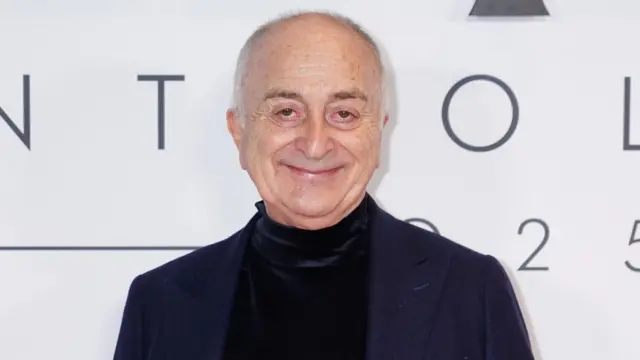
    Actor and broadcaster Tony Robinson, who starred as Baldrick in Blackadder, first spoke about his prostate cancer diagnosis in 2023. Commenting on today's developments, he says he is "bitterly disappointed".

    "I was lucky I found my cancer early, but nearly 10,000 men a year are diagnosed too late for a cure and that's just not right," he says.

    Actor Tony RobinsonImage source, PA Media

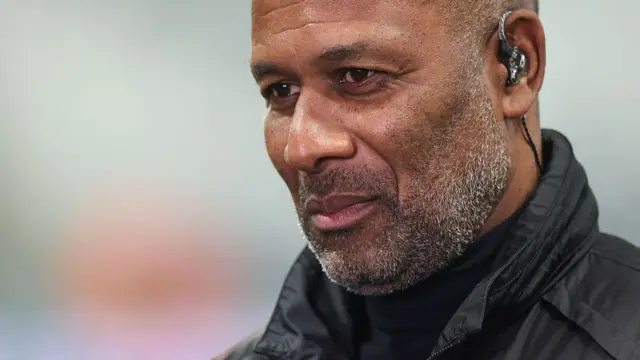
    Former professional footballer Les Ferdinand, whose grandfather died from the disease, points out that black men are at "double the risk" and "twice as likely to die".

    "Something has to be done," he says.

    "It's unacceptable that outdated guidelines mean GPs can't talk to black men about their risk despite it being so high," he adds.

    Former Newcastle United striker Les FerdinandImage source, Getty Images

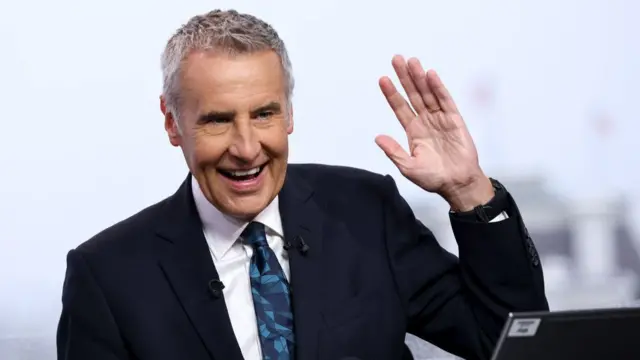
    Journalist Dermot Murnaghan, who has previously worked for ITV, the BBC and Sky News, says he "thought we were heading to an exciting moment". It felt "about time progress was made for men", he adds.

    Now he is left with "disappointment" but says he will "keep fighting until we start to turn the tide on prostate cancer".

    Finding out he had the disease was "devastating", Murnaghan says, but it has "emboldened" him to "do his bit" in encouraging other men to get checked out early.

    Journalist Dermot MurnaghanImage source, Getty Images
  8. Lives saved... but at what cost?published at 16:41 GMT 28 November 2025

    James Gallagher
    Health and science correspondent

    Some numbers have been crunched by Cancer Research UK, using the latest data from the UK National Screening Committee.

    They calculate that if you test 1,000 men aged 50 to 60:

    • Twenty-eight: Would be diagnosed with prostate cancer
    • Two: Lives would be saved
    • Twenty: Would be "over-diagnosed" meaning a slow-growing tumour that doesn't need treating would be found
    • Twelve: Men are then likely to have treatment like surgery or radiotherapy that doesn't benefit them, but comes with harms potentially including being unable to control your bladder or maintain an erection
  9. Harms of diagnosing and treating outweigh benefits, expert sayspublished at 16:35 GMT 28 November 2025

    Jake Lapham
    Live reporter

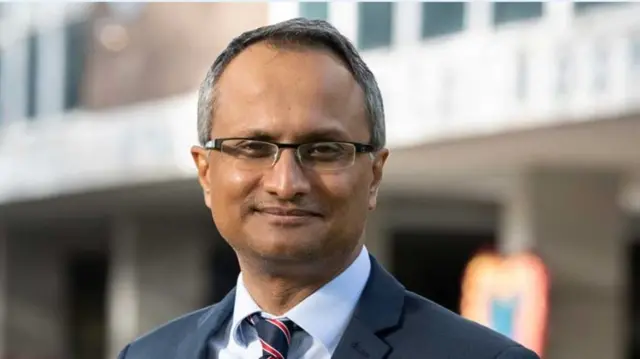
    Dr Hashim Ahmed wears glasses and a suit smilingImage source, NHS

    Prof Hashim Ahmed, chair of urology at Imperial College London, backs the UK NSC's recommendations, saying its a “solid piece of work” based on evidence.

    While he acknowledges some men and advocates will be disappointed at the recommendation not to screen the general population and some at-risk groups, he says its the right decision.

    “There is a small benefit… but the harms of diagnosing, testing and treating very much outweigh those benefits,” he tells me.

    Prostate cancer treatment can leave men incontinent (unable to control your bladder) and impotent (unable to have an erection), which Prof Ahmed says can “impact on quality of life significantly”.

    This is especially relevant when we don’t know whether they benefit from that treatment, he says.

  10. Analysis

    Much of the debate has focused on screening high-risk groupspublished at 16:28 GMT 28 November 2025

    James Gallagher
    Health and science correspondent

    It would have been a surprise if a prostate screening programme was recommended for all men because of long-standing concerns about the risks of harming men who have cancers that would never affect their lives.

    The scientific nuance has been about the high-risk groups.

    The committee says those with BRCA variants are set to be screened, as their cancers are more aggressive and more likely to need treating.

    But it says there is not the evidence to support screening in the two other high-risk groups: those with prostate cancer running through their family and black men who are at twice the risk.

    Results out of the huge Transform trial, which is now under way, are expected to fill those gaps in the evidence.

  11. Advice against screening for most men 'will be a blow to thousands' - Prostate Cancer UKpublished at 16:20 GMT 28 November 2025

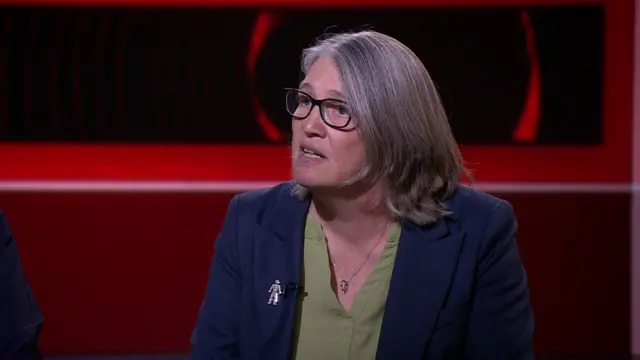
    Laura Kerby, who has a shoulder-length greying bob and wears a prostate cancer brooch on her lapel, in the BBC studio

    The CEO of Prostate Cancer UK, a charity that has campaigned for prostate cancer screening for all men, has acknowledged that the evidence presented today shows "quite clearly" that the benefits do not "outweigh the harms of over-treatment".

    "Prostate Cancer UK are deeply disappointed with the fact that the evidence isn’t there to tip screening, the benefits still being outweighed by the harms," Laura Kerby tells BBC News.

    She adds that the news about the UK National Screening Committee (NSC) advising against routine prostate cancer screening for the majority of men "will be a blow to thousands".

    But Kerby says that as the UK NSC are "the experts", Prostate Cancer UK "respect the process that they’ve run and the draft recommendation that they’ve made".

  12. 'Is cost the real reason for not recommending screening?'published at 16:10 GMT 28 November 2025

    James Kelly
    Your Voice Your BBC News

    A man wearing grey glasses with trees and buildings behind himImage source, UCG
    Image caption,

    Brian Johnson from Bridport

    Brian Johnson was diagnosed with prostate cancer in 2018, despite showing no symptoms after his GP sent him for a prostate specific antigen (PSA) blood test.

    After an MRI scan and biopsies, Brian had his prostate removed, which he says led to unfortunate side effects.

    The 73-year-old, from Bridport in England, tells the BBC he feels like "one of the lucky ones" but he wonders whether being screened earlier would have led to a better outcome for him.

    Brian said: "I'm aware MRI scans of the prostate cost in the region of £500 plus. Is the cost the real reason for not recommending a screening programme?"

    Like Brian, Martin Budgett, 62, from Cumbria, also experienced no symptoms before he was diagnosed with stage four prostate cancer in October 2023 after requesting a PSA test.

    Responding to the National Screening Committee's recommendations on prostate screening, Brian says: "This is simply around finance."

    "Note PSA levels between three and 10 and monitor annually. Act on anything above. Simple. It's infuriating! Do any of these experts have prostate cancer?", he added.

    For context: The UK National Screening Committee says there are concerns that mass testing could cause more harm than good in its report

    A red banner showing your voice, your BBC news
  13. UK NSC's recommendation is 'far too targeted', former PM Cameron sayspublished at 16:07 GMT 28 November 2025

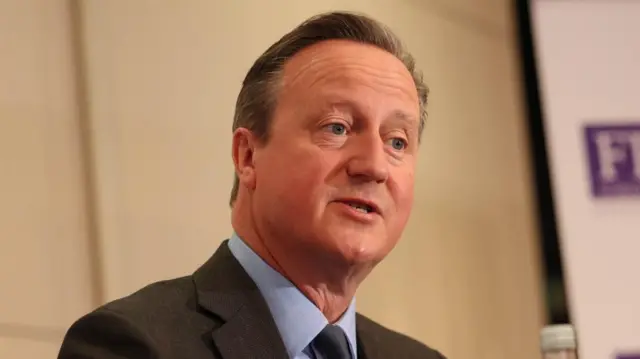
    Former Prime Minister David Cameron wears a dark suit and blue shirt while speaking during an eventImage source, EPA

    Former UK Prime Minister David Cameron, who was treated for prostate cancer earlier this year, says he is “disappointed” by the UK National Screening Committee's report today.

    Lord Cameron says the recommendations are “far too targeted” and failed to include black men or men with a family history, which are “both high-risk groups”.

    “We are letting down too many men if we don’t push for a wider screening programme that includes all high-risk groups - and not just the men involved, but their families too, who risk losing a loved one unnecessarily," Cameron adds.

    Cameron urges Health Secretary Wes Streeting and the UK government "to be brave and bold" by putting in place a targeted screening program.

  14. National screening programmes are rare, UK NSC sayspublished at 16:03 GMT 28 November 2025

    The UK National Screening Committee also says in its report that "organised national programmes are rare", which it adds "may reflect a shared concern".

    Lithuania appears to be the only country to offer early detection screenings for men aged 50 to 74 nationwide, the report says, but Sweden offers a "regional organised prostate cancer testing programme".

    The report adds that in the US, in 2012, a panel of experts advised against screenings after various trials failed to show that screening reduced prostate cancer mortality.

  15. The at-risk groups examined in the committee's reportpublished at 15:59 GMT 28 November 2025

    A man in a blue jacket looks at a doctor who is wearing glassesImage source, Getty Images

    The UK National Screening Committee also looked at the effectiveness of screening in relation to four separate groups in its report: all men, black men, men with a relevant family history, and men with a known gene variant that can increase risk.

    • Screening all men: According to the report, this would “only slightly reduce” the numbers of deaths, but would lead to many men receiving treatment for cancer that would have never caused them harm
    • Black men: Are twice as likely to get prostate cancer compared with white men. However, while the report states that screening black men could lead to a higher rate of diagnosis, it again concludes that this could lead to "over-diagnosis and over-treatment" in cases where it is not necessary
    • Men with a relevant family history: The report says men who have relatives that have been diagnosed with types of cancer, including prostate, breast, or ovarian, make up a third of all men in the UK. So it concludes that the potential benefits and risks of screening these individuals would be similar to screening the entire population
    • BRCA1 and BRCA2 gene mutations: However, for men with a confirmed confirmed BRCA 1 or 2 gene variant, who are more likely to develop "faster growing and aggressive cancers at an earlier age", the committee does recommend screening every two years, from age 45 to age 61
    • It argues that finding and treating these potentially more aggressive cancers earlier is likely to "improve outcomes and outweigh the potential harm from over-diagnosis", compared with other groups
  16. Screening can lead to over-diagnosis and unnecessary treatment - UK NSCpublished at 15:42 GMT 28 November 2025

    We can now bring you further information about the UK National Screening Committee panel's decision not to recommend blanket screening.

    The panel's report says the main screening test for prostate cancer is "not very reliable" and as a result, can lead to "over-diagnosis and unnecessary treatment".

    According to the committee, the main risks related to the prostrate-specific antigen (PSA) test are:

    • False positives: They say when PSA results incorrectly suggest cancer is present, consequent unnecessary tests, such as prostate biopsies, can cause pain and physical harm
    • Over-diagnosis: The UK NSC believes this can cause unnecessary worry for men who would never have otherwise known or had any side effects, and exposes them to unnecessary treatment
  17. Chris Hoy 'extremely disappointed' by recommendation against screening for all menpublished at 15:26 GMT 28 November 2025

    Chris Hoy, who has short blonde hair, smiles during a press conferenceImage source, PA Media

    Reaction is continuing to pour in.

    Six-time Olympic cycling champion Chris Hoy, who has terminal prostate cancer, says he's "extremely disappointed and saddened" by the UK National Screening Committee's recommendation against a screening programme for all men.

    He points out that more than 12,000 men die of prostate cancer each year in the UK, with black men and people with a family history of the disease particularly impacted.

    Quote Message

    I know first hand that by sharing my story, following my own diagnosis two years ago, many, many lives have been saved. Early screening and diagnosis saves lives."

    Hoy

    "I am determined to continue to use my platform to create awareness, encourage open discussion, raise vital funds for further research and support, and to campaign for change," he adds.

    Hoy also notes that the recommendation to introduce a targeted screening programme for men of a certain age with a confirmed BRCA gene mutation "is a very small step forward" but "it is not enough".

  18. 'Good news' on screening for those with BRCA variant - Cancer Research UKpublished at 15:23 GMT 28 November 2025

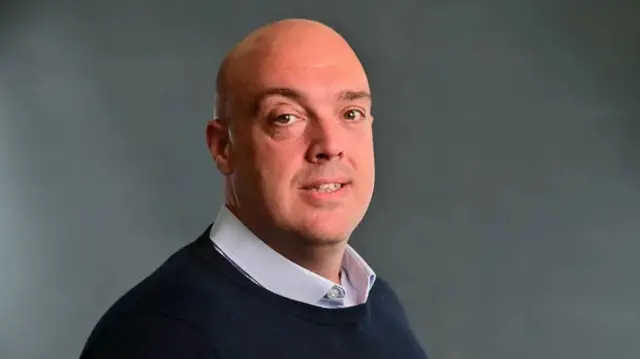
    Ian Walker looks at the camera in a studio wearing a navy sweaterImage source, Cancer Research UK

    Cancer Research UK says it supports the UK National Screening Committee's conclusions today.

    It comes as others express disappointment after the committee advised against routine prostate cancer screening. Only men with the BRCA1 and BRCA2 gene mutations are being recommended for regular testing.

    "We support the committee’s conclusion that for other groups of men, there isn’t currently enough high-quality evidence that screening would do more good than harm," says Ian Walker, executive director of policy at Cancer Research UK.

    He says screening can "miss dangerous cancers and detect ones that don’t need treatment".

    The charity describes the screening recommendations for those with BRCA genes as "good news", saying it will "save lives".

    Walker also says that Cancer Research UK will "continue to look for new and better ways" to improve detection, including funding clinical trials into prostate cancer.

  19. Health secretary 'examining evidence' on mass screening ahead of March decisionpublished at 15:18 GMT 28 November 2025

    Wes Streeting speaks to a reporter wearing a blue suitImage source, PA Media

    We've just seen a statement from Health Secretary Wes Streeting, in response to the committee's draft recommendations.

    Streeting says he will examine the arguments for and against mass screening for prostate cancer ahead of a final decision in March.

    “I have always said I want to see screening in place for the most common cancer in men, provided this is backed by evidence," he says.

    “I want to change the NHS so it diagnoses earlier and treats faster. That aim will be balanced against the harms that wider screening could cause to men," Streeting adds.

  20. Men with two genetic variants recommended for screeningpublished at 15:11 GMT 28 November 2025

    Philippa Roxby
    Health reporter

    A man wearing hospital gown is sat facing away from the cameraImage source, Getty Images

    Men with a confirmed variant or mutation of the BRCA1 or BRCA2 gene should be screened every two years from age 45 to 61, the committee has recommended.

    Men with this gene variant are more likely to develop faster-growing and aggressive cancers at a younger age, it says.

    Detecting these cancers earlier "is more likely to outweigh the potential harm from over-diagnosis or unnecessary treatment" than men in the general population or from other high-risk groups, the committee says.

    A genetic test is the only way for men to find out if they have the variant. Few men will know if they have it.

    So it's clear more BRCA testing will have to be carried out in future to pin down the three in 1,000 men thought to be carriers.

    Testing for the variant among women is much more common. For them, the variant significantly increases the risk of developing breast cancer and ovarian cancer.