Summary

  • Chancellor Rachel Reeves is set to outline principles behind how the government could help families if energy bills spiral in the coming months - watch live from 12:30 GMT

  • In a speech to the Commons on the growing economic impact of the US-Israel war with Iran, Reeves will indicate that she believes it wouldn't be fair or affordable to offer every household help, Chris Mason writes

  • The chancellor is also expected to focus on the UK's energy security, as well as a "new anti profiteering framework" with powers to tackle companies proved to be exploiting price rises to rip customers off

  • Typical household energy costs will fall on 1 April when the new energy price cap takes effect, but could rise sharply this summer due to a jump in oil prices since the start of the war

  • The price for a barrel of oil moved back above $100 this morning, after plunging on Monday - it's still substantially higher than it was before the war

  1. Why is support for energy bills on the agenda?published at 11:58 GMT

    Kevin Peachey
    Cost of living correspondent

    These are strange times - given that energy bills for millions of people are about to fall, but there is lots of talk about helping people to pay.

    Millions of people in England, Scotland and Wales have the price of each unit of gas and electricity governed by regulator Ofgem’s price cap.

    The next cap, kicking in at the start of April, was set before the Iran war. Hence, the fall of 7% on a typical bill.

    But the subsequent cap, starting in July, is now almost certain to be a big jump.

    Analysts at the energy consultancy Cornwall Insight has forecast that a dual-fuel household using a typical amount of gas and electricity would pay £1,973 a year, up from the current £1,641.

    That has prompted demands for targeted help from the government for those who would struggle the most, and perhaps are already behind on payments to their supplier.
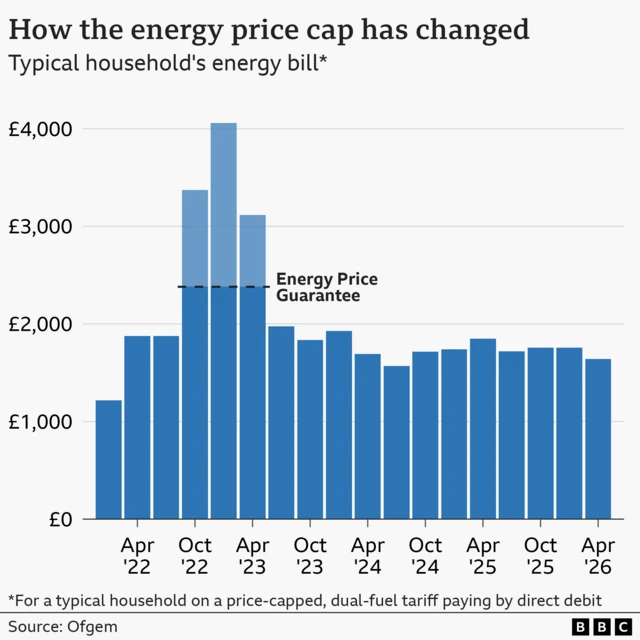

    A bar chart showing the energy price cap for a typical household on a price-capped, dual-fuel tariff paying by direct debit, from January 2022 to April 2026. The figure was £1,216 based on typical usage in January 2022. This rose to a high of £4,059 in January 2023, although the Energy Price Guarantee limited bills to £2,380 for a typical household between October 2022 and June 2023. Bills dropped £1,568 in July 2024, before rising slightly to £1,717 in October, £1,738 in January 2025, £1,849 from April, £1,720 from July, £1,755 from October, and £1,758 from January 2026. When the new price cap comes into force in April, it will be £1,641.
  2. Reeves to indicate it wouldn't be fair or affordable to offer every household helppublished at 11:49 GMT

    Chris Mason
    Political editor

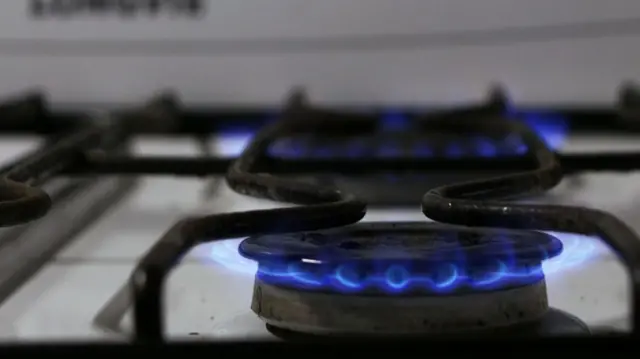
    A gas cooker is turned on, exposing the blue naked flame.Image source, Getty Images

    In the Commons later, the chancellor will focus on the domestic impact of the ongoing situation in the Middle East.

    I am told there will be three elements to her address to MPs, beginning with a short update on how the war is affecting the economy.

    There will also be a section on energy security, with a promise to crack on with delivering new nuclear power stations. The legislation to allow this to happen is expected later this year and will be set out in the King's Speech in May.

    What is described as "a new anti profiteering framework" will be set out too, which could give the regulator, the Competition and Markets Authority, new time limited and targeted powers to tackle companies proved to be exploiting price rises to rip customers off.

    Reeves will then talk about the principles that will drive any further support to families if energy bills spiral in the coming months.

    Given the energy price cap on gas and electricity is in place until the end of June, ministers have time to work out what might be feasible, affordable and necessary.

    The chancellor will indicate that she believes it wouldn't be fair or affordable, in all likelihood, to offer every household help.

    Another message we can expect to hear from ministers amounts to, as one figure put it to me, "going gangbusters on renewables and nuclear".

    With the Conservatives, Reform UK and some Labour MPs calling for new drilling for oil and gas to be authorised in the North Sea, the Energy Secretary Ed Miliband told a meeting of Labour backbenchers last night: "Anyone who tells you that new licences in the North Sea will make any difference to price is not telling you the truth. Because gas is bought and sold on the international market and the price is set there."

  3. Chancellor to outline approach for possible energy bill support after oil price risepublished at 11:47 GMT

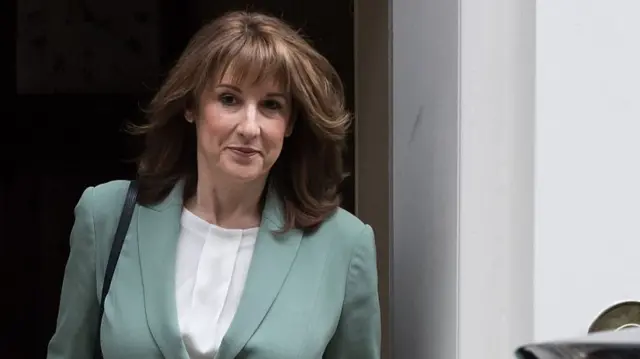
    Rachel Reeves is wearing a turquoise suit with a white shirt underneath.Image source, Getty Images

    Chancellor Rachel Reeves is due to speak in the Commons shortly, addressing the domestic economic impact of the ongoing US-Israel war with Iran.

    It's expected she'll lay out the government's strategy for support for families if energy bills rise in the coming months.

    While typical household energy bills will fall on 1 April when the new energy price cap takes effect, the cost could rise sharply this summer due to a jump in oil prices since the start of the war.

    The price for a barrel of oil moved above $100 again this morning after a brief reprieve. That figure is still substantially higher than it was before the war

    We expect Reeves to speak from the Commons around 12:30 GMT - you'll be able to watch live at the top of the page.