How Spain looked on as dozens were crushed to death at its border

WARNING: This article contains disturbing images
At dawn on 24 June, a large group of African migrants surged towards a border fence separating Morocco from the tiny Spanish enclave of Melilla.
In the hours-long chaos, many of the migrants were beaten, and crushed between an 8m-high (26 feet) fence and Moroccan border guards, who deployed batons and tear gas. Videos circulated online show dozens of people packed in one area of the border post, some lying motionless, some bleeding, others visibly in distress.
At least 24 migrants died, but the death toll is believed to be higher as more than 70 people are missing. What happened that day at the heavily fortified border crossing known as Barrio Chino - a gateway into Europe?
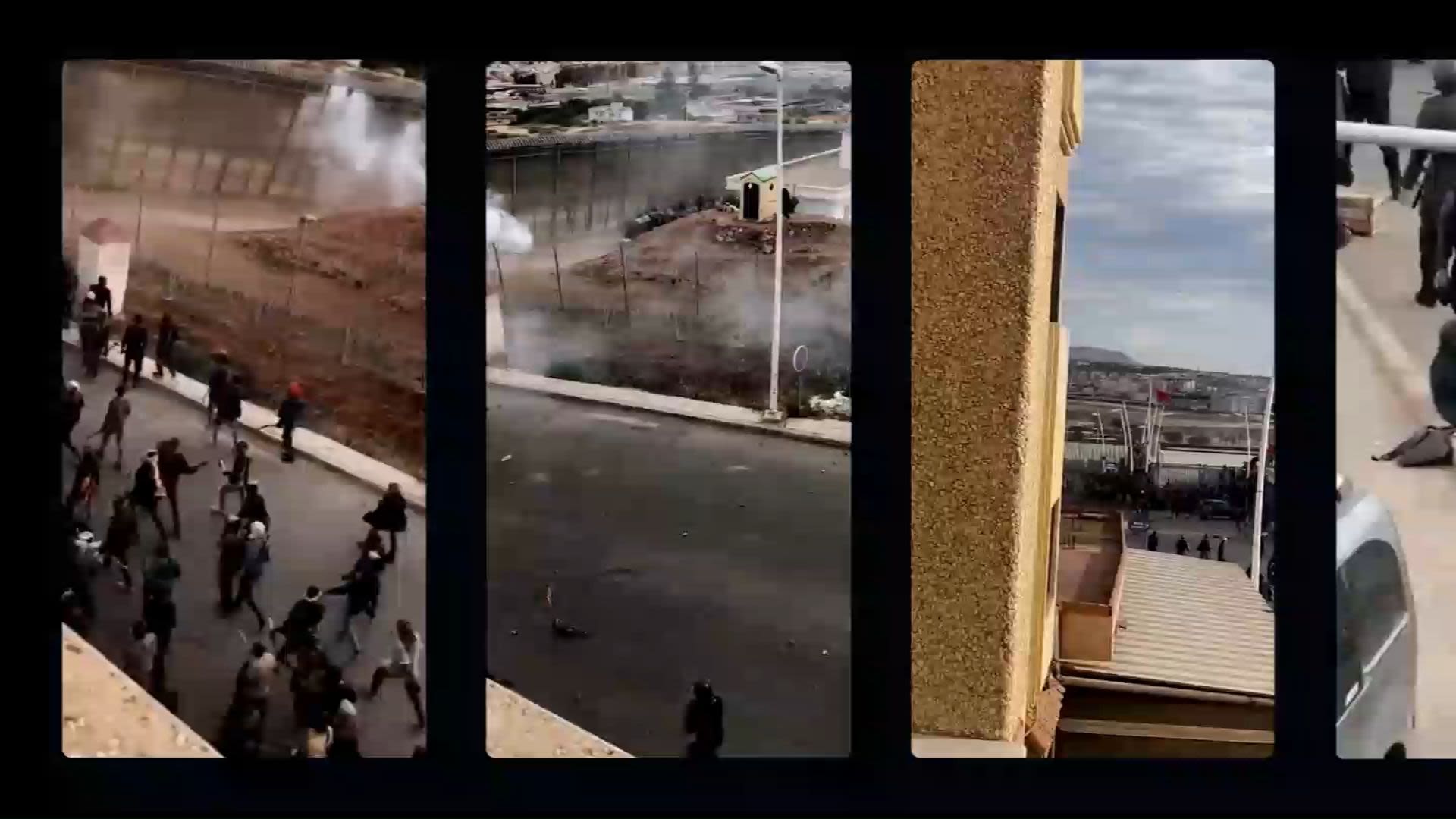
Footage filmed on 24 June 2022 as African migrants tried to cross into Spanish territory from Morocco
Footage filmed on 24 June 2022 as African migrants tried to cross into Spanish territory from Morocco
In the days after the incident, Spanish and Moroccan authorities defended their actions, saying the migrants had been violent, and reasonable force had been used.
But a BBC investigation has uncovered new details about the events, raising questions about the official versions.
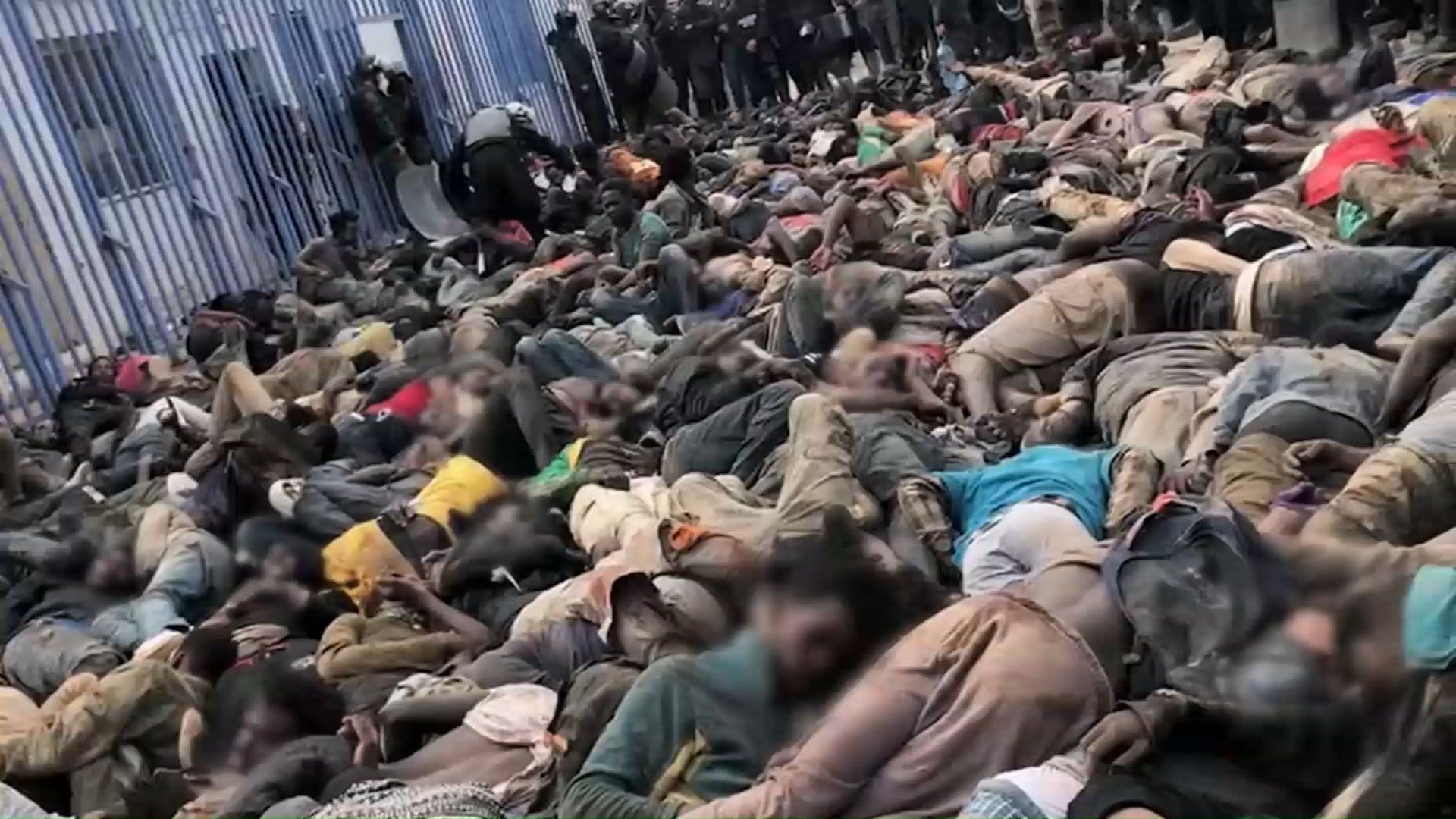
The migrants - some injured and dying - were made to lie on the ground for several hours on the Moroccan side of the border
The migrants - some injured and dying - were made to lie on the ground for several hours on the Moroccan side of the border
We can reveal that:
- Lifeless bodies were dragged by Moroccan police from an area the BBC was told was Spanish-controlled
- The Spanish Ministry of the Interior has been accused of withholding crucial CCTVevidence from formal investigations
- Law enforcement officers fired rubber bullets at close range into a group of migrants on the Spanish side of the border crossing
- More than 450 people who made it into the Spanish enclave to claim asylum were detained and pushed back to Morocco - some claim they were then beaten unconscious by Moroccan border guards
- Moroccan police entered Spanish land to take migrants back, and some migrants were beaten while Spanish border guards watched on
- Spanish authorities were aware the African migrants were coming to the crossing in large numbers
The BBC uses the term migrant to refer to all people on the move who have yet to complete the legal process of claiming asylum.

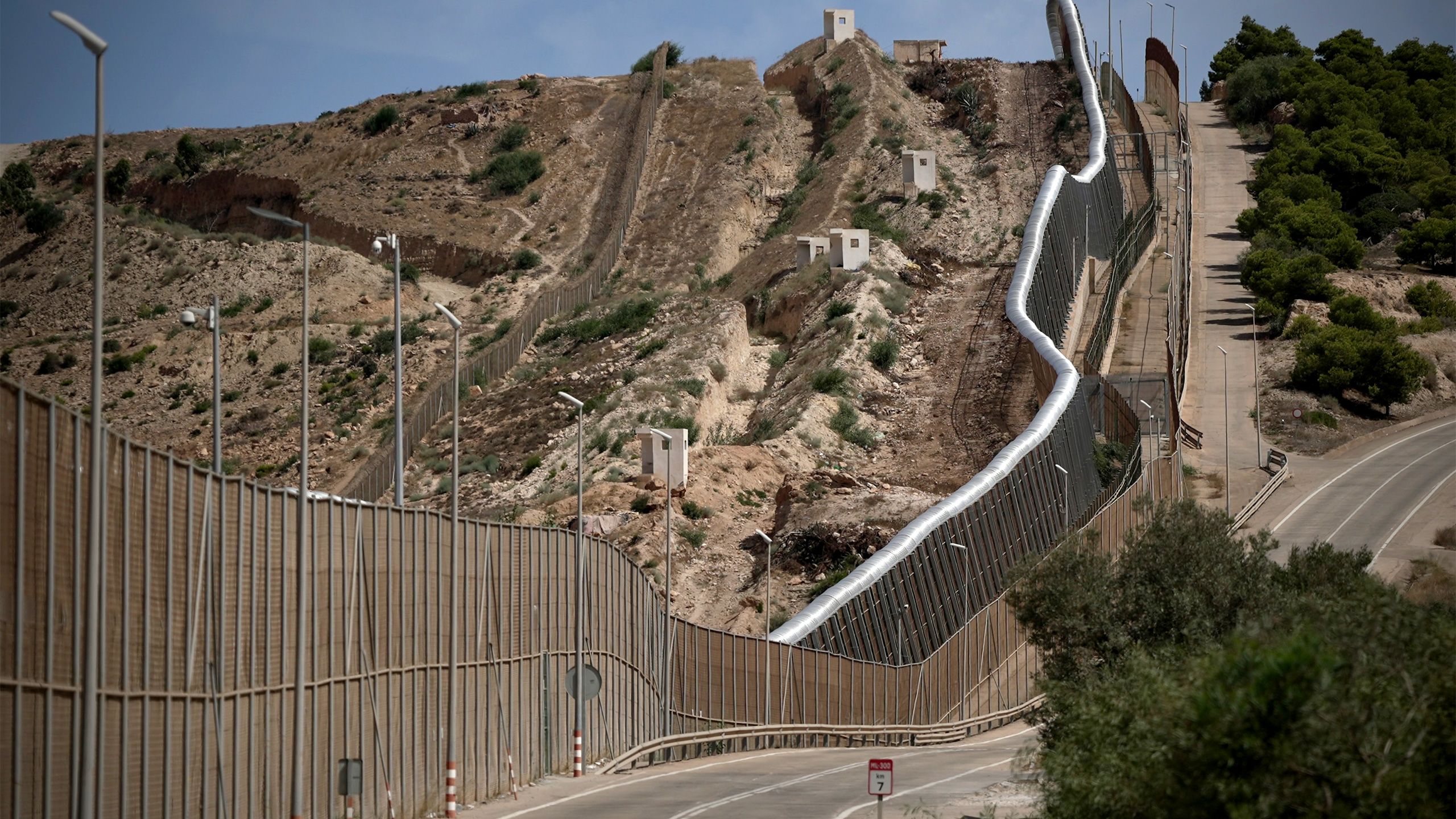
The BBC’s Africa Eye team trawled through dozens of videos to try to build the most comprehensive picture yet of how the deadly incident unfolded. A BBC team also gained exclusive access to the border complex Barrio Chino, allowing us to compare video footage with what we found inside.
We also went into the Spanish Guardia Civil CCTV control room, where cameras trained on the border fence are monitored on giant screens. This means Spanish officials were likely to have seen a lot of what happened that day.


A BBC News investigation.
Watch now on BBC iPlayer (UK Only)


We wanted to find out why such violence was used and ask if more could have been done to prevent the loss of life.
To build a full picture, we have also spoken to dozens of survivors.
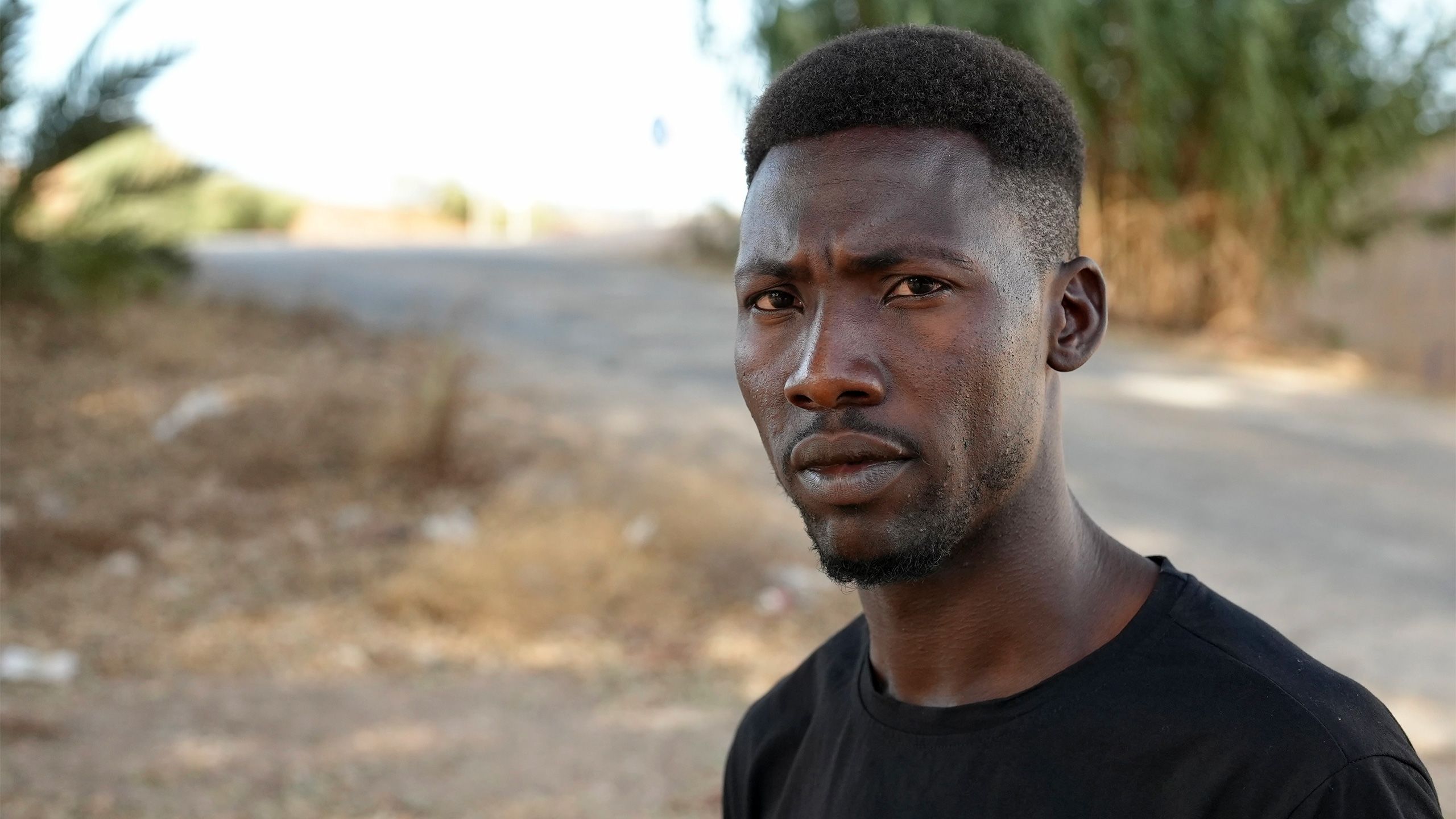
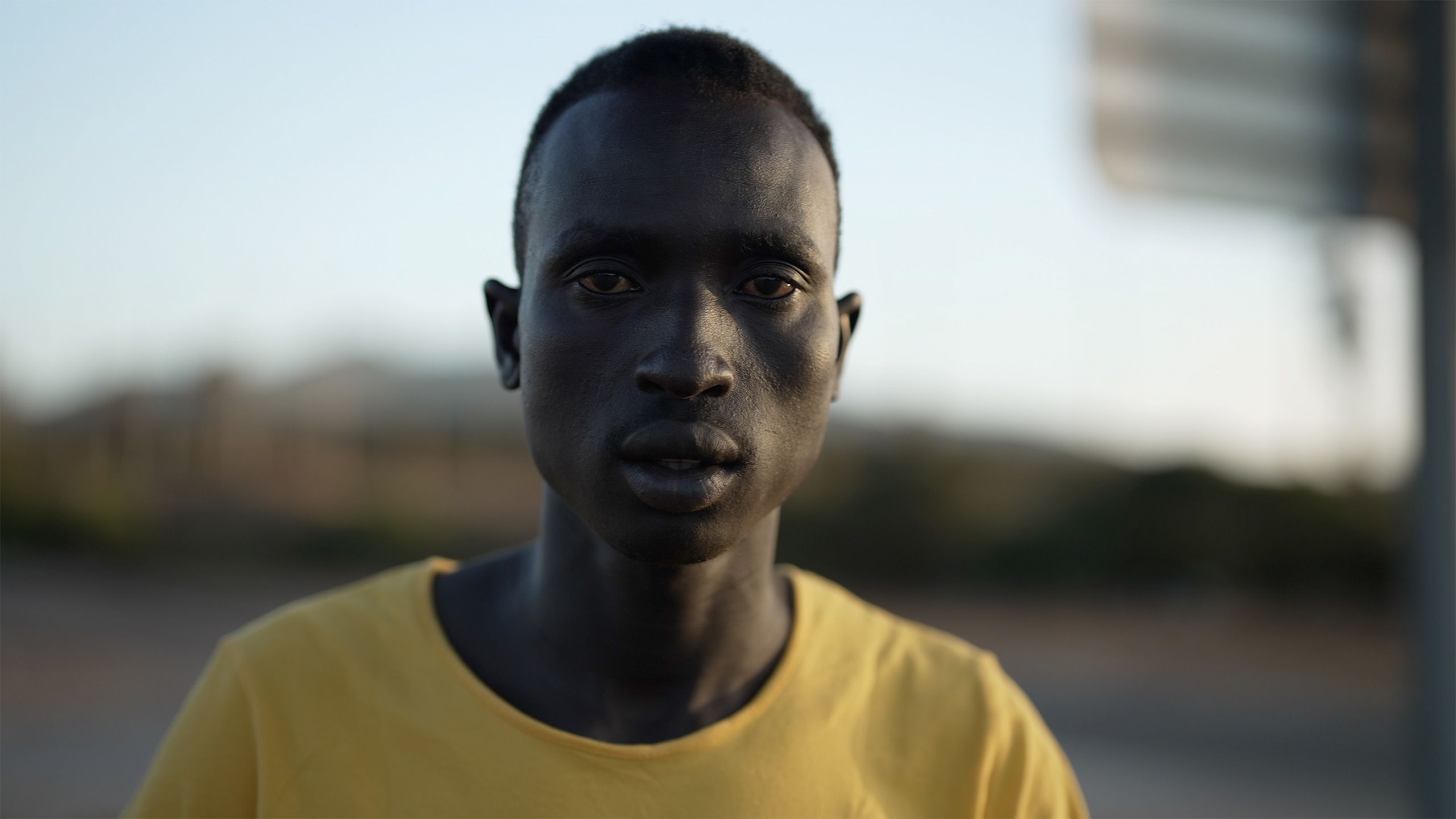
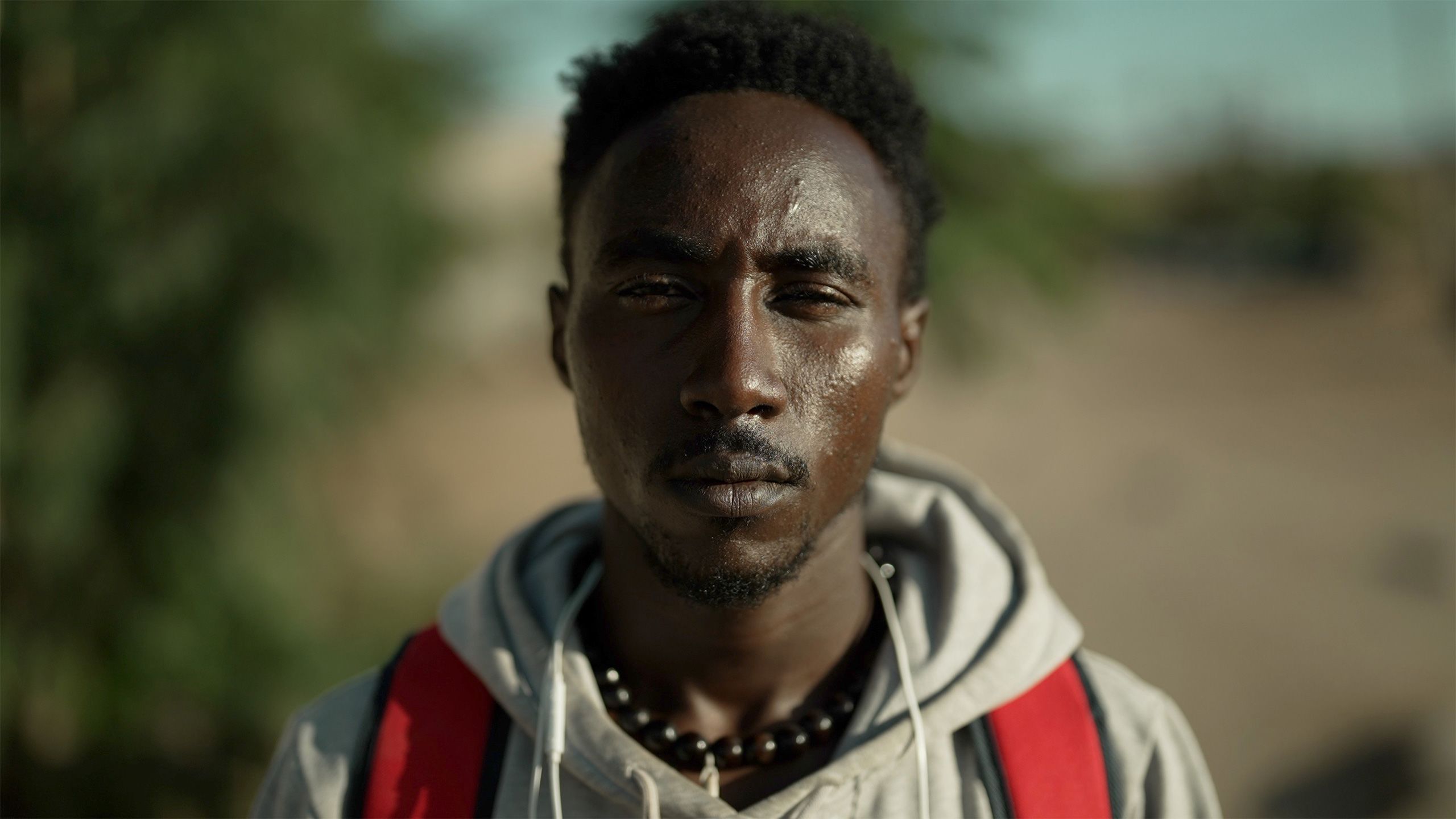
Hassan, Ismail, Stephen and Mohammed (Mo) say they fled conflict in Sudan and South Sudan, travelling thousands of miles through Libya and Algeria to reach Morocco in the hope of making it to Europe to claim asylum.

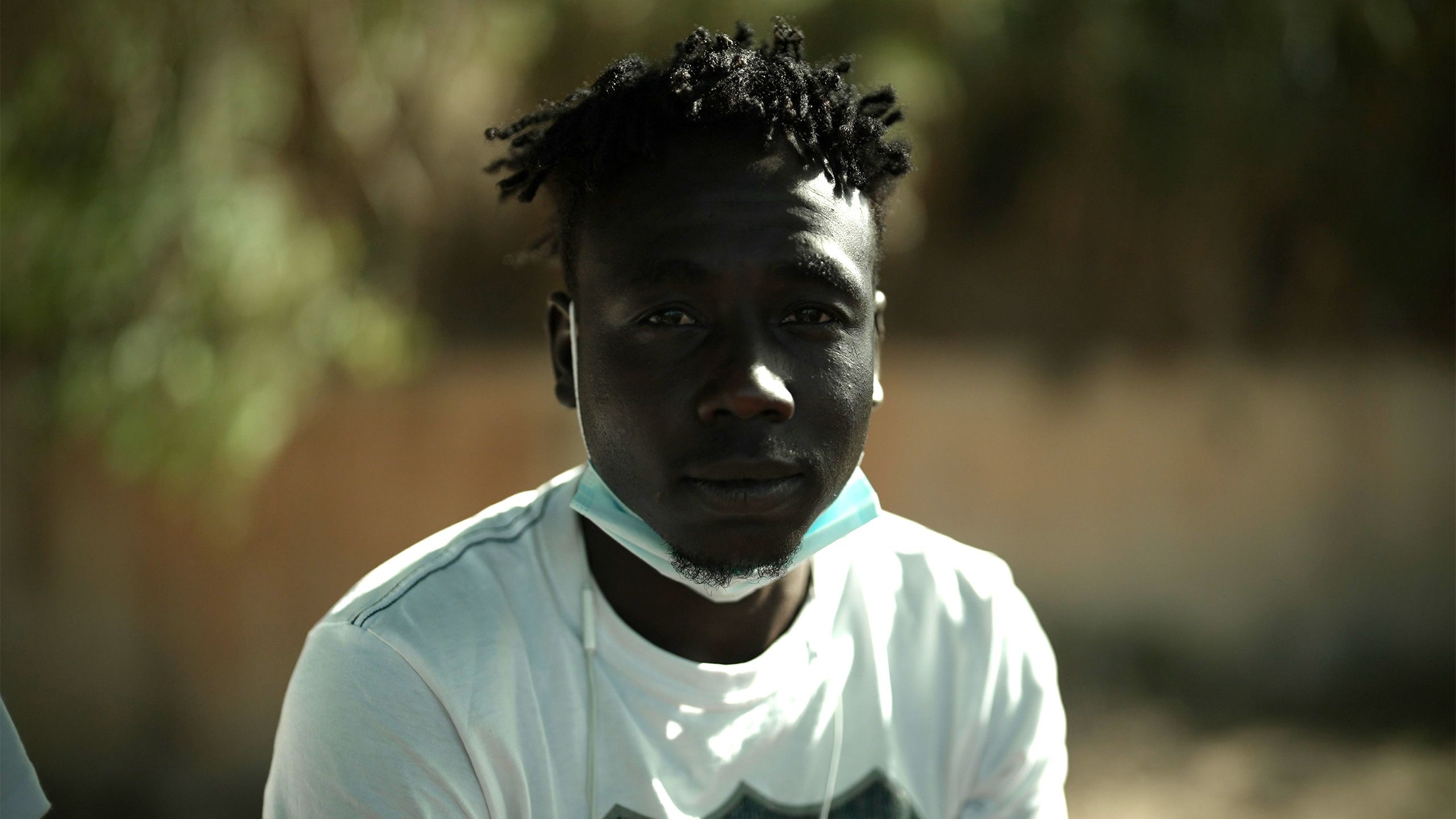




Hassan
Hassan
Ismail
Ismail
Stephen
Stephen
Mohammed
Mohammed
Hassan
Hassan
Ismail
Ismail
Stephen
Stephen
Mohammed
Mohammed
Stephen, who told us he was beaten by Moroccan border guards, said he wants to know why so many people died that day.
"Sometimes when I remember this, I cry a lot. I will never forget what happened to us.”
The journey

To make sense of what happened, we need to move away from the border and into the mountains of Morocco, where large groups of African migrants had set up camp.
Barrio Chino is part of an established migrant route for those looking to enter Spain and claim asylum. There seems to be a significant difference between how Moroccan border guards responded to this attempt on 24 June compared with previous attempts. Omar Naji, a Moroccan human rights activist, says that there were three crossings in March - of 2,500 migrants in total - which didn’t result in any fatalities.
“The groups were bigger and they came down from the forest without any problems and nobody died,” he told the BBC.
“The only difference between March and June is that relations between Spain and Morocco were broken down in March, and in crisis, while in June, relations were restored - and on June 24 they confronted them with all this violence and tear gas.”
Eyewitnesses told us the camps in the mountains were attacked by Moroccan police on 23 June, and the migrants ordered to leave.
Videos show clashes with police.
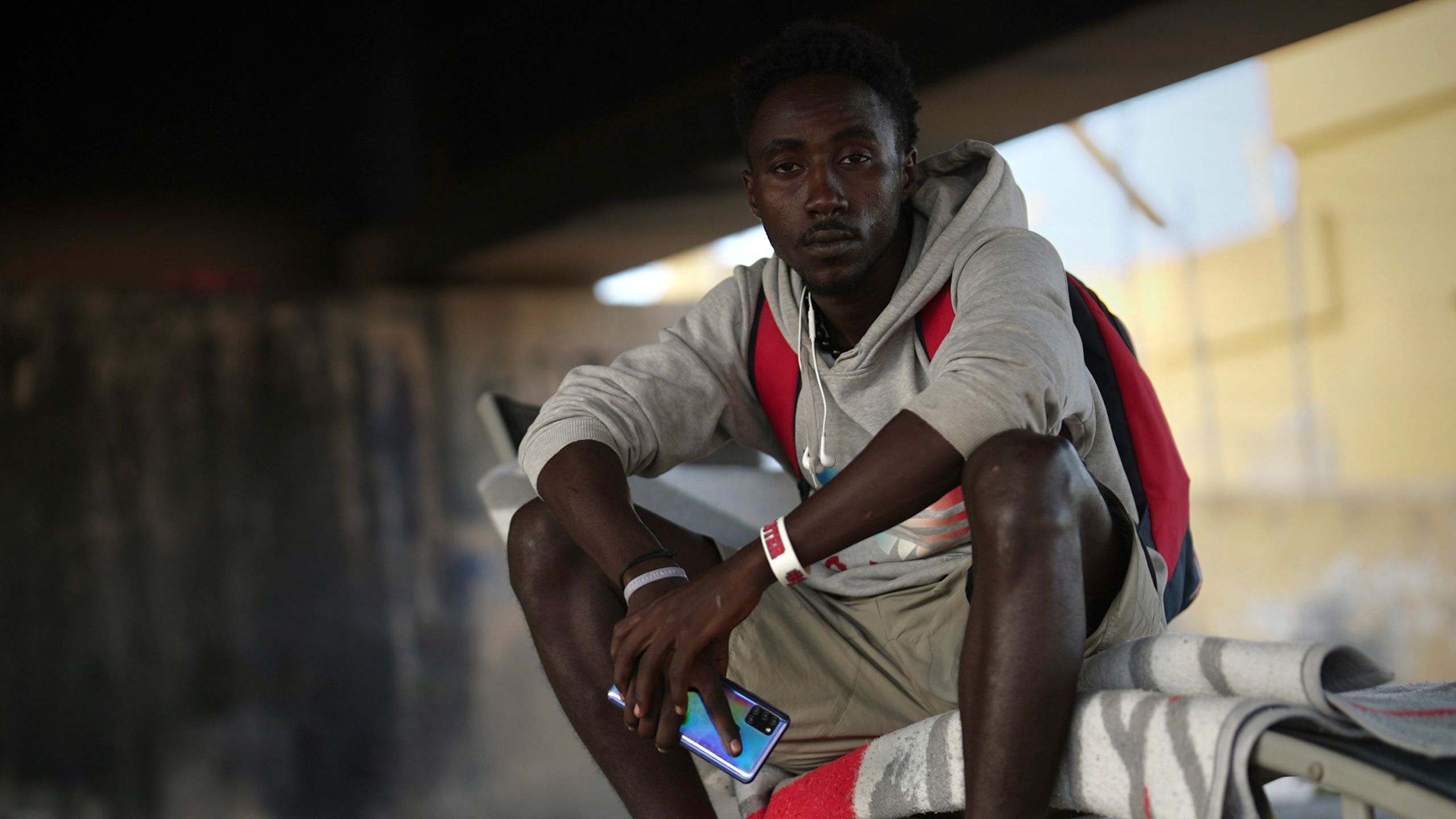
The BBC spoke to several migrants who are still stuck in Morocco. We are not naming them for their own safety.
“They sent people to tell us that we needed to leave the area within 24 hours. Otherwise, they said they would be allowed to use real bullets to shoot us. So that night, we decided to go down to the fence.”
Ismail told us after the clashes, his group headed to Barrio Chino.
The earliest video from the morning of the 24th shows the migrants taking this route towards the border.
At this point, there appears to be no attempt to intervene by Moroccan security forces.
There are police vans parked between the approaching migrants and the border fence. But in this video, you can see the police driving away as the crowd starts to get close.
Eyewitnesses told us the camps in the mountains were attacked by Moroccan police on 23 June, and the migrants ordered to leave.
Videos show clashes with police.
The BBC spoke to several migrants who are still stuck in Morocco. We are not naming them for their own safety.
“They sent people to tell us that we needed to leave the area within 24 hours. Otherwise, they said they would be allowed to use real bullets to shoot us. So that night, we decided to go down to the fence.”
Ismail told us after the initial clashes, his group headed to Barrio Chino.
The earliest video from the morning of the 24th shows the migrants taking this route towards the border.
At this point, there appears to be no attempt to intervene by Moroccan security forces.
There are police vans parked between the approaching migrants and the border fence. But in this video, you can see the police driving away as the crowd starts to get close.
Bystanders filmed the migrants as they neared the border fence. The migrants are seen holding sticks. Moroccan authorities said they were armed with “sticks, stones and sharp objects”. The migrants say they carried them to help scale the three fences that separate Morocco from Melilla.
The situation soon became very chaotic but videos of the day give us important details of the response of the Moroccan security forces.
The first group of migrants - comprising hundreds of people - approached a gate at the corner of one of the border fences, but security forces kept them moving to the Barrio Chino border crossing with a barrage of tear gas, rocks and smoke bombs thrown from just metres away.
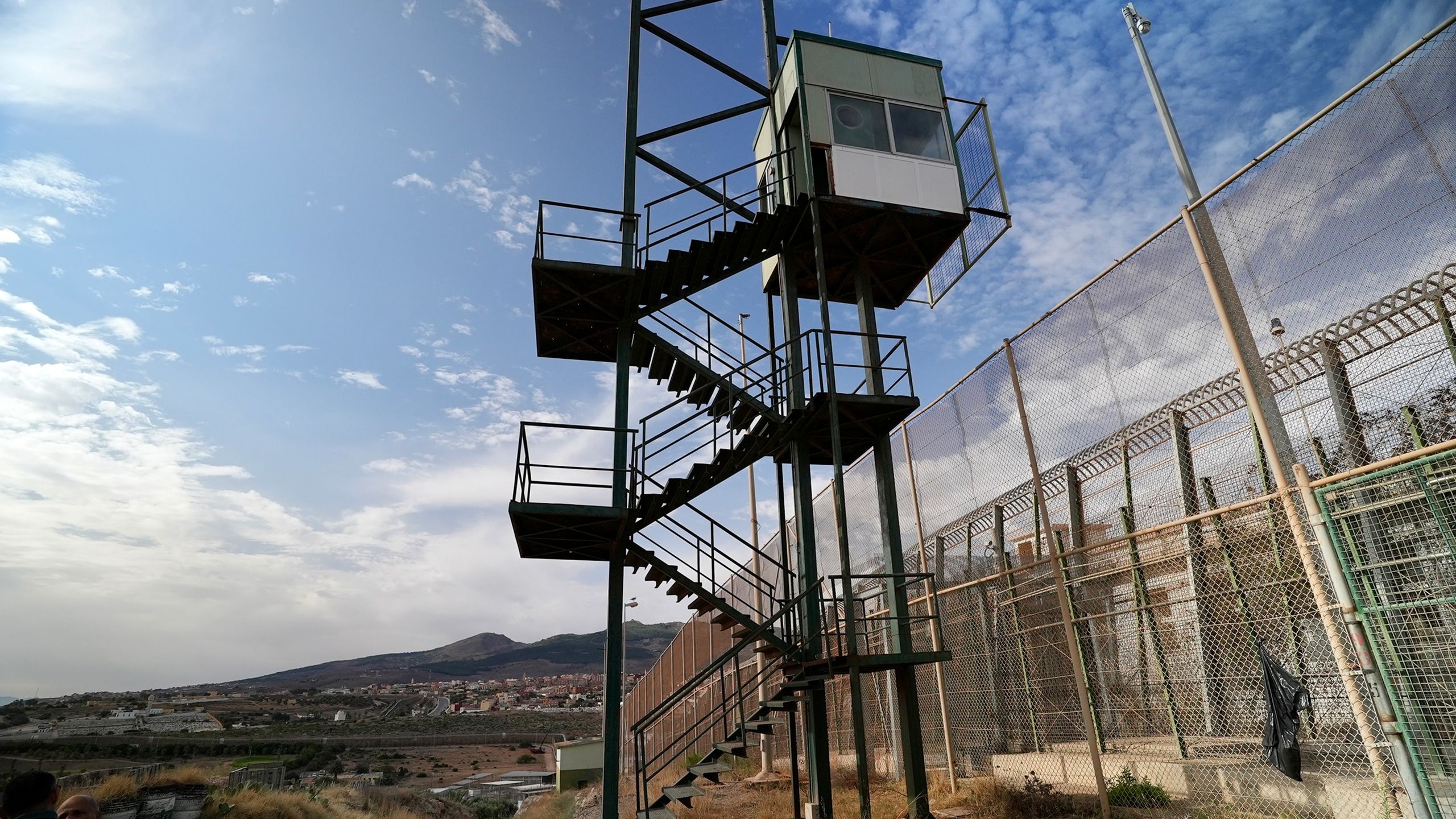
Barrio Chino is a large structure that feels and looks like part of an old football stadium terrace. On one side there is the Spanish entrance leading to secure turnstiles and a metal fence. This looks out to a courtyard - a place the Spanish Guardia Civil refer to as no man's land. Again, this is enclosed with metal fencing. On the far side, is the Moroccan entrance.
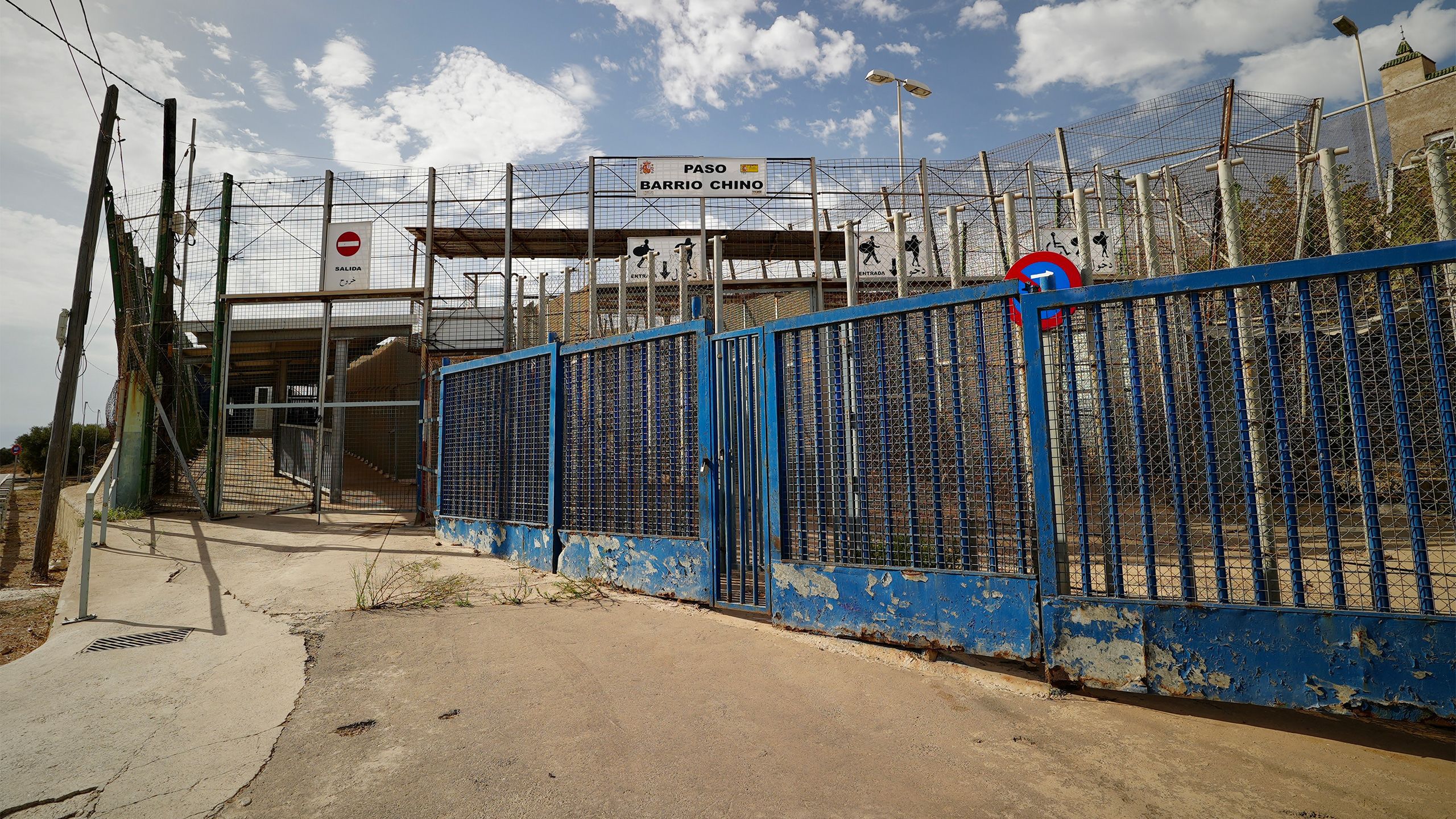
Video footage from the day shows how the migrants were approached by Moroccan security forces from both sides of the street outside Barrio Chino.
Another video shows large numbers of people starting to climb the outside fence that protects the border complex. At one point, the weight becomes too much and the fence collapses.
Several migrants told us that, by the time they reached the border crossing they were blocked in on either side by Moroccan police.
They said they felt they had only one place to go, and that was into Barrio Chino. The gate was locked but they broke it open.
“They attacked us from behind and they started firing tear gas,” says Mo. “They started throwing rocks, and [firing] rubber bullets. So many of our friends fell. If they [the guards] catch you, they're going to beat you in your head, in every place.”
A large group became stuck in the enclosed courtyard - or no man’s land.
Videos show Moroccan security forces throwing tear gas and smoke bombs into the space.
Other images also show security forces gathered outside Barrio Chino in their hundreds. For those migrants inside, there was no retreat.
This panorama gives us a clear view of the courtyard, which had now become the focus of intense violence.
As this video pans across, we get a detailed view inside the border post.
If you look closely, you can see white helmets worn by Moroccan security forces in the courtyard - they have followed the migrants into the area and there are violent encounters.
In the background, migrants are climbing over another fence to enter Spain.
Stephen was among those inside no man’s land. “They beat us,” he says. “We needed to enter [the Spanish side], but they didn’t want us to - they wanted us to die.” Another migrant told us: “The gates were closed and the security forces kept attacking us. They had got us inside and they knew we were trapped.”
Stephen says they felt trapped in the courtyard, and that some had difficulty breathing because of the tear gas. He says he believed there to be more than 700 people inside.
Stephen, Ismail and Mo told us they had been shocked by the levels of resistance they faced inside the courtyard.
The guards treated them “like animals”, Mo said. “They started to beat [us]. They didn’t care if the blood was on your head or in your mouth or anywhere in your body.”

In some of the videos, too graphic to show, we saw lifeless bodies being tossed around and people bleeding and in agony.
“My friends were dead,” says Mo. “There was blood everywhere and people were naked. It was horrible - like a war. I was thinking why do they attack us? I don’t want to hurt anyone, we just want to reach the other side, we are trying to find a safe life.”
Hassan said the scene in the courtyard had been “like hell”, while Stephen described what it had been like facing the tear gas and stones. “The sound is like 'boom'. You never see anything, you see the blood, everything is blood, you never see anything.”
Many of those who didn’t manage to get out by scaling the fence were detained inside Barrio Chino. Hundreds more were kept on the ground on the Moroccan side of the fence, with the injured and the dead lying among them. They remained there for several hours, seemingly without medical care. One of the migrants told us: “The ambulance arrived late, they could have helped the injured but the security forces stopped the medics from helping us or treating our injuries.”
Twenty four migrants are known to have died in the clashes, and the BBC has been told that the fate of 77 others are unknown.
Barrio Chino

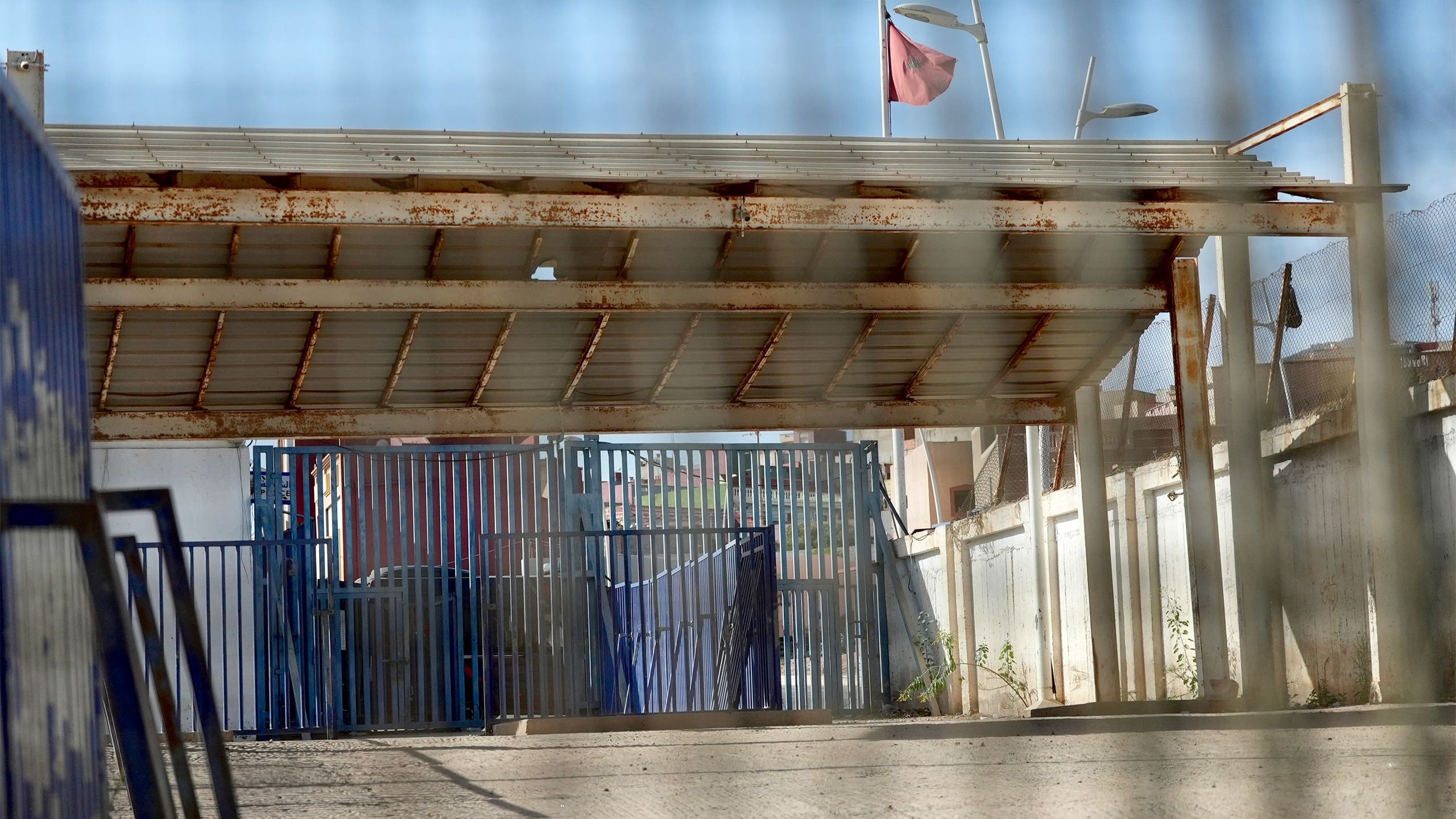
Could more have been done to save lives? And what role did the Spanish authorities play that day as this chaos unfolded in front of them?
In September, Spain’s interior ministerFernando Grande-Marlaska was questioned in parliament about Spain’s role in the events of 24 June. He insisted the deaths had not taken place on Spanish soil.
“The events took place in the national territory of a sovereign country and only in a very tangential way did it take place in Spain,” he said.
The BBC was taken into Barrio Chino from the Spanish-controlled side by Spain’s Guardia Civil - the first journalists to visit since 24 June.
Once through the gate, we were told by the Guardia Civil that the area we were standing in, looking into the so-called no man’s land, was Spanish-controlled.
We were then able to compare this area to video footage from the day. We could see dead bodies on film in the area we had now been told was Spanish-controlled. This raises new questions of accountability.
We focused on two areas of Barrio Chino.
The courtyard known as no man’s land.
And the entrance on the Spanish-controlled side.
At some point, this area had become so crowded, that people panicked and there was a stampede.
This disturbing video shows the extent of that crush. You can see the gate on the Spanish side appears to have been forced open and the migrants are piled up against each other on the floor in distress. Some are pleading for help.
In one image there are three lifeless bodies slumped against the gate.

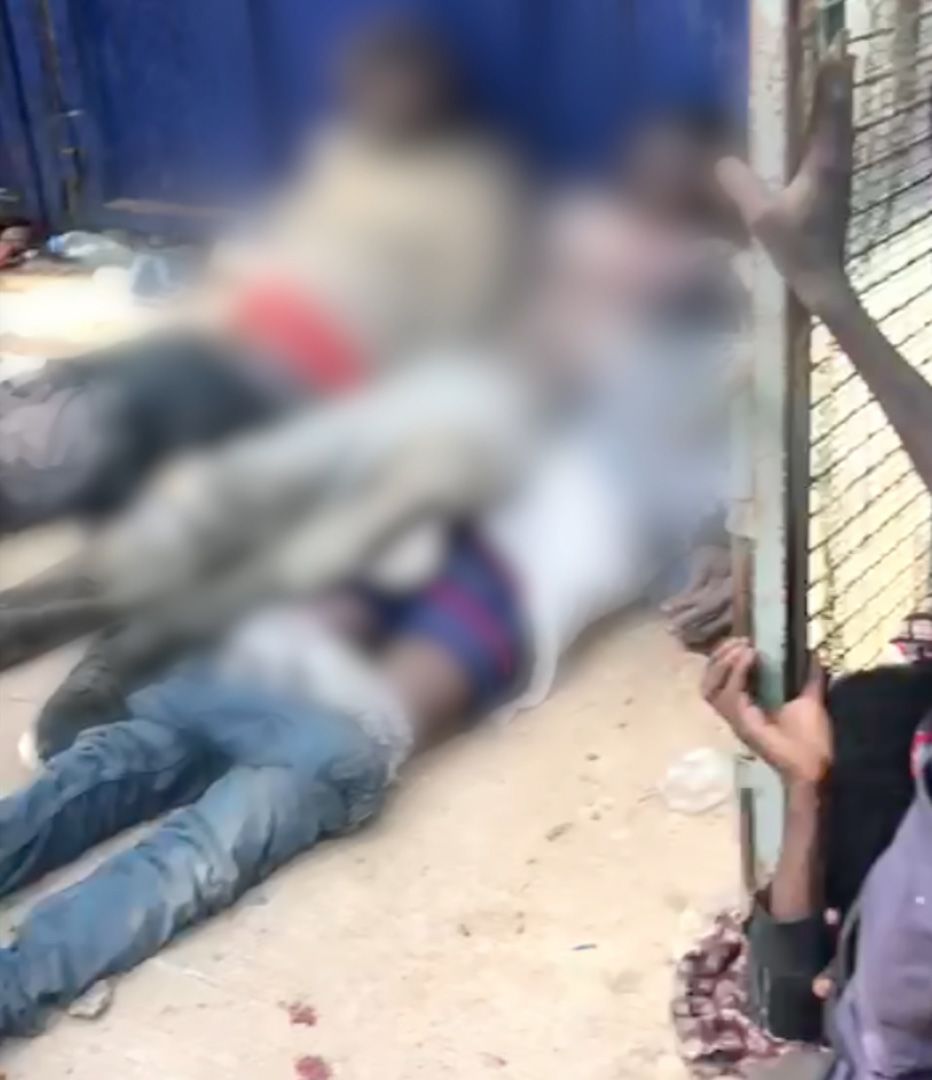
This is the same blue gate we stood at with the Spanish Guardia Civil.

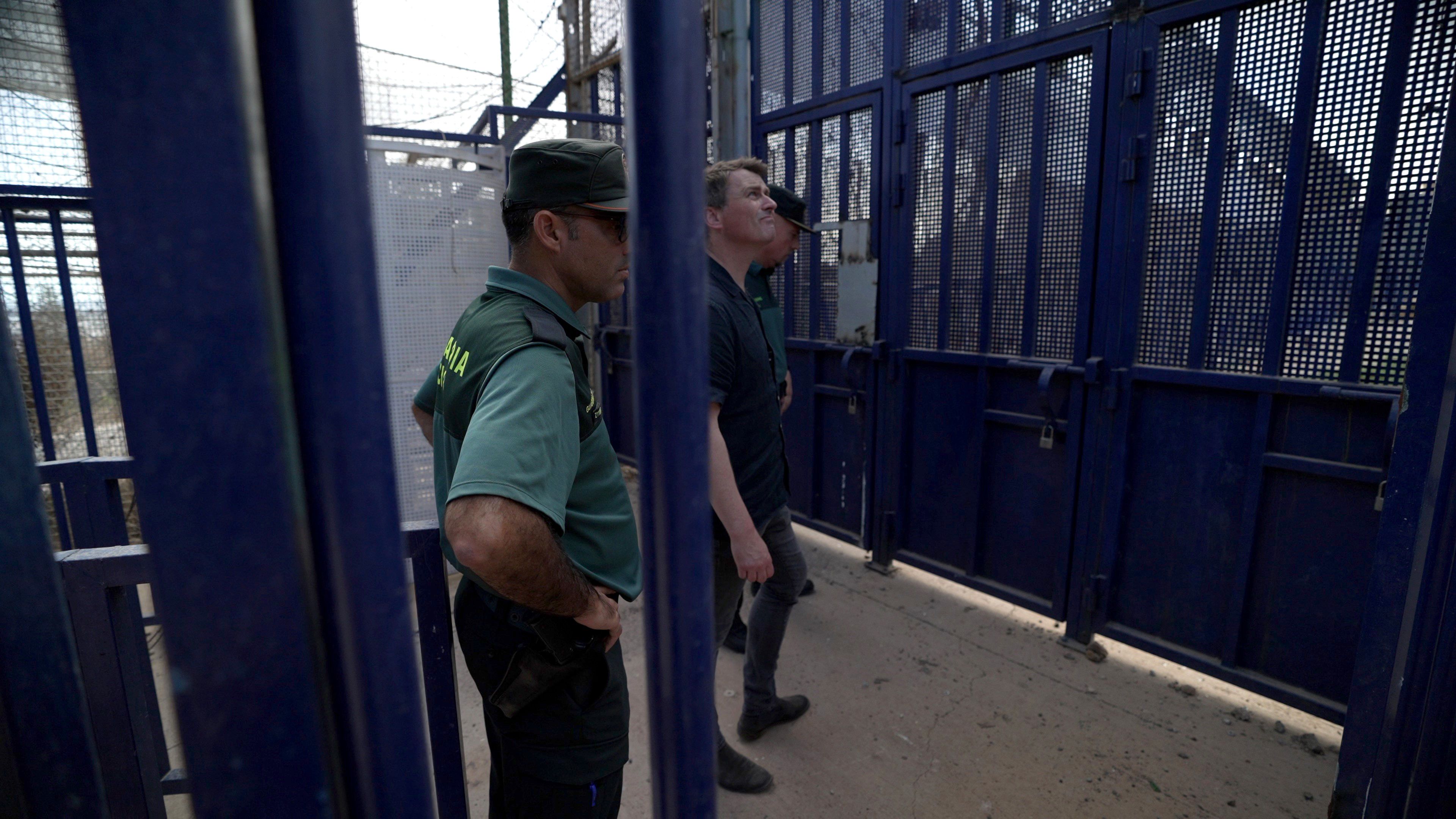
Lieutenant Macias, who was in charge the day we visited, wasn’t at Barrio Chino on 24 June, but he says he has taken statements from every Guardia Civil officer who was. We asked him why they didn’t open the gates from no man’s landas soon as the crush started.
He said there had been a risk to his officers. “We were about 50 or 60 officers, trying to stop thousands of people.”
“They passed very, very quickly, and they stepped on one another. That was the problem because when we saw that, we had to go back because our lives were at risk. After the sub-Saharan people opened that gate, it was all a mess.”
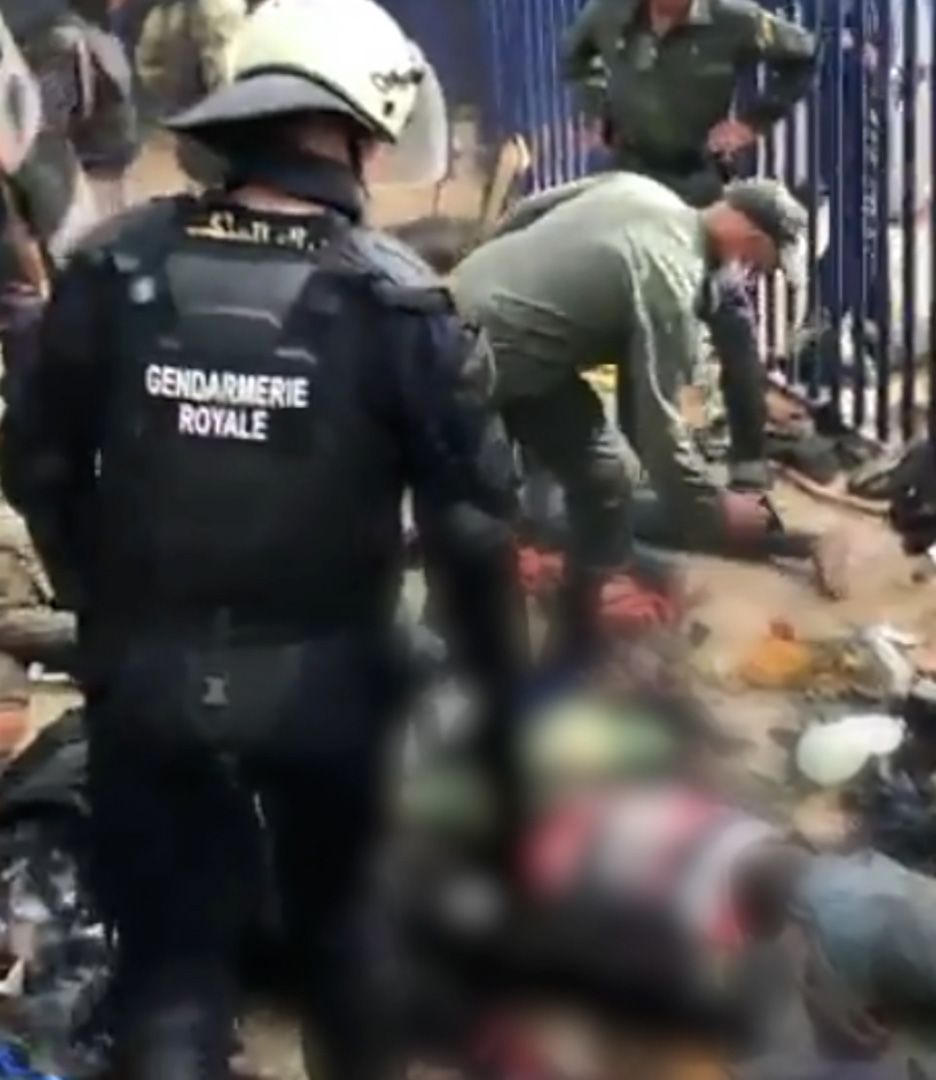
We have verified a video that is too graphic to show in full. It shows the aftermath of the crush we saw earlier, and crucially, there are now bodies in the entrance section we were told is Spanish-controlled land.
One man is surrounded by Moroccan police before his lifeless body appears to be dragged towards the Moroccan side. Another is prodded by a Moroccan police baton - he appears to be dead.

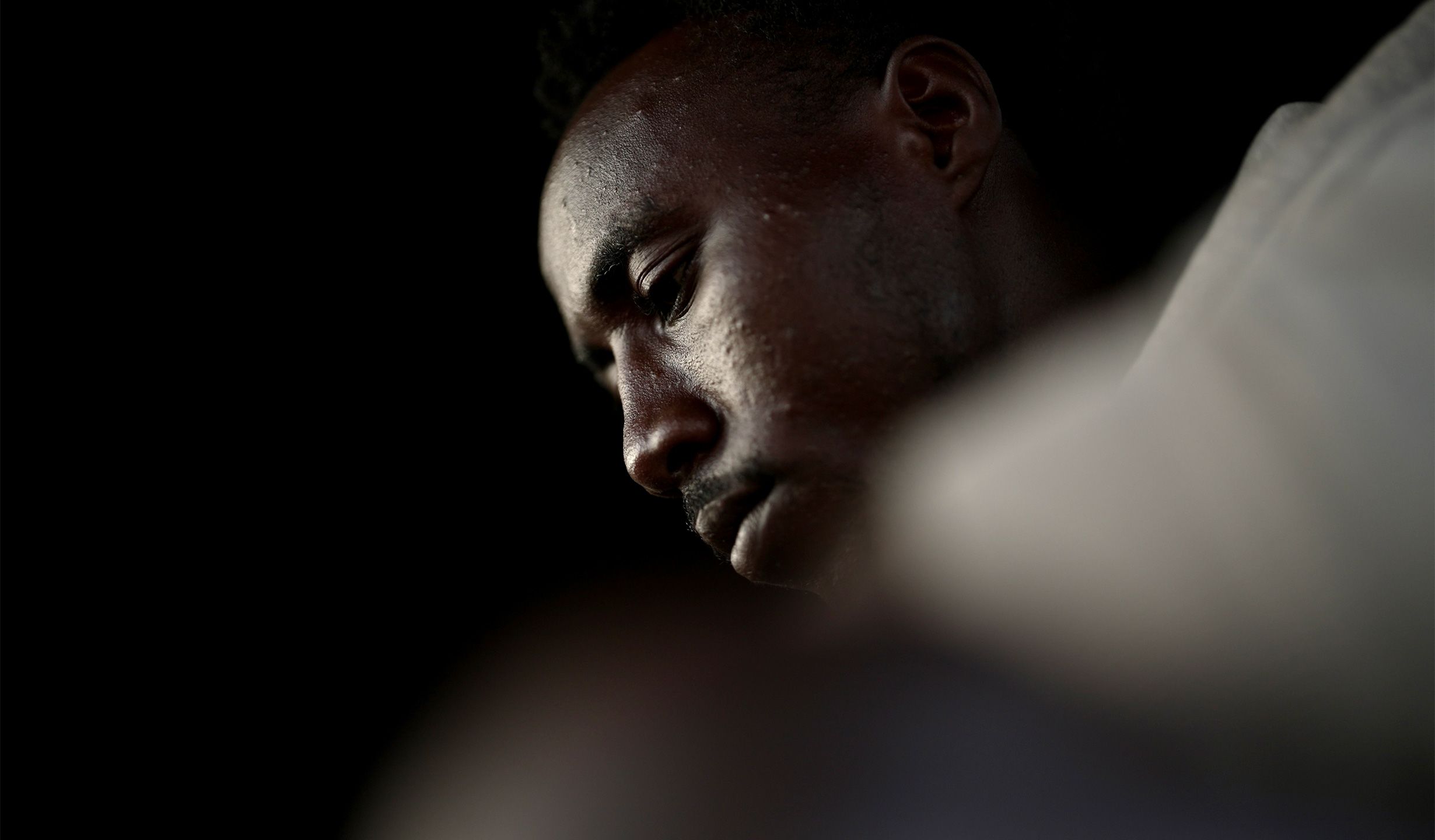
His name was Anwar. The 27 year old was Mo’s friend.
“I remember the last coffee that I drank with him - the last coffee in the mountain. He told me, ‘See you on the other side.’”
Anwar wasn't the only friend Mo believes he lost that day. “Anwar, Mazin, Wariq, they are all dead. I'm sure about that. I saw them when I started to climb.”

A statement from the Spanish Interior Ministry described the BBC’s findings as “not corresponding to reality”. It also said that reasonable force was used that day.
During our visit to Barrio Chino, we were told by the Guardia Civil that the Moroccan authorities warned them that the migrants were coming in large numbers.
When they did come, the Spanish authorities could see the horror unfold from their Guardia Civil headquarters in Melilla.
We were given special access to their CCTV control room, where several staff monitor cameras on giant screens. We were told sensors are activated when the border fences are touched, alerting staff.
We watched as the cameras focused on tiny details far off in the distance, and were told that images from Melilla are also relayed in real time to the Guardia Civil headquarters in Madrid.
We were also told that on 24 June, a helicopter and a drone were taking additional pictures.
This is crucial evidence, which would reveal new details of what happened that day - including the actions of the migrants and the authorities. An investigation by the Spanish Ombudsman recently released an interim report noting that not all of the CCTV from that day had been released to its office. The Spanish Ministry of the Interior previously told the BBC in a statement that all the security camera recordings had been made available, and were in the possession of the State Attorney General's office and the ombudsman as part of their investigations.
Separately, the BBC has obtained footage that shows Spanish law enforcements responding with force.
The video was published by a federation representing the Guardia Civil. It was filmed on the Spanish side of the border crossing. It shows rubber bullets being fired directly into the group scaling the fence into Spain - we counted the sounds of more than 40 shots in two minutes.
Source: Twitter
Source: Twitter
“When Spanish police used rubber bullets and gas, some of our friends were at the top of the fence of Barrio Chino. They hit them and they fell,” Ismail told us. “On the floor, some of them didn’t move.“
Mo described being caught in the crossfire. “They started throwing the rocks, and the Spanish also had pepper spray. They threw rocks this way, and the Moroccans the other way. We were in the middle.”
Days after the deaths, Spanish MP Jon Inarritu collected rubber bullets, smoke bombs and tear gas from Barrio Chino. He also disputes the Spanish government’s assertion that the deaths occurred mostly in no man’s land.

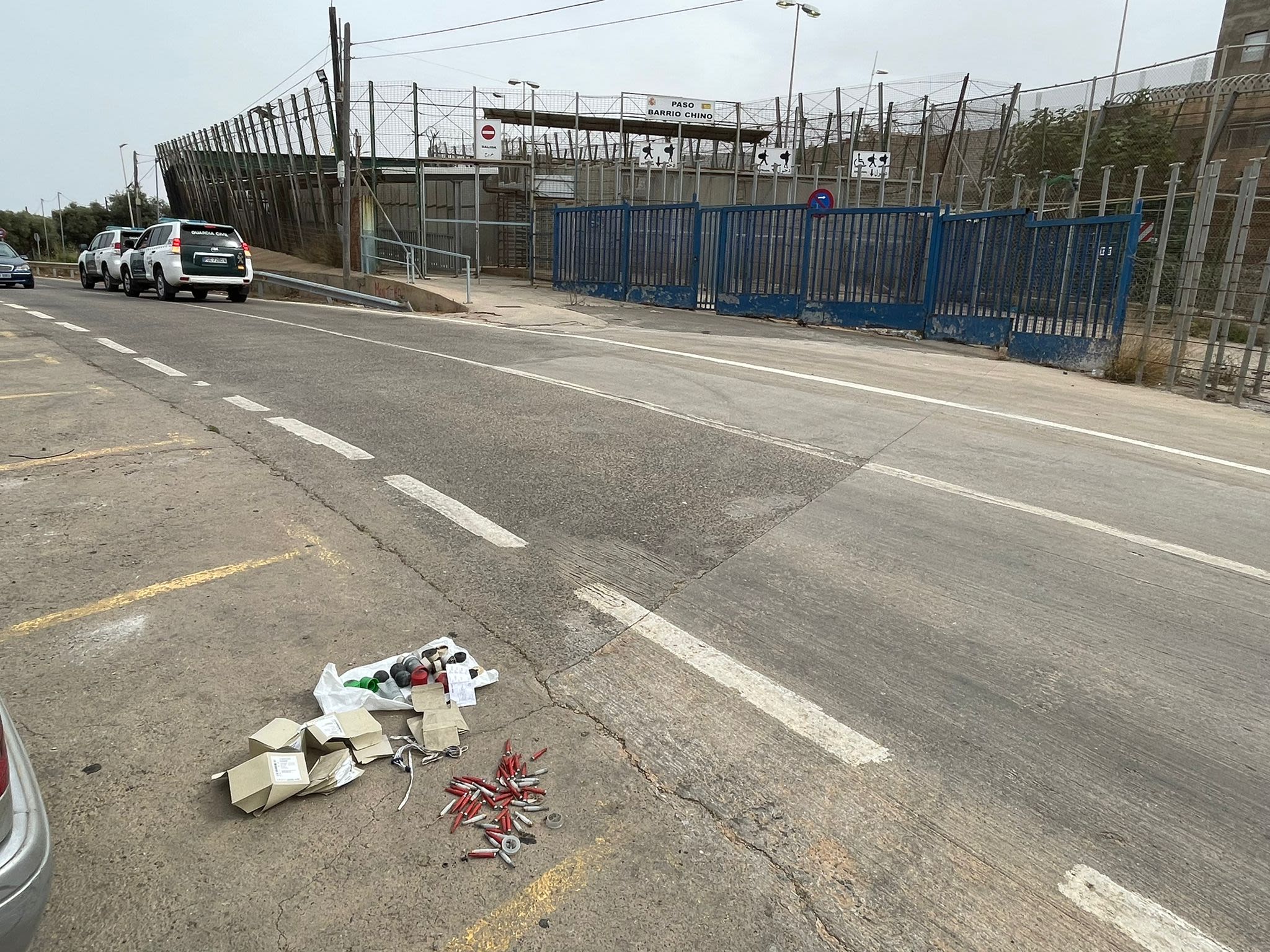

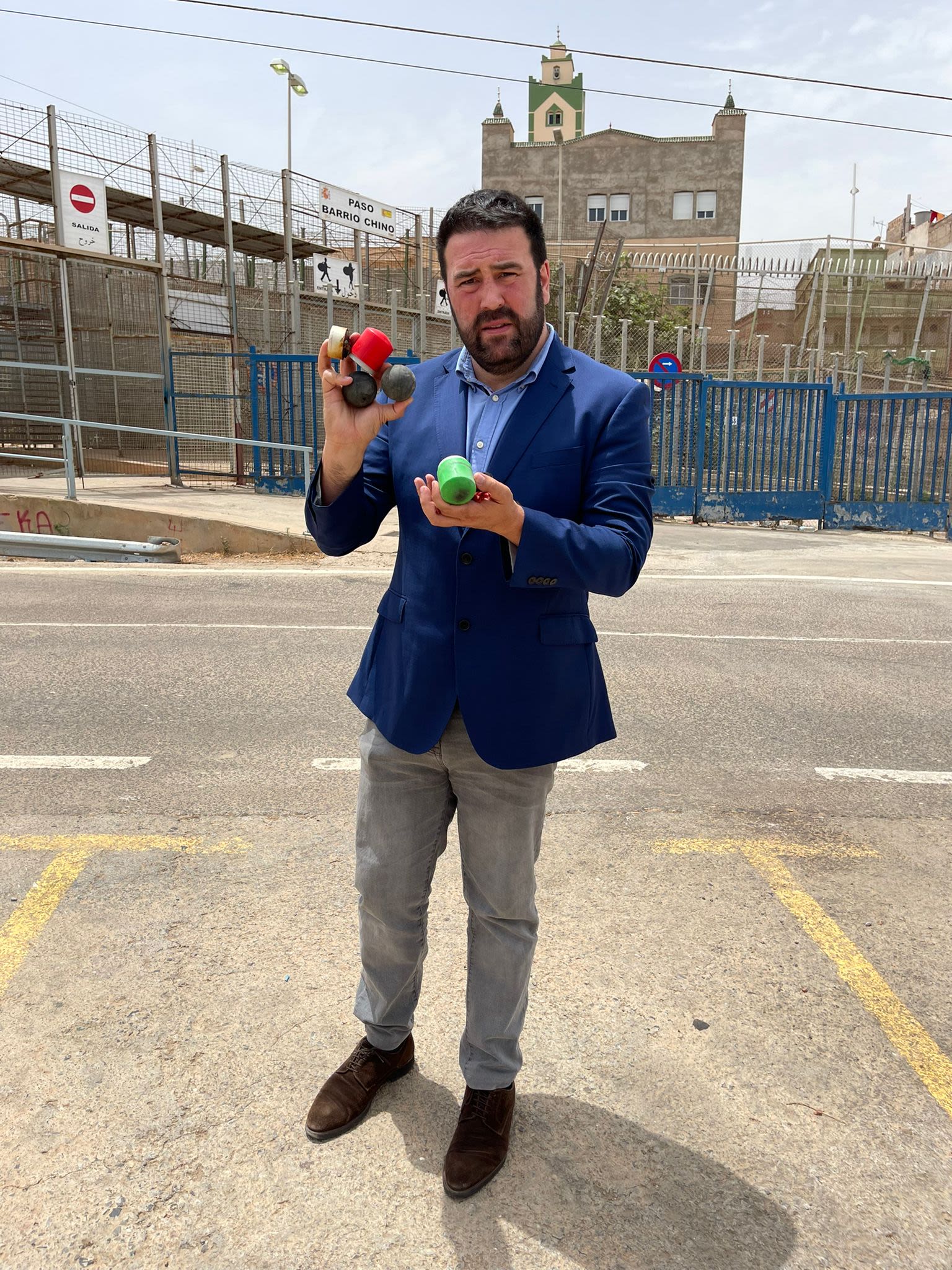

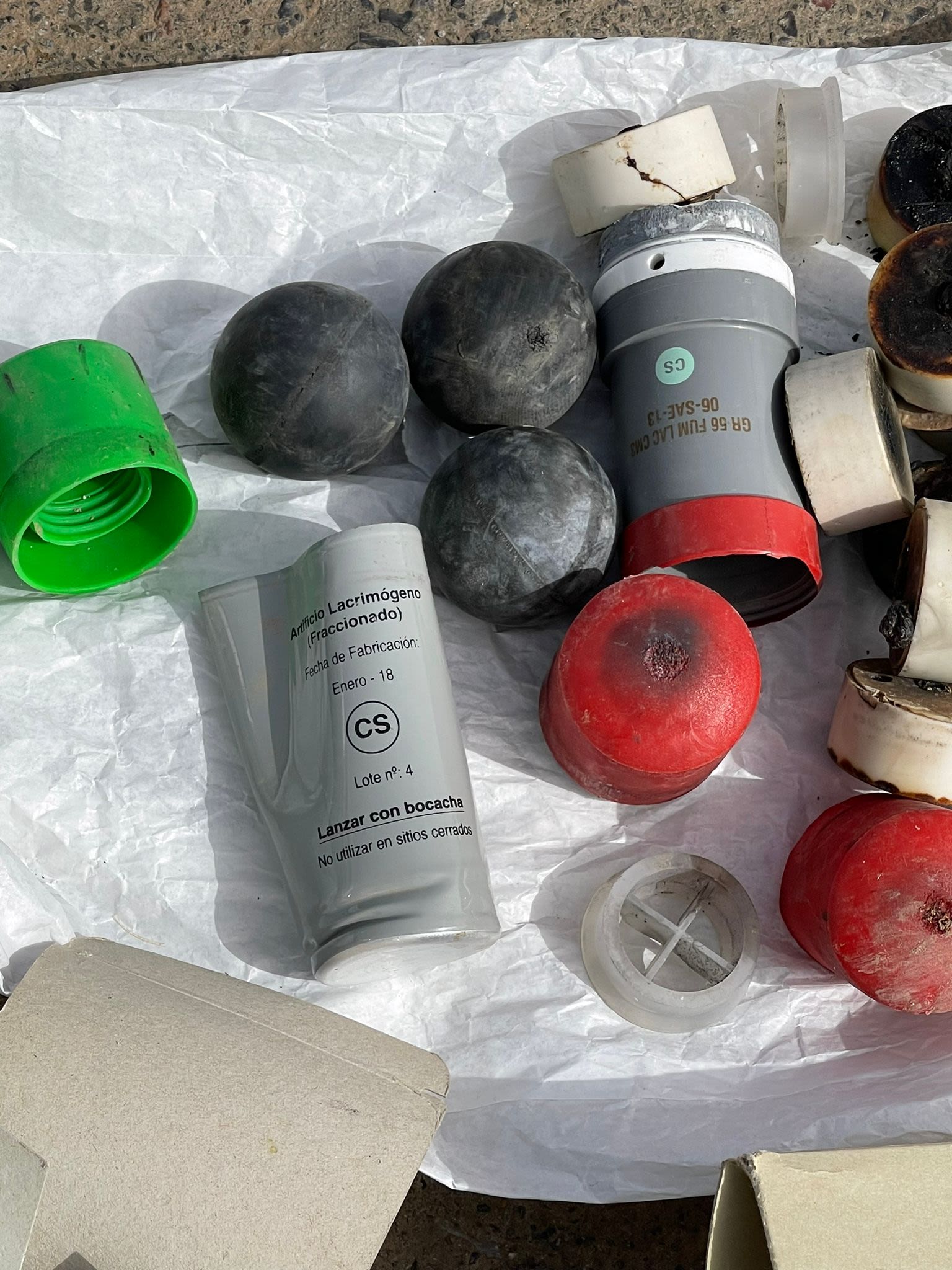

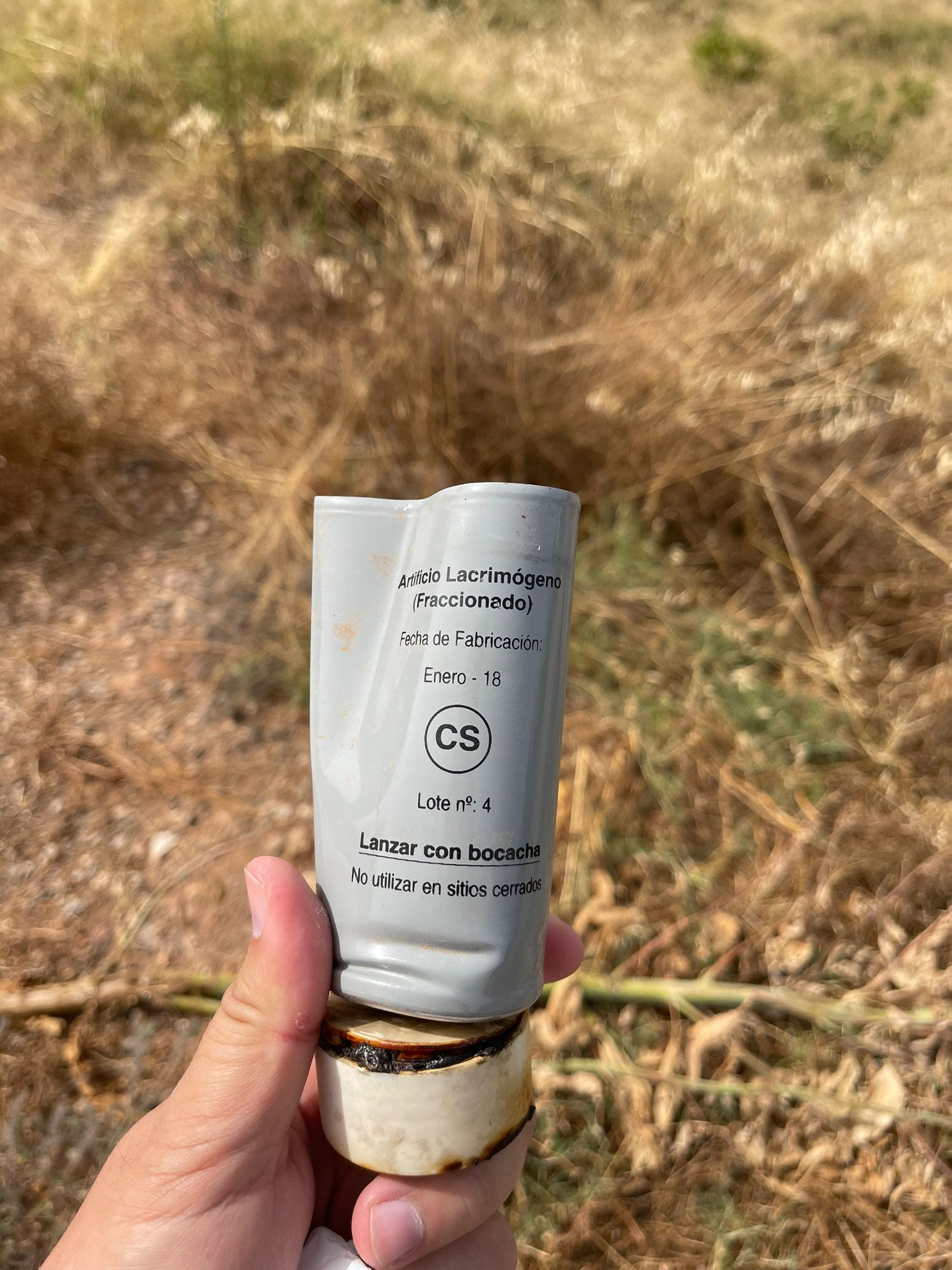


He believes most of the deaths occurred on Spanish territory and bases this on records of the Spanish National Geographic Institute and the national land registry. He says these show the historical border between Melilla and Morocco is outside the whole of the Barrio Chino border complex, and that means, he says, that the events of the 24 June happened in Spain.
But this is contested by the Spanish government.
Rubber bullets

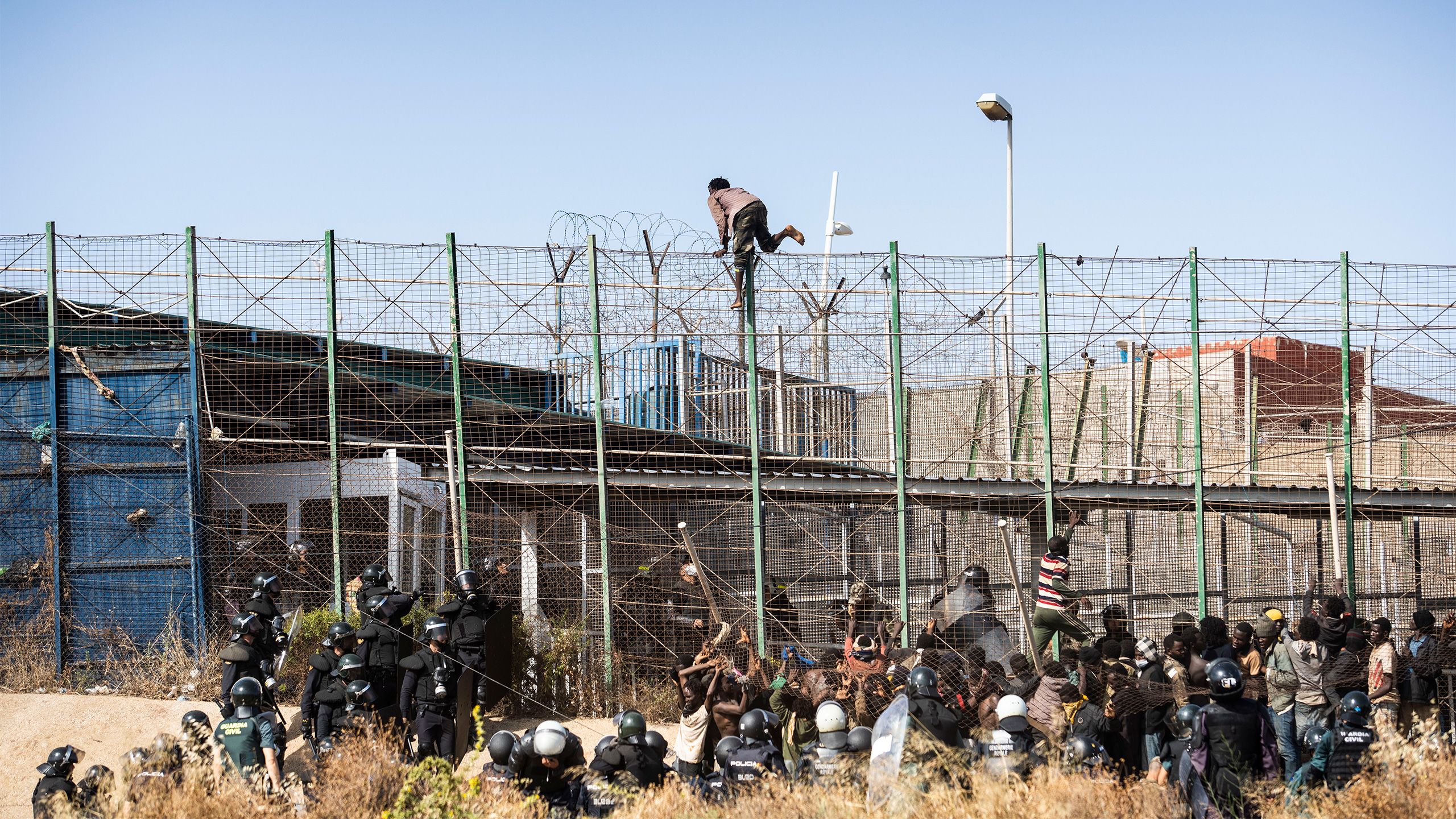
We now also know that most of those who made it across to Melilla were detained by Spanish authorities and immediately forced back to Morocco in a joint operation.
Spanish journalist Javier Bernardo was filming there on the day and captured these images.
His footage shows Moroccan security forces entering Spanish territory to take people back to Morocco - there was no opportunity for them to claim asylum. This practice is known as “pushbacks” and is legally contested.
“Everyone here that you can see in the picture, everyone was pushed back,” he said. He estimates that to be about 300 people.
We have also obtained this footage from Javier G. Angosto, filmed from the Spanish side, which shows dozens of Moroccan police walking through Barrio Chino taking people back. These images show that some were beaten by Moroccan authorities under the gaze of Spanish Guardia Civil.
The Spanish Ministry of the Interior told the BBC that it was “false” to say 300 migrants were pushed back. It also said: “All rejections at the border were carried out in accordance with Spanish legislation endorsed by the European Court of Human Rights.”
But the interim report by the Spanish ombudsman concluded that 470 people had been pushed back to Morocco and it raised questions about the legality of the returns.
Those we spoke to who were sent back to Morocco told us they had been held outside Barrio Chino on the Moroccan side for hours without medical attention - one said he was beaten so badly he lost consciousness - and that security forces stopped medics from treating injuries.

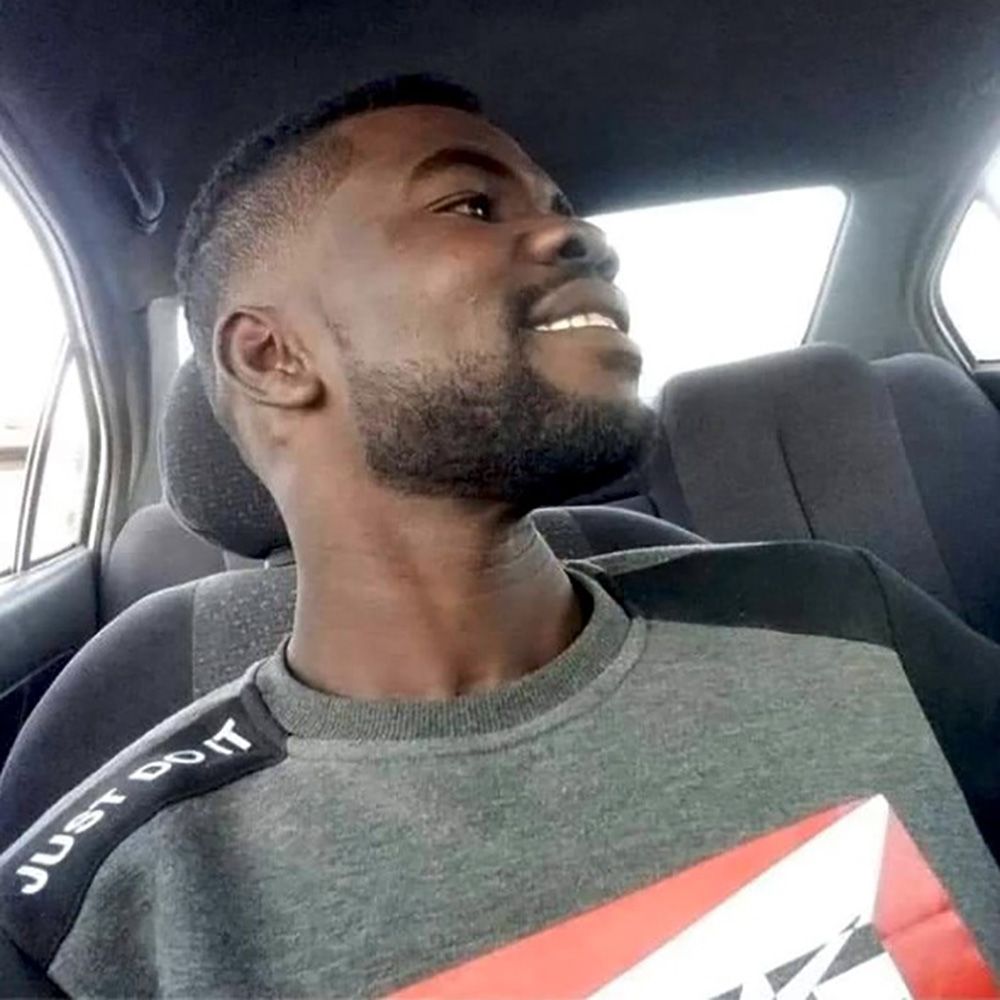
We have learned from eyewitnesses that a man called Abdelnasir later died of his injuries.
It is unclear what happened to the bodies of all those who died.
Several sources have told us there are dozens of bodies being held in the mortuary in Nador, the Moroccan city closest to Melilla.
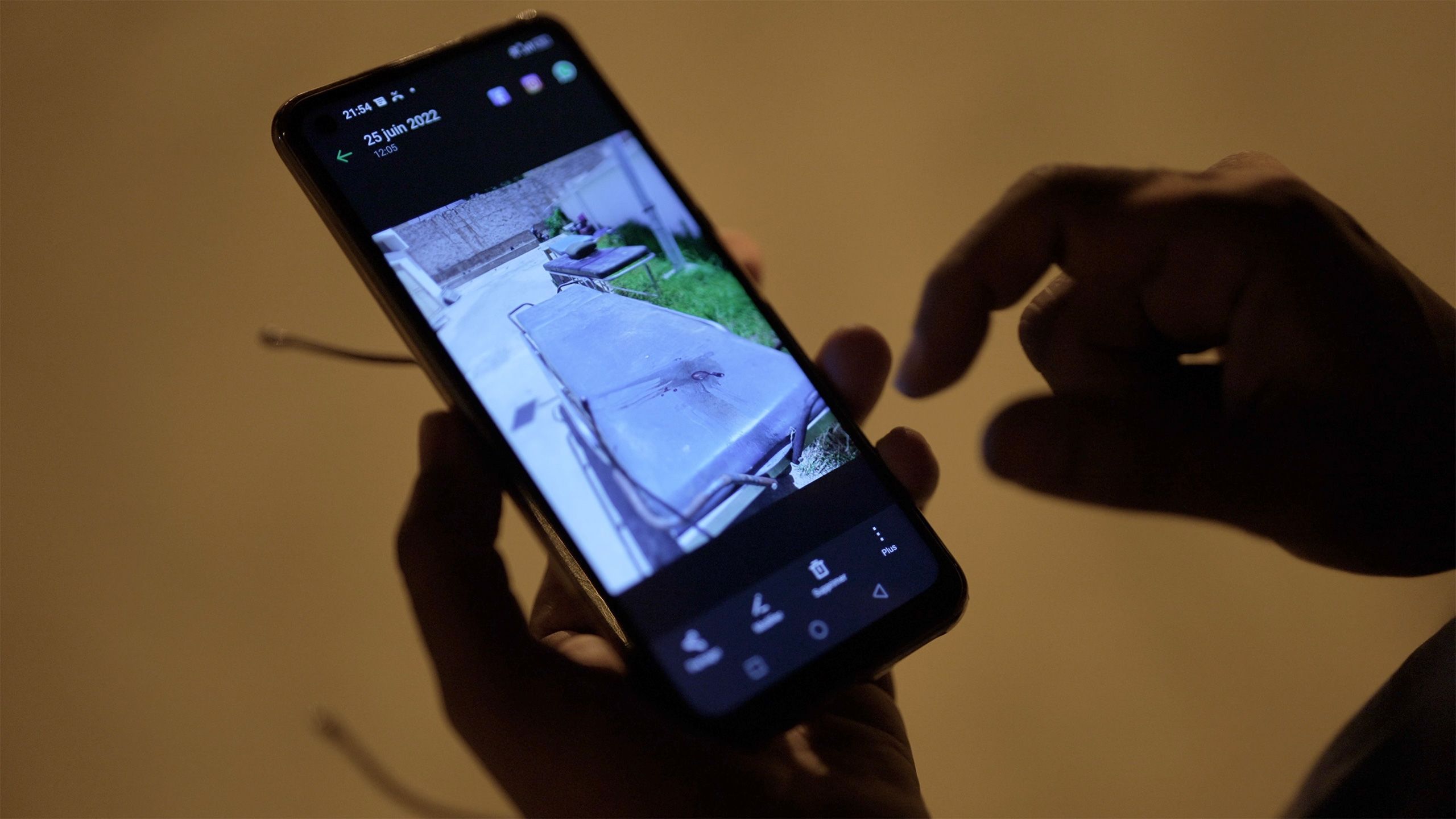
Omar Naji from the Moroccan Human Rights Association says that, fearing a cover up, he went to the mortuary in Nador to try to find out more about how the migrants had died.
He says nothing prepared him for what he found there.

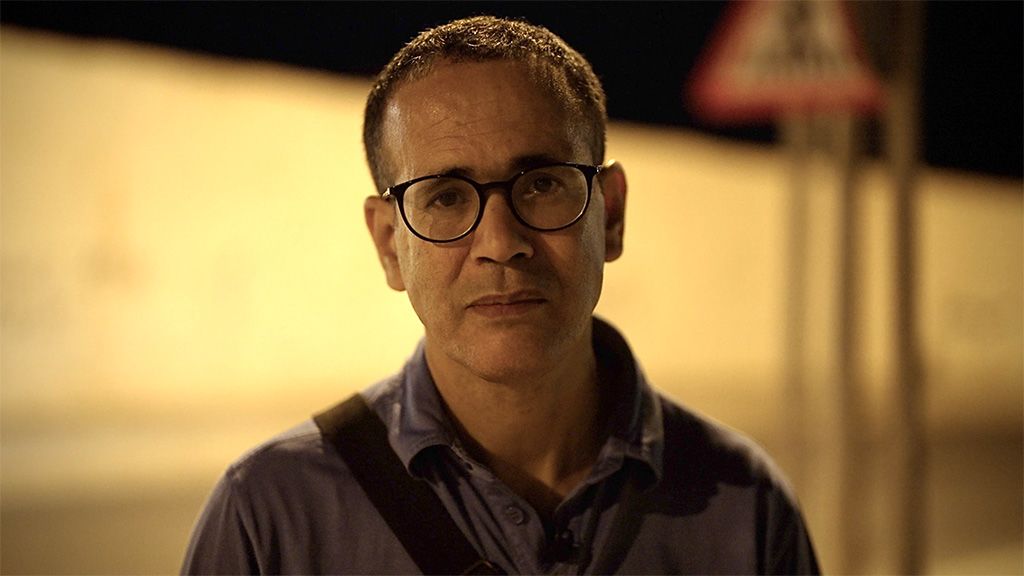
“The corpses were lying on the ground. The smell was terrible. The floor of the morgue was full of blood.”
He wanted to document how the people died.
“I only counted the corpses that were on the floor. There were 15 bodies - some had severe head and abdominal injuries. There were various wounds on heads, on the body and on the legs and especially on the hands because when they climbed the wall they could have been injured. But there were also bodies without injuries.”
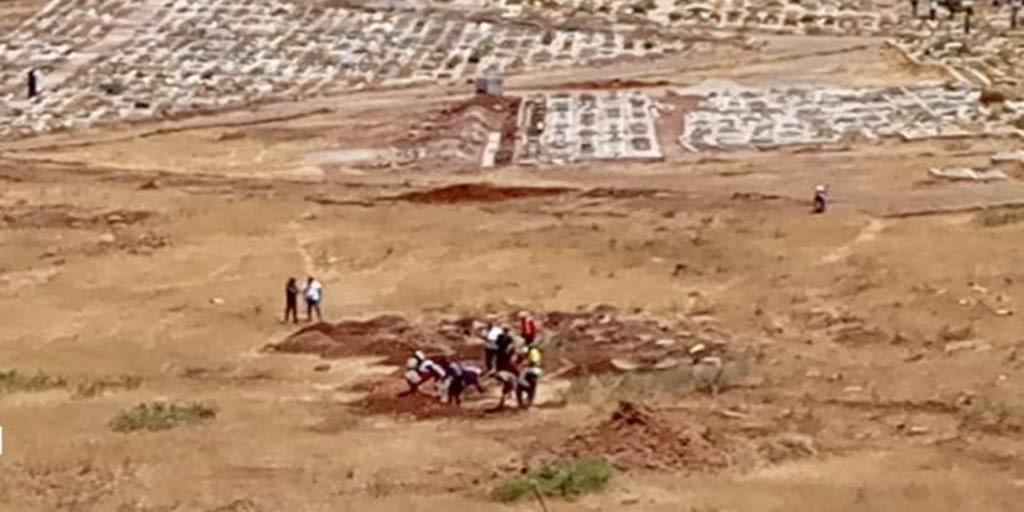
Omar also visited the local cemetery and was shocked to find 21 fresh graves being dug in the section of the cemetery reserved for migrants.
“The authorities wanted to bury the bodies without making the necessary investigations and without identifying the bodies. We caught the authorities in the cemetery of Nador while they were digging graves.”
He says that when he and others revealed who they were the authorities stopped what they were doing.
Satellite imagery appears to support Omar’s testimony.
This picture shows the cemetery on 16 June. You can see the white graves.
This image was taken three days after the deaths at Barrio Chino - you can see it looks like the ground has been dug up.

“We think that what happened on 24 June is a serious tragedy that has never happened before. It proves that the immigration policies carried out by Morocco and by Spain too are criminal policies. For us, it is a real crime.”
Omar has also been trying to verify the details of those who disappeared that day. So far, he has documented the names of 77 missing migrants, and he believes the final death toll will never be known.

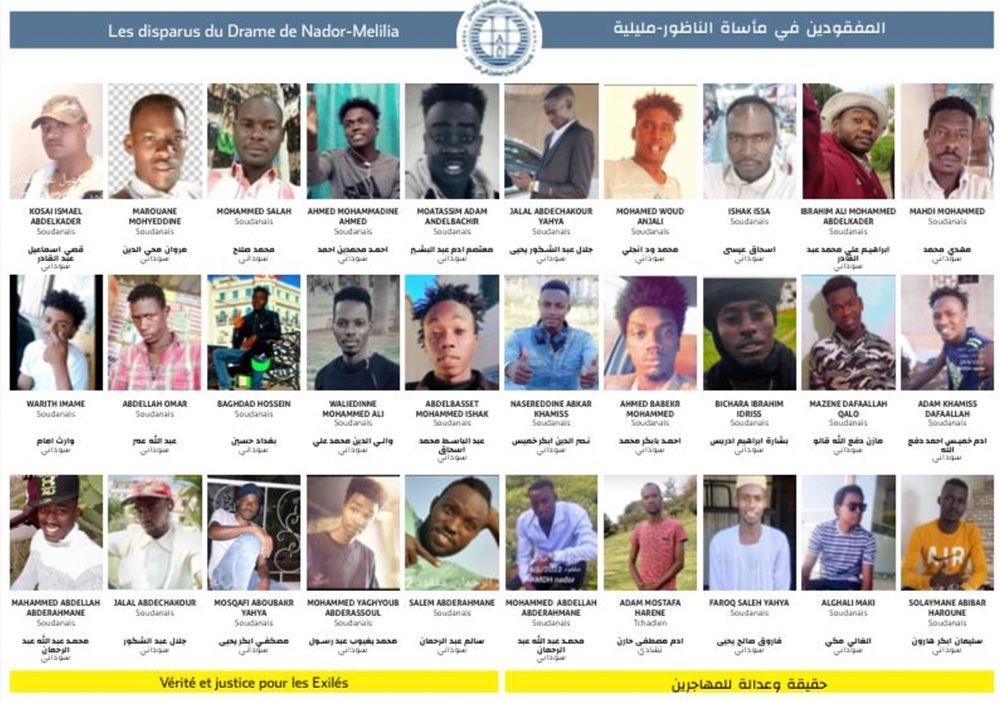
In July, a Moroccan government-sanctioned report found that the main cause of migrant deaths had been “mechanical asphyxia” - suffocation through being crushed. It said that migrants had been violent and armed with sticks. It also said all the injured people had received the necessary medical care.
The Moroccan government declined our request for an interview.
But the director of Migration and Border Surveillance in Morocco's Interior Ministry, Khalid Zerouali, did speak to Spanish media, and defended the actions of Moroccan officers.
Migration control deals

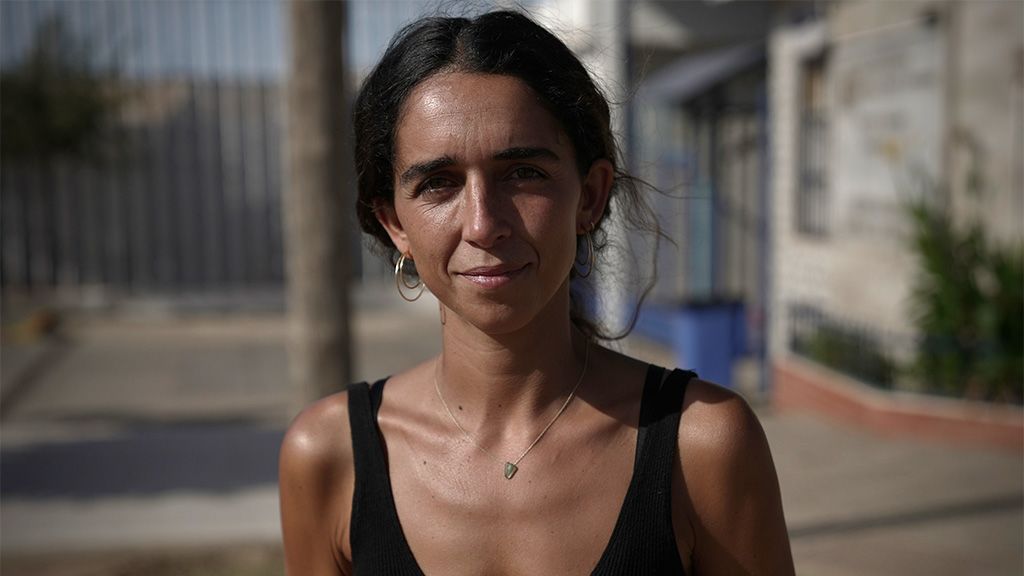
Marta Llonch a Spanish human rights lawyer for CEAR in Melilla, says accountability must follow.
“It is just shameful, just terrible, like one of the worst things that has happened.”
She describes the events at Barrio Chino on 24 June as “yet another example of the consequences of the policy of externalising border control”.
“So basically, Europe is paying countries that have very poor human rights records that do not respect human rights to control European borders. And then that's what happens. That's the violence that these policies are causing. So until there are no safe and legal channels, this will continue to happen.”
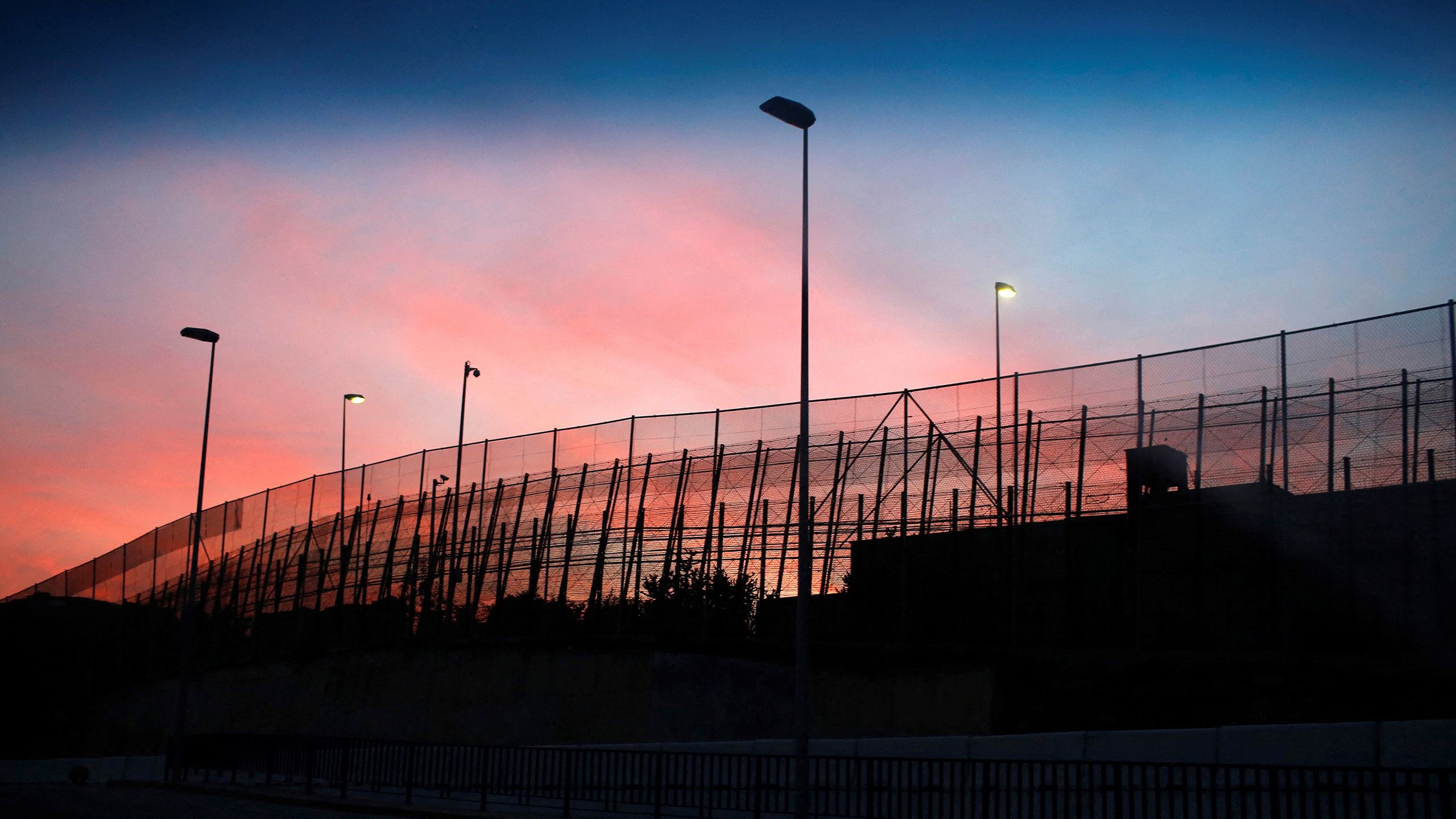
In early July, the EU signed a new migration-control deal with Morocco and later agreed to pay the country half a billion euros over the next five years.
Omar believes there needs to be more scrutiny of these deals.
The Spanish Ministry of Interior told us all the migrants who had entered Spain on 24 June, a total of 133 people, had access to the right to international protection and all had requested asylum. The ministry said Spanish authorities acted within the law and that any person could apply for asylum during their stay in Spain. The ministry has repeatedly claimed the migrants were extremely violent and that they had been incited by organised mafia to attack the border.
Pressure is building on Spain and Morocco as several formal investigations examine the events of 24 June, and how so many people lost their lives.
Dozens of migrants are being prosecuted by Moroccan authorities in connection with what happened They are facing up to two and a half years in prison.
But for survivors like Ismail, Stephen, Mo and Hassan, who say they left conflict behind in Sudan and South Sudan, their hopes for justice are fading. They have little faith the truth will ever be revealed.
Africa Eye heard testimony of those in Morocco who never made it across, and found people traumatised, living on the streets and still in fear of their lives.
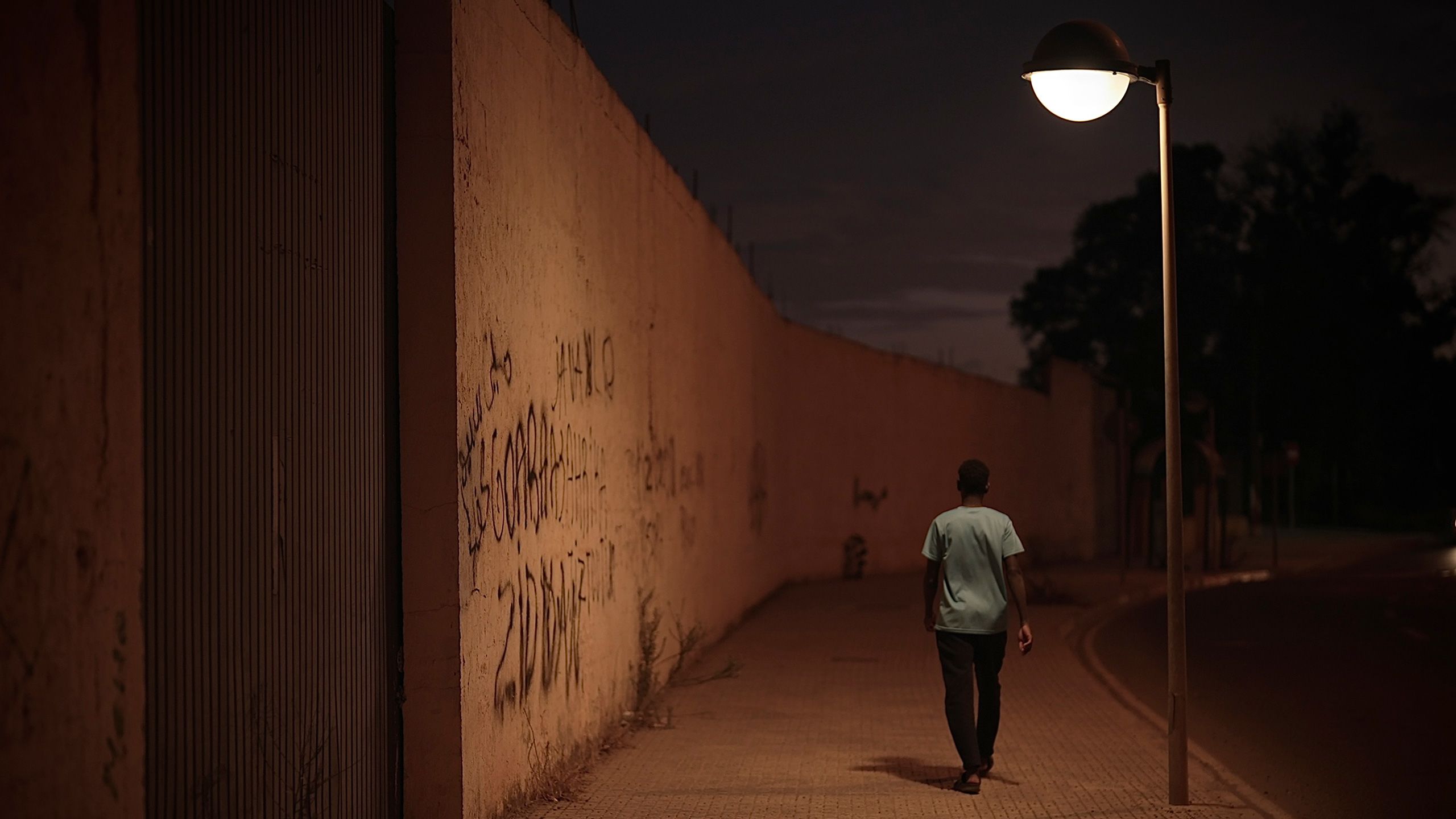
This man also fled the conflict in Sudan, but says he is now stranded in Morocco, living on the streets.
“I ask this question to the entire world: Why is human life so cheap? What crime did they commit to deserve such treatment? To die in a country like Morocco inches away from Spain. We could’ve joined the militias in our country because that was the only way to survive, kill in order to live.
“We could have picked the worst path. That’s why we left, to change this fate. I didn’t die that day but I am not alive now. I wish I lost my life with my brothers.”
Credits
Authors: Ed Thomas, Adam Walker and the Africa Eye Team
Open Source Investigation: Benjamin Strick, Reuters
Video and Photography: Adam Walker, Javier Bernardo, Javier G. Angosto
Producers: Courtney Bembridge, Suzanne Vanhooymissen, Sara Creta, Vinnie O'Dowd
Graphics: Gerry Fletcher
Editor: Kathryn Westcott
Online Producer: James Percy