BBC Review
Certain barrels in the vaults of EMI Nigeria and Decca Afrodisia have been scraped.
Jon Lusk2008
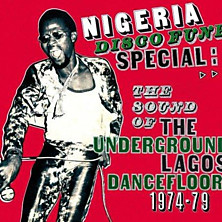
Hot on the platform heels of the excellent first part of this three-volume set of obscure 1970s Nigerian musical treasures, this single disc compilation focuses on the period when American funk and then disco were the most popular imported sounds. Lagos had a highly fertile music scene back then, and local hopefuls drawn to the city from all over Nigeria and beyond readily reinterpreted such styles in their own inimitable ways.
The opening Take Your Soul by Sahara All Stars is a crisp and muscular slice of instrumental Afro-funk from 1976 that sets the tone nicely, with multiple wah-wah guitars meshing over an increasingly excited but unnamed drummer. By 1979, the disco craze had taken over, if T-Fire's Will Of The People is anything to go by. The next standout track is Greetings, by Johnny Haastrup, the former leader of the hugely popular Mono Mono. His subsequent solo career in the US never really took off, but this flowing, theatrically produced gem makes you wonder why. The US influence is at its most obvious on Bongos Ikwue & The Groovies' You've Got To Help Yourself, which transposes Billie Holiday's God Bless The Child into a tropical blaxploitation setting.
Jay-U Experience's Some More is memorably and accurately described as 'a privileged excursion into the world of non-discordant funk rock’, and has star turns from both the saxophonist and guitarist, again unidentified. Finally, mention should be made of the driving grooves on Mota Ginya by The Voices Of Darkness, all Cameroonian expats.
The other three songs border on filler, depending on your taste, and those preferring a more rootsy, indigenous vibe may be initially disappointed, while the emphasis on instrumental material means there's not much in the way of vocal stars. The sleeve notes, too, are less detailed, adding to the vague feeling that the bottoms of certain barrels in the vaults of EMI Nigeria and Decca Afrodisia have been scraped. Even so, there's enough in the way of period charm to merit attention, and it's sequenced in a dance floor friendly fashion that's no doubt faithful to the artists' original intentions.
 This work is licensed under a Creative Commons Licence. If you choose to use this review on your site please link back to this page.