BBC Review
Familiarity shouldn't dull our appreciation of what many of these artists achieved.
Sid Smith2009
Fairport Convention, Richard & Linda Thompson, Sandy Denny, John Martyn, Nick Drake, et al, have been part of the fittings and fixtures for so long now we barely give a second glance when their music pops up in adverts, documentaries, film soundtracks and soap operas.
It's also a given that any act in just about any part of the folk music / singer-songwriter continuum operating today will cite some or all of the above as being hugely influential and providing a significant signpost in their own artistic journey.
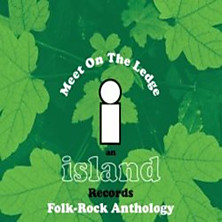
So, unlike other retrospective box sets leafing through Island's back catalogue, the path through much of this three CD selection seems a tad well-trodden at first glance, despite the not so obvious inclusions such as Ronnie Lane, Bryn Haworth and The Sutherland Brothers.
However, familiarity shouldn't dull our appreciation of what many of these artists achieved.
United by a common desire to push the envelope as far as it might go, the folk-inclined artists opened up fertile territories with just as much gusto and accomplishment as their rock band stablemates.
The Island sampler albums of the day (You Can All Join In, Nice Enough To Eat, Bumpers etc) demonstrated how easily the underground rock scene stood next to an equally impressive team of folk acts.
Such an eclectic mix seems at odds with today's fragmented, long-tail, specialist retail landscape. But back then, whatever boundaries existed were there to be crossed and blurred - something the Island label arguably did better than any of its corporate rivals at the time.
Label boss Chris Blackwell wisely created a haven where the talent was nurtured and given the time to mature and develop. A key part of Island's critical and artistic success depended not only on a few shrewd cash-cow signings but just as importantly, in taking a broad church approach to its roster.
In such circumstances, that ebb and flow of influence and exploration cut both ways.
Jethro Tull and Traffic, like many of their contemporaries, were happy to be able to contrast and augment their blues-based/ progressive rock yearnings with something that could be just as persuasive and potent.
The Fairport family tree discovered the rich bed of the UK's traditional tunes could be infused with a rollicking, earthy dynamic that cut through the stuffy protocols of what was considered proper and authentic in a way that was as shocking as it was innovative.
Just as it is now, so it was then: folk-rock was an bold, eloquent hybrid designed to encourage maximum expression, and most of what's contained here represents the cream of the crop.
 This work is licensed under a Creative Commons Licence. If you choose to use this review on your site please link back to this page.