BBC Review
Enchantingly minimalist between-albums EP from the sometime Efterklang member.
Mike Diver2010
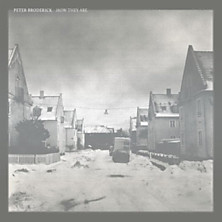
How They Are is slight, delicate; it sounds as if any external noise would drown it out. Listen on headphones, and even at volume the music here is challenged by anything else: a passing siren, the drone of daytime office radio, requests for cups of tea to be brewed. It is not intended as an album proper, recorded as it was during downtime, when Broderick – sometime Efterklang member, fully fledged solo artist – was forced to rest up following knee surgery. His next album will, instead, arrive in 2011, assisted by his neo-classical composer friend Nils Frahm. Beguilingly, though, this is perhaps more than an album, despite its brevity.
More, because it presents no filler, no bridges between arrangements intended to latch to the listener and never let go. It offers nothing that’s not direct, albeit in a very stripped-back and subtle fashion, each piece bound by instrumentation born either from piano or guitar. Percussion, you’ll be pushed to find any. Instead, gentle melodies turn like slow-motion tornadoes, screwing into position with a can’t-look-away beauty, all destructiveness is ostracised from the encounter. When I’m Out, a piano instrumental, circles and sighs, light fingers on illuminated keys playing out a private dance that the listener feels uncomfortable spying; Human Eyeballs on Toast triumphs over its terrible title, Broderick’s engrossing rhythmic repetition matched with lyrics that utterly arrest. Should the attention have wandered, lines like "If I had a bigger brain / I’d surely find a way to take my own life" soon have it snapping back. Guilt’s Tune is a spoken-word delight, worthy of comparison to under-appreciated San Diego author and musician Adam Gnade; Hello to Nils adds singing to this whispers-over-an-acoustic equation, but cuts just as deeply lyrically with a message that, ultimately, time heals all.
Broderick is open about the compositional shortcomings, if one chooses to hear such minimalism as a bad thing, on this collection – it’s a step backwards before a more significant one forwards, says the artist. A band will come together; grander songs will be recorded and subsequently toured. But it’s unlikely that anything on the forthcoming Frahm-guided LP will be quite as exquisite as the finest numbers here, tracks where an unhurried elegance informs a whole that charms with uncommon tact and poise, spot-lighting simplicities that entertain every bit as brilliantly as bolder, more boisterous writing.
- - -
 This work is licensed under a Creative Commons Licence. If you choose to use this review on your site please link back to this page.