Abstract Artists In Their Own Words
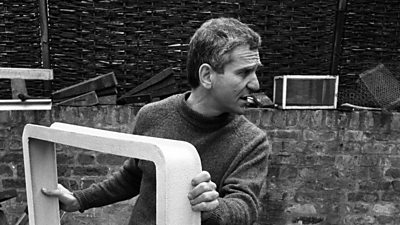
In a new film for BBC Four, Abstract Artists in Their Own Words unlocks the BBC archives to tell the story of abstract art in Britain. The film is told through the words of those who broke free from the figurative tradition to create a radical new form of art. Abstraction is one of the most significant developments in the story of 20th century art. When it first rocked the art world through artists such as Malevich and Mondrian, British artists were initially slow to embrace the brave new world of non-representational art. But by the 1960s some of the most original and acclaimed abstract artists working anywhere in the world were in Britain.
From Barbara Hepworth’s abstract geometric forms to Howard Hodgkin’s powerful and emotional abstract paintings, Bridget Riley’s hugely popular and influential Op Art imagery to Antony Caro’s bold new ideas about sculpture, a generation of British abstract artists gained international acclaim. And along the way the BBC was there to capture them at work and record their words. The film will feature clips that offer revealing insights into the artists’ ideas and working practices, from an early film following Barbara Hepworth at work in Cornwall to a classic BBC Arena in which painter John Hoyland talks through the emotional challenges of creating a new work.
Also featured is archive documenting the often uncertain public response to abstraction - including a BBC Nationwide report interviewing a group of students who had been mistakenly using an Anthony Caro sculpture as a bike rack.
There are also newly filmed interviews with artists Howard Hodgkin and Gillian Ayres, who talk about their life and work.
And discussing the impact and significance of the artists featured are a wide variety of contributors – from Colm Toibin to Tim Marlow from the Royal Academy, art historian James Fox and Iwona Blazwick of the Whitechapel gallery.
Part of BBC Four Goes Abstract: When Art Broke Free season.
Publicity contact: SH6
