Interview with Adam Nagaitis
Adam Nagaitis plays Branwell Brontë in Sally Wainwright's one-off drama for BBC One.
Published: 24 November 2016
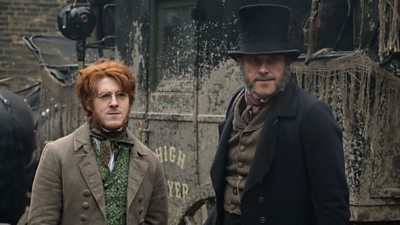
I didn’t know a great deal about the Brontës... when I got the script I realised what Sally had written was an honest portrayal of a family living with an addict, and I’d never seen that before in a historical context
Tell us about your character?
I play Branwell Brontë. He’s an alcoholic and an addict in general. He’s also a writer, a painter and the brother of the Brontë sisters, the brother that people don’t really know about. His addiction drives a lot of this story; a lot of it is about the conflict between his sisters and him.
He’s very passionate and fiery and is young at heart but very intelligent. He’s a great artist and a really good writer but he just never honed down one skill and really worked at it. He was very unpredictable and saw himself as a gentleman. He wanted to be Lord Byron or someone, he wanted to be important and renowned, a famous author, and it just wasn’t going to happen, for many reasons.
I have a lot of opinions about what psychological conditions Branwell might have had. There are various books I looked at and people’s accounts and historian’s opinions are always different. He had seizures as a kid and didn’t get to go to school, and was educated by his father at home.
How did you get involved in the project?
The real reason was because of Sally and the character she’d written. I didn’t know a great deal about the Brontës other than their work and the myths you hear about them. When I got the script I realised what she’d written was an honest portrayal of a family living with an addict and I’d never seen that before in a historical context. She’s had the courage to write what it might have been like for these three young women.
What did you think of the script when you first read it?
What most struck me when I first read the script was that it’s very honest and very easy to relate to, but written in a quite magical way. It’s a very painful three years, you’ve got a guy who’s an alcoholic, who’s slowly dying of alcoholism, liver failure, tuberculosis... and yet it’s quite hopeful. It’s completely accessible.
What is it about To Walk Invisible that will excite and appeal to audiences?
How easily anybody anywhere can watch it and say, I’ve lived with a guy like that, or, I’m that particular sister. They are three of the most famous writers in history but are just like us, there are no differences. They were just normal people growing up who read a lot and worked really hard at what they did and helped each other to be creative. Growing up in the Moors and having very little money didn’t stop them, it made them focus more on their imaginative worlds and they were inspired by their surroundings. That’s inspiring and encouraging for people to watch.
What is the one thing that you want people to take away from To Walk Invisible?
It is a story about three women growing up in a world where they’ve got everything against them: very little money, very little resources, living in a house with an alcoholic brother who believes he’s greater than he is and a father not paying a great deal of attention to what they do. They’re considered to be cooks and cleaners and teachers, but actually they’re three of the most brilliant writers of all time, perhaps three of the greatest writers we’ve produced in this country. Their world is what made them what they are and it’s why they wrote what they wrote. They didn’t belong in high society London, they have substance and their writing has substance and that’s what people notice about them.
Has To Walk Invisible changed your perception of the work of the Brontës?
To know more about Branwell is to know more about Anne’s work and where she may have got her inspiration for The Tenant Of Wildfell Hall. So many of the male characters in her books are so destructive and I never would have considered that Anne was writing about her brother before. That changes the way you read things, whenever you read about an author and you find out the truth about their lives, it enhances what you read. Their books stand alone perfectly fine without any knowledge of them, as they did when they originally wrote them, but when you know a little bit more it gets closer to home.
Sally Wainwright on writing To Walk Invisible…
"I wanted it to feel as authentic as it could. When people watch it I want them to feel that they are transported back in time. It’s not a chocolate box world and I hope it does reflect the real world that they lived in.
The primary aim of To Walk Invisible is to entertain people, for people to engage with it as drama and to enjoy it. I hope people will want to go away and know more about the Brontës, read their novels and read Emily’s poetry.
What’s interesting about the story to a contemporary audience is the domestic situation of the three Brontë sisters. The family are living with the alcoholic Branwell, who was very ill. It started in 1845 and goes through to 1848 when he died. The story is really about these three women living with an alcoholic brother and how they start trying to publish."