National Trust Sherborne Estate
Springwatch first came to the Sherborne Park Estate last spring with a brand new idea - to stay in one place for a full year to see how the wildlife in this one small bit of the UK’s countryside fared throughout all the seasons.
Published: 22 May 2018
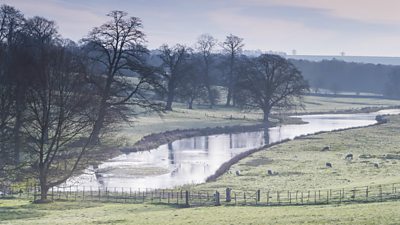
Sherborne was chosen as it sits right in the heart of the country, and because it boasts a fantastic variety of habitats and wildlife that represents the sort of animals and environments accessible to most people in the UK.
Fast-forward a year, and Springwatch 2018 will be the last series to be broadcast from the area; bringing the stories that the team have been following full circle, and reviewing how the first ever year-round location has worked for The Watches.
Some familiar species have become good friends over the year - with the barn owls and kestrels, badgers and bats all becoming firm favourites, and their success or failure reported as events developed through the year.
Whereas some species, like the barn owls and kestrels, proved easy to cover in spring, once their young had fledged they were much harder to track. The badgers and bats on the other hand were more difficult to film in spring, but come autumn and winter we got to know them in much more intimate detail.
This spring will be a mixture of some of these familiar characters, with plenty of brand new ones too.
The badgers and bats will be back, but there will be a new family of barn owls and the ‘Festival of Raptors’ that Springwatch 2017 brought will expand even further, with new, exciting species such as little owls, sparrowhawks and possibly a goshawk family just down the road from Sherborne.
At the same time, the team has been developing a new part of the estate to host our cameras, trying to bring the elusive otter families and water voles from the Windrush River, and opening up some rich farmland to our cameras, with specialist species such as yellowhammer, skylark and linnet all on the target list.
But as ever, this year’s Springwatch is all about the unexpected and unplanned events and dramas that will take place once the cameras are up.
The script for Springwatch 2018 will be written by the wildlife.
Planned wildlife highlights at Sherborne
Broadcast details
- TV show is live on BBC Two, Mon-Thurs, 8pm
- Online coverage starts from 8am, Mon 28 May
- Wild Academy is online, Mon-Thurs, 4-14 June
- Nestboxes in the woods: Having been out in the Sherborne woods for over a year, the Springwatch nestboxes will be familiar to the wildlife, and will be a home to some old favourites such as great tits and blue tits, as well as plenty of surprises - such as a mallard nest 5m up in a tree!
- The fields and hedgerows: One of our key new hubs will be along some rich fields margins and hedgerows, with plenty of yellowhammer, linnet and skylark nests being targeted, as well as favourites such as bullfinch, chaffinch and song thrush
- Raptor cams: Last year’s Springwatch provided a ‘Festival of Raptors’ - and this year will be no different. With plans to rig a sparrowhawk and goshawk nest, and many other species to choose from in the area, such as red kites nesting close by once more - the party will no doubt continue.
- Owls: After following the same pair of barn owls in Spring and Autumnwatch last year, the team has found two new families to follow this year - but with the terrible early spring weather - everyone is behind. A pair of tawny owls are also still on eggs - a species that has usually fledged well before Springwatch airs.
- River cams: There will be cameras on the ‘Broadwater’; following the swans, ducks and little grebe that set up on this large expanse of open water. The new section of the river that the team has identified has good signs of otter and water vole, as well as being a favourite spot for kingfishers and wagtails
- The farmyard: the famous Cotswold stone provides a great home for many different species - from swallows to sparrows, bees to butterflies, and of course, we will try to catch up with the stoat family that enraptured everyone last year.
- Badgers: With three individuals, collared back in Winterwatch, giving the team regular updates as to their whereabouts, the nighttime cameras will once again be trained on the most active setts to track Marc Almond, Kate Bush and David Bowie as they go about their daily, and nightly, business.
- Bats: The lesser-horseshoe bats will make a welcome return after becoming real stars during Autumn and Winterwatch. They will be back in their maternity roost - and the team will be trying their best to film a live birth on the cameras.
Hosting at Sherborne
- Chris Packham and Michaela Strachan will be based at Sherborne for the duration of Springwatch 2018, joined by a revolving cast of specialist guest presenters each week.
- Steve Backshall will be joining the team to bring his sense of adventure and exploration to Sherborne, and renowned naturalist Iolo Williams will also be around to share his remarkable wildlife expertise.
- Lucy Cooke will bring her unique take on the secret life of British wildlife, and Patrick Aryee’s fascination with ‘how things work' will see him studying why some Sherborne species have perfectly adapted to their environment.