Revolution
The Proms explores music that reflects historic events and the ways in which politics and cultural identity have inspired and influenced composers and their music across the ages.
Published: 20 April 2017
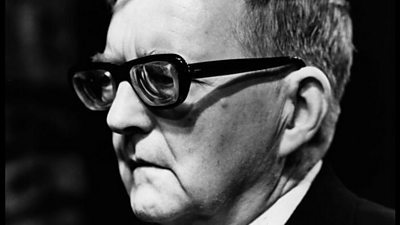
A hundred years on, the Proms explores the composers who lived through the 1917 Russian Revolution and reflected it in their music. A number of Shostakovich’s (pictured) symphonies appear, as well as his symphonic poem October and excerpts from his Ten Poems On Texts By Revolutionary Poets. Prokofiev’s Cantata For The 20th Anniversary Of The October Revolution is performed, as well as his rarely heard cantata Seven, They Are Seven, alongside Rachmaninov’s All-Night Vigil (Vespers), written just before the composer left Russia in the wake of the Revolution.
Elsewhere at the Proms
- Three operas exploring political power as a central theme: Beethoven’s Fidelio; Mussorgsky’s Khovanshchina; and Glyndebourne’s new production of Mozart’s La Clemenza Di Tito.
- Music Born Of Protest: Louis Andriessen’s symphonic movement, Workers Union, and a celebration of the music of the Stax/Volt Revue.
- Marking the 100th anniversary of Finnish Independence, an exploration of the nationalistic music of Sibelius and traditional Finnish folk music, culminating with Sibelius’s Finlandia under the baton of Sakari Oramo at the Last Night Of The Proms.
In numbers
75 Proms at the Royal Albert Hall
72 Proms Extra events at the Imperial College Union
29 premieres including 15 world premieres and 14 European, UK or London premieres
10 Late Night Proms 8 Matinees
13 Proms At... events including:
8 Proms Chamber Music concerts at Cadogan Hall
4 Last Night celebrations across the UK
- The Proms marks the 70th anniversary of partition and independence on the Indian subcontinent, with a concert of Indian and Pakistani classical music (above), curated by the culture heritage trust Darbar.
- Beethoven’s Eroica Symphony and Berlioz’s Symphonie Fantastique, both drawing on the events of the French Revolution.