University of Birmingham - World War One: Aviation Comes of Age
Available from 20 October 2014
Published: 23 July 2014
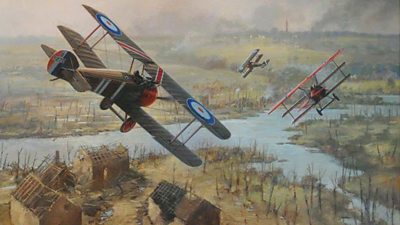
British WW1 generals are often criticised for failing to spot the potential of future technology and for placing an unshaking faith in the cavalry. But 1912 was a watershed moment, as key players within the British government realised the potential of air power: the need ‘to see beyond the next hill – and the one after that’.
From the earliest pioneers on, the idea of flight inspired a mix of excitement and fear. The first years of the 20th century saw a series of firsts, from the Wright Brothers to the first crossing of the channel.
This course looks at how new technological innovations turned the aeroplane into a machine of war and how British factories developed to supply the pilots of the Western Front with machines and ammunition.
It also examines how the aeroplane became a commercially viable tool for the first time, as passenger and mail routes begin to appear and how the government tried – and failed – to regulate the aviation industry. Learners also explore how all the key moments in the air in the Second World War follow from lessons learned during WW1.
The BBC is providing content including a specially shot video filmed at the RAF Museum in Hendon alongside the BBC iWonder guide, How Did World War One’s Battle In The Skies Change Warfare? This will accompany articles from the University of Birmingham.
Dr Peter Gray, Director of the Centre for War Studies, from the University of Birmingham, says: “The 'World War 1: Aviation Comes of Age MOOC' will be an exciting opportunity to explore the ways in which the First World War gave huge impetus to the development of air power in many countries. Throughout the period that we will be examining it is amazing how the magic of flight, and its grim military potential, really gripped the imaginations of the public, politicians and, of course, the military."
