The Open University - World War One: Trauma and Memory
Available from 03 November 2014
Published: 23 July 2014
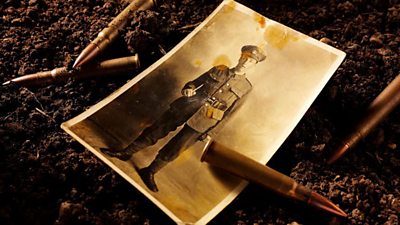
This course will teach you to question some commonly held assumptions about the First World War and its effects on soldiers and civilians.
The “war to end wars” extracted a terrible price from its participants. On average, six thousand soldiers were killed every day of the war and many more suffered horrific injuries. Even those who came through physically unhurt were psychologically scarred.
This course will focus on the trauma of war - from the physical casualties, injuries and overall casualty rates sustained by soldiers across the combatant nations to shell shock and mental trauma.
Shell shock or war neurosis on a large scale was a new phenomenon for soldiers, who volunteered to fight this war in their millions. This course will define it, consider the problems it posed and look at how it was treated.
Learners of this course will also look at how the war affected civilians on the home fronts across Europe, and discuss the issue of civilian bereavement and trauma. They will also examine the ways through which shell shock and trauma have been represented in literature, and consider our present day attitudes towards the psychological effects of wars on soldiers.
The BBC is providing a range of archive content alongside the BBC iWonder guide, Did Shell Shock Make Us Serious About Mental Health?
Dr Annika Mombauer, senior lecturer in European History from The Open University, says: “This course will teach you to question some commonly held assumptions about the First World War and its effects on soldiers and civilians. You will encounter a fascinating array of primary sources and discussions with historians, and you will learn to do your own research using online sources, and discuss your finding with others.”
