BBC buildings increasingly efficient – saving £67m a year
The BBC has made good progress in rationalising and upgrading its buildings, a report published today by the National Audit Office and BBC Trust has found.
Published: 21 January 2015
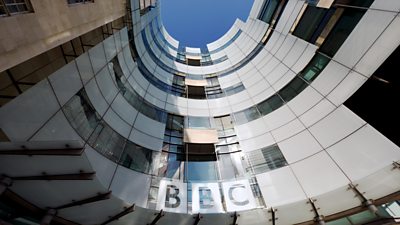
This report shows that better buildings have made the BBC a better, more efficient, broadcaster which gives licence-fee payers more for their money.
Careful property sales have reduced the number of properties and running costs of BBC buildings, which is set to save the Corporation £67 million a year.
The NAO report states,
“The BBC has reduced the size of its estate, which has helped improve efficiency. Between 1999 and 2014, the BBC reduced the net internal area of its estate by 29%, from 640,000 square metres to 457,500 square metres. This reduction coincided with an increase in its broadcast and digital output. In September 2014 it had 154 buildings in its estate. The reduction in space has significantly exceeded the reduction in staff numbers, which indicates the BBC is using its estate more efficiently.”
“The BBC has improved its use of available space… This improvement was due mainly to the BBC achieving high usage rates in the BBC's London estate, including Broadcasting House.”
“The BBC has made good progress in rationalising and upgrading its estate. It has replaced many ageing buildings with a smaller number of modern facilities that are better suited to its needs and more accessible to audiences.”
“The BBC estimates that more than 50% of its staff now work outside London compared with 42% in 2004. It has therefore met early one of the original requirements set for the estate. Around 46% of the BBC's estate, measured by floor area, is in London.”
“By using long-terms lease payments to spread development costs, the BBC kept capital costs low relative to the scale of its property developments.”
The BBC has already started to implement the report’s recommendations and further efficiencies have already been identified to ensure the costs of the estate do not increase above inflation.
Responding to the report, Anne Bulford, the BBC's Managing Director for Finance and Operations, says:
“This report shows that better buildings have made the BBC a better, more efficient, broadcaster which gives licence-fee payers more for their money.
“We’re saving £67m a year by selling off nearly a third of our buildings – the equivalent of 25 football pitches' worth of space. Selling Television Centre alone raised £200m and cuts running costs by £30m.
“This has meant we’ve met our target to have more than half of all staff working outside London a year early.”
Key facts – building more BBC for less
- Significant savings are being achieved, cutting property operating costs by £67m a year by 2017.
- The BBC now occupies 154 buildings utilising 403,687m² (as at 31 October 2014) down from 213 buildings and over 640,000m² in 2000. One hundred other property interests are mostly aerials and masts.
- Seventy-five per cent of space is concentrated in 16 ‘creative centres’ spread across the country - London, Salford, Glasgow, Cardiff, Belfast, Birmingham and Bristol comprise both office and production and broadcast facilities.
- The overall property running cost is now 4 per cent less in real terms than in 2001/02, meeting a target for property costs to be no higher in real terms.
- The average space per person reduced from 15m² (08/09) to 12m² (12/13). In London W1 it is 8.3m² per person.
- The planned disposal of buildings in the next few years will reduce vacant space to 2.3 per cent, well below the target figure of five per cent and in line with external benchmarks.
Key facts – benefits of new BBC HQ, Broadcasting House in London
- One of London’s iconic buildings blending old and new, Broadcasting House is now a state-of-the-art broadcasting centre operating 24/7/365 with a very high level of technology, and the biggest news room in Europe. Part of the original property is a Grade 2 listed building – the BBC has preserved the Art Deco architecture.
- Broadcasting House accounts for 34 per cent of the BBC’s property bill but is home to 26 per cent (circa 5,000) of total staff, produces nearly half of all output, bringing the BBC’s news operations under one roof for the first time, alongside BBC Radio and TV.
- Being in central London makes us more accessible to our audience and talent, with over 100,000 people taking the public tour round the building in the past year.
- Creating Broadcasting House has permitted the closure of a number of central London properties and buildings including Television Centre, which delivered more than £200m and saved £30m in running costs.
- The BBC is a high-profile target for disruption, protests and possibly even terror attacks, so we have a responsibility to ensure programming isn’t interrupted (technical resilience in-built) and high levels of security for staff and premises.
- Cost £31m less than the revised budget of 2006. Financial benefits more than trebled since 2003 estimate of £200m to the latest estimate of over £700m by 2033.
A BBC spokesman said:
"Broadcasting House is not comparable to other buildings. It makes around half of all BBC output, houses the biggest newsroom in Europe and broadcasts globally 24 hours a day every day of the week, which requires unique levels of technology and security.
"Construction cost £31m less than the 2006 budget stated even taking account of the preservation of the Grade 2 listed Art Deco architecture."
BBC Press Office
