Protecting birds, biodiversity and lives in Bangladesh
A journalist for nearly two decades documenting issues for communities in the wetlands and the fragile ecosystems they depend on - Khalilur describes why climate reporting is a vital lifeline.
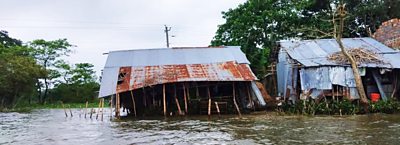
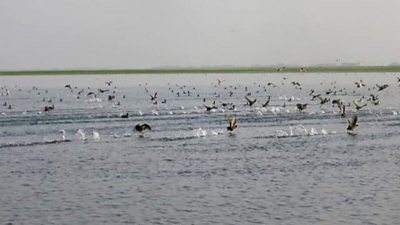
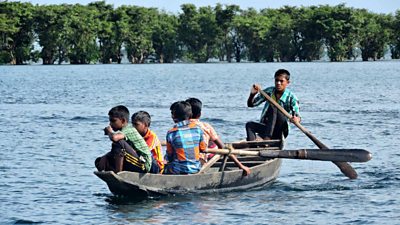
In Bangladesh’s north-east lies Tanguar Haor — one of the country’s largest and most biodiverse wetlands. Home to rare migratory birds, fish species and thousands of wetland-dependent families, it is a globally significant ecosystem now facing multiple threats: siltation, habitat destruction, hunting, and climate-driven flooding.
For journalist Md. Khalilur Rahman, Tanguar Haor is not just a story; it is home. Based in the remote Sunamganj district, he has spent nearly two decades documenting the lives of haor communities and the fragile ecosystems they depend on.
Floods happen here every year. Journalism is not just about reporting events — it’s about equipping communities with the information they need to protect their lives, livelihoods, and the environment.”
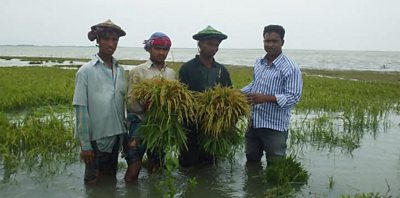
“Floods, erosion, and habitat loss are reshaping people’s lives here,” he says. “As journalists, we have a responsibility to not only report the crisis but to provide information that helps people adapt and stay safe.”
Khalilur’s reporting for Prothom Alo has revealed the sharp decline in migratory bird numbers - from 60,000 in 2018 to just 23,000 in recent years - and has amplified local voices in national debates about conservation and climate finance. His work has also prompted increased public awareness and dialogue with authorities.
“People are losing their homes and jobs. Health care and education are being adversely affected. Women and children in the area are most at risk.”
With training and support from BBC Media Action, Khalilur has shifted his focus from reactive news to proactive public service journalism. “In the past we reported on floods after they happened,” he explains. “Now we provide early information on how people can prepare, protect their assets, and access help.”
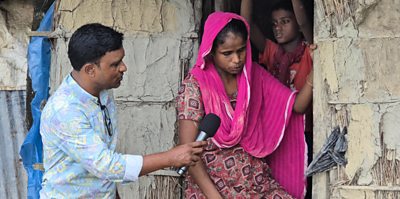
As vice-president of the Sunamganj Environment Protection Movement and co-chair of the Committee of Concerned Citizens (inspired by Transparency International Bangladesh), Khalilur continues to link local reporting with national accountability on issues like anti-corruption, climate finance, and environmental protection.
At the 2025 IUCN World Conservation Congress, Khalilur will highlight why trusted, impactful reporting is essential to biodiversity conservation. His session on Tanguar Haor will showcase how journalism can act as a bridge between communities, policymakers and global audiences — helping to secure a future for one of Bangladesh’s most vital wetlands.
--
We are an official media partner of the International Union for the Conservation of Nature's World Conservation Congress in Abu Dhabi. Find Khalil at 'Speaker's corner' alongside the rest of our journalists delegates on 9th October at 2pm (GST), and for a more in-depth session ‘Tanguar Haor: existence at stake in Bangladesh’ on 11th October at 5pm (GST).
As part of the collaboration, we will host a media pavilion throughout the Congress (9–13 October), with contributions from the BBC Studios Natural History Unit (NHU) exploring how storytelling can inspire and inform audiences on the intertwined issues of threatened biodiversity and the changing climate.
Find out more

BRIDGES at the IUCN World Conservation Congress
As an official media partner of the International Union for Conservation of Nature’s (IUCN) World Conservation Congress, we shared learning and insights from BRIDGES and other projects focused on climate and resilience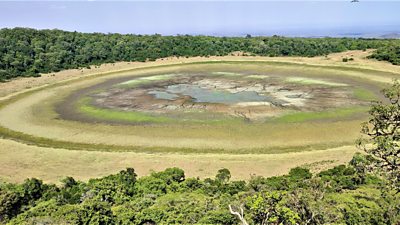
Find out more about BRIDGES
Read our project overview, our research and our press release

Search by Tag:
- Tagged with BangladeshBangladesh
- Tagged with AsiaAsia
- Tagged with Climate ActionClimate Action
