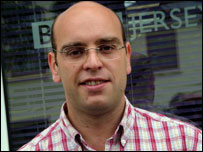
Each of the 15 Senatorial Candidates took time out of their campaign to speak to BBC Radio Jersey's Home Affairs Producer Hamish Marett-Crosby about their election platform and what they would do if they were elected. Name: Roger Bisson
Party: Independent Read a transcript of the interview with Roger Bisson below or listen to it using Real Player. Why are you seeking an island mandate? I’ve developed a wide range of policies covering all sorts of areas; childcare, taxation and development of the economy. What I would like to do is present my policies to the electorate, really to get a response and a broad base support for those policies. But what prompted you to take this step? Well, the elections for senator and deputy only come around once every three years and it is my intention to serve in the States and I thought it a good idea to present my policies at this stage in the Senatorial elections for island-wide feedback prior to standing in the deputy elections. So let’s go back then to your main policies, what are the main planks of your appeal? Well I would like to see an extension of childcare subsidies to approved parish and private sector nurseries. Subsidies have been available in the public sector for quite some time and that has created some conditions of competition between the public and private sector, which has actually increased the cost of childcare in the private sector. The second plank is reduction in the 27% marginal rate of tax for people earning between £11020 and £25000. People earning between those figures actually pay 27% of their income to the taxman, whereas if you are earning more than that effectively at the marginal rate, if you work additional hours or you have second jobs, you are actually only paying 20% if you are earning over £25000. I’d like to try to bring the taxation for low income groups into line with higher income groups. And you had a third? The third one is the introduction of tax relief on direct healthcare expenditure. Again another problem with the tax system at present is that it actually provides tax relief on healthcare insurance, so it actually incentives people to buy insurance for their healthcare in the private sector and they get private healthcare, but as we know, as people age insurances become more expensive to the point that they try to push people out of private healthcare insurance. And what I’d like to do is make sure that tax relief is available for if people don’t want to purchase private healthcare insurance but then can actually pay for their healthcare, say an operational procedure, and receive tax benefit for doing so. These are very specific items, what do you think are the main issues the states are going to have to address in the next three years? To my mind, really a lot of the main decisions about the economy, about taxation, have actually been taken; we have agreed to move towards the zero ten tax package, we’re moving into ministerial government. There will be a period of bedding in for ministerial government, so I think a lot of serious issues have already been agreed on, and it will be a case of, particularly with the tax package, massive transitions in the terms of income and expenditure. So, to introduce a lot of, or to propose a lot of far reaching policies at this stage I think, could actually unsettle that. What will be your priority? What’s you action plan? What’s number one? Number one is actually the childcare subsidies, that has really affected the ability for people to pay for childcare. And finally, and briefly, one of the first things you are going to have to do is to elect a Chief Minister, where will your vote go? At the moment I am inclined to vote for Frank Walker. That’s because I believe that he is actually experienced in that role and because of the nature of changes in terms of the tax system I think we do need a degree of stability in terms of Chief Minister. | 






 SENATOMETER

 Watch the