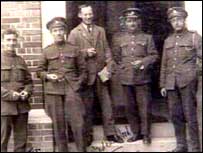
SHELL SHOCKThe First World War devastated the lives of a generation of young men. But the trauma of war didn't end when the guns stopped firing... Thousands of soldiers returned from the battlefield shell shocked from the sheer horror and fear of the war. By the end of the war, 20,000 men were still suffering from shell shock. Thousands more had experienced its symptoms during their military service. Seale Haynes in the South West was one of the medical centres brought in to deal with the trauma of the men returning from the trenches. On the front lineAcross the country, doctors were mystified by the condition that became known as shell shock. 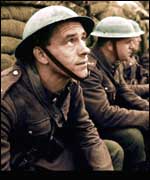 | | Soldiers were often told to face their illness in a 'manly way' |
At first shellshock was thought to be caused by soldiers being exposed to exploding shells. But doctors coudn't find any physical damage to explain the symptoms. Medical staff started to realise that there were deeper causes. Doctors soon found that many men suffering the symptoms of shell shock without having even been in the front lines. A shock to the systemMany soldiers found themselves re-living his experiences of combat long after the war had ended. Shell shock victims often couldn't eat or sleep, whilst others continued to suffer physical symptoms. Officers suffered some of the worst symptoms because they were called upon to repress their emotions to set an example for their men. War neurosis was four times higher among officers then among the regular soldiers. The war poet Siegfried Sassoon, himself a victim, describes the psychological pain of shell shock in his poem "Survivors". He talks of soldiers with "dreams that drip with murder" and their "stammering, disconnected talk". A shocking storyAt the time there was little sympathy for shellshock victims. 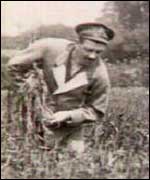 | | Shell shock victims at Plymouth's Seale Hayne were encouraged to work in the fields to forget their trauma |
Shell shock was generally seen as a sign of emotional weakness or cowardice. Many soldiers were charged with desertion, cowardice, or insubordination. The unlucky ones were subjected to a mock trial, charged, and convicted. They were then shot dead by their own side. The road to recoveryShell shock victims found themselves at the mercy of the armed forces' medical officers. Treatment was often harsh and included... - solitary confinement
- disciplinary treatment
- electric shock treatment
- shaming and physical re-education
- emotional deprivation
The 'lucky' ones were treated with a variety of 'cures' including hypnosis, massage, rest and dietary treatments. Groundbreaking Seale HayneAt Newton Abbott's Seale Hayne the approach was revolutionary for its time. 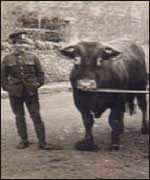 | | On the farm at Seale Hayne - a soldier forgets the misery of the trenches |
Arthur Hurst, an army major, made the only film about how shell shock victims were treated in Britain. His miracle treatments meant that he was able to cure 90% of shell shocked soldiers in just one session. Hurst took the men to the peace and quiet of the rolling Devon countryside. The men toiled on the farm, and were encouraged to use their creative energies. His pioneering methods were both humane and sympathetic. It was a miracle that literally saved the lives of dozens of shattered men. | 



 Inside Out - South West: Monday 21st October, 2002