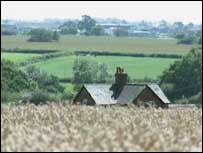
ORGANIC FARMINGOrganic farming and food is becoming increasingly popular with both farmers and the public. Inside Out visited Elbury Farm in Devon which is trying to combine organic food production with creating new wildlife habitats. Elbury Farm forms part of the National Trust owned Killerton Estate. It's also part of the Countryside Stewardship Scheme which helps farmers who are trying to improve wildlife habitats. Organic farmingFarmer John Elbury is aiming to make his farm both organic and wildlife friendly. Organic farming involves the production of food using management practices which avoid the use of agrochemical products. 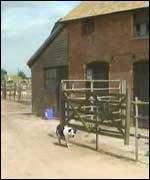 | | At Elbury Farm organic farming means a better deal for wildlife habitats |
Organic farmers aim to build up natural fertility on the farm by the recycling of manures and composts, and the use of rotations. These organic techniques minimise damage to the environment and local wildlife. This is true at Elbury Farm which is developing itself into a wildlife haven. John Elbury does not use sprays, herbicides, or artificial fertiliser. The farm's dairy herd is organic, and mixed grass is left with clover for the cows to graze on. Eating organic styleSo how does organic food compare with non organic produce? Studies show that organic food contains more vitamins, nutrients and cancer-fighting antioxidants than non-organic. Organic food also tastes extremely good, although this can come at a price if you shop at a supermarket.
We visited a well-known supermarket and compared shopping baskets containing five everyday foodstuffs. The total bill for the organic basket was £20.38 whilst the non-organic basket clocked the till at £17.22. However, there is a much cheaper option than supermarket shopping. Many people in the South West get their organic vegetables through box schemes. These schemes are not just cheaper than supermarket organic food, they are often less expensive than the cheapest foodstuffs available in the supermarket! Wildlife benefitsOrganic farming also helps to sustain soil health and fertility. 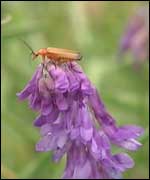 | | Organic farming is kinder to insects |
It enhances landscape, wildlife and wildlife habitats. Organic systems work in harmony with nature, and keep harmful chemicals out of the natural cycle. At Elbury Farm, the farmer's care for the edges of the field means that they are becoming a rich wildlife resource. Elbury Farm has a rich variety of birds, flowers and insects. The lack of insecticides encourages insect food for birds. Traditional birds such as linnets and swallows are encouraged by the abundance of insects and natural seeds. 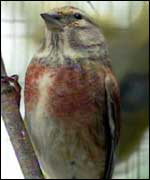 | | The linnet has been hit hard by intensive farming |
As more people embrace organic food and farming, it's worth recalling the Prince of Wales' recent statement. "Organic farming delivers the highest quality, best tasting food...with respect for the environment, while helping to maintain the landscape and rural communities." We'll be checking out progress at Elbury Farm on the Inside Out web site over the next few months.
In the meantime, why not compare organic and non-organic food for yourself? | 



 Inside Out - South West: Monday 23rd September, 2002