BIRDS IN MERSEYSIDE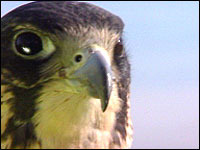 | | FALCON |a bird of prey is used to scare away flocks at Liverpool airport | | VIEW THE GALLERY |
Merseyside is now a haven for winged wildlife, due to improvements in water quality in the Mersey. Discover the amazing variety of birds in the area and how they are keeping the local airport busy. The number of birds making their home in Merseyside have increased in recent years. Ray Downward, a keen ornithologist, attributes this to an extraordinary river regeneration project. This has lead to improvements in the water quality of the Mersey estuary. Ray says, "The river is an excellent place for birds. The increase in birds has been phenomenal over the last five years." Flick through Inside Out’s photo gallery below to see some of the species flocking in Merseyside. Flight safety 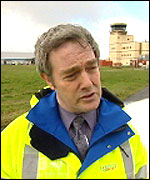 | | Ray Downward at Liverpool John Lennon Airport |
Ray’s day job also sees him concerned with flying creatures - but not just birds. He is in charge of the Bird Control Unit at Liverpool John Lennon Airport. Any birds striking an aircraft engine can cause serious damage. It’s Ray’s responsibility to reduce these hazards and keep the runway clear of birds. With the number of birds in Liverpool rising steadily, this is no easy task. Tactics Initially, the unit does this by attempting to manage bird numbers through activities including: - Landscaping
- Planning control
- Waste management
But when flocks of curlews, seagulls or starlings stray in from the Mersey, Ray and his three man team have got work to do. Rays says, "Normally… as soon as the birds see the bird control vehicle they will rise." When this doesn’t work, Ray has to employ a specially adapted loudspeaker which plays bird alarm calls. Failing this, there’s a serious alternative kept under lock and key. This is a flare pistol using pyrotechnic ammunition that scares birds away. ExperimentsRay is keen to point out that the flare gun is only used when absolutely necessary. The team have experimented with more bird-friendly methods of scaring. Inside Out observed them using a falconer to persuade a flock of geese to disperse. Although this is very natural, it does have its drawbacks. There is the argument that the birds of prey become a risk in themselves. Also, to use them effectively several birds are required. Caring and feeding for these can be time consuming and expensive. Fine line Despite their remit, the Bird control Unit want to strike a fine balance between deterring birds from the runway and scaring them from the area altogether. Rays says, "We don’t want to have too much of an impact on the ecology and the wildlife around the airport." "But safety is always the overriding issue because that’s what we are here for." For Ray, the job is a labour love. With his team’s varied tactics, dedication and skill, they are sure that the flocks of wildlife can share the skies over Liverpool with the manmade aircraft that they pose such a danger to. | 



 Inside Out - North West: Monday 10th February, 2003
 REALPLAYER REQUIRED