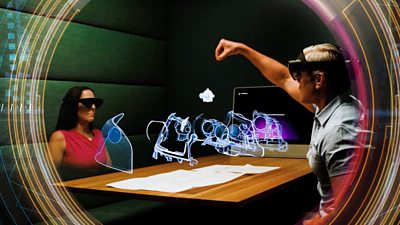
Over the years the BBC has sought not just to reflect society but to change it for the better – whether through widening access to education, countering prejudice and disinformation, developing new technology, or cultivating fresh artistic talent. This grand 'Reithian' vision, first set out in the 1920s, has been attacked many times for being paternalistic. But, as this latest release of interviews from the BBC Oral History collection shows, it’s also proven to be a remarkably durable ethos – one that insiders say has had a striking 'real world' influence.
Curated by David Hendy, Emeritus Professor, and Dr Alban Webb, University of Sussex; Dr Vicky Ball, De Montfort University; Professor John Wyver, University of Westminster; Dr Rupert Cole of the Science Museum, and Bill Thompson of BBC Research and Development.
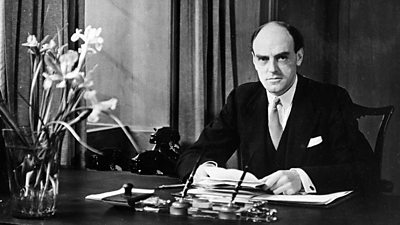
Reithianism
It’s an attitude to broadcasting that’s long outlasted Reith's own time as Director-General and still informs present-day debates. What made it endure?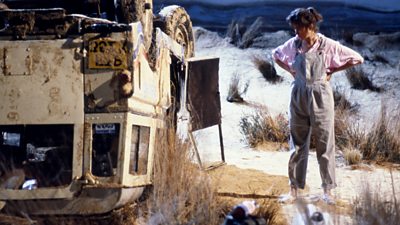
Social Revolutions
From traditional representations of women in drama on-screen in the 1930s, to the diverse and challenging representations of today.
Televising Science
Through decades of innovative programming, the BBC has connected us to the world of science - revealing cutting-edge research as well as questioning where it may take us.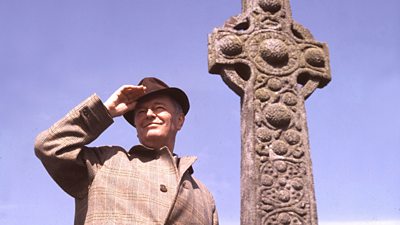
Civilisation to Civilisations
Civilisation, the landmark TV series of 1969 - why was it important, and how did its 2018 counterpart compare?
Impartiality
The BBC has always striven to be independent and impartial, but the history of the BBC is littered with rows over impartiality which made headline news.
The BBC and the Digital Revolution
The story of how BBC Online and iPlayer emerged from an exciting and complex web of people and ideas.
BBC R&D: The secret laboratory
How technology developed by the BBC has shaped the wider broadcast world for 100 years.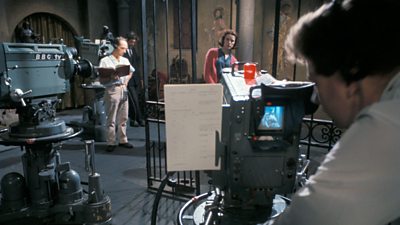
Inventing the future of television and radio drama
New writers, new ideas, and how they came to small screen drama.
Educating the Nation
From the nursery to university, the BBC’s mission to educate has become a defining characteristic of British broadcasting for the last 100 years.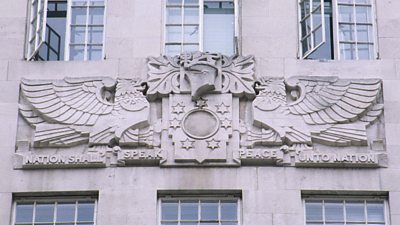
A History of the History of the BBC
The BBC is one of the few broadcasters that has taken its own history seriously. From the 1950s it began a comprehensive project devoted to looking at itself.
Discovering Talent
Dixi Stewart, Chief Of Staff to the BBC's Managing Director examines the ways in which the BBC has discovered and nurtured the creative talent of the future.
Share your Memories
How has the BBC helped you navigate 'the future'? Which programmes have engaged you with the future of science, technology or climate change? What were the successful series for you, and which didn't work?
Editorial Note
The Inventing the Future collection contains excerpts and programmes from BBC services at specific moments in time. The material should be viewed in this context and with the understanding that it reflects the attitudes and standards of that period – not those of today.
