


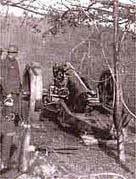
Indirect fire
Until the beginning of World War One most soldiers killed or wounded in battle had been hit by weapons plied, or missiles aimed, by enemies within sight of them: battle was, in the cruellest of ways, ‘up close and personal’ for most of its combatants, and the personal weapon, like the musket or rifle, was the principal killer.
But World War One began a period in which the ‘indirect fire’ of artillery and mortars, directed by an observer in contact with his guns, first by telephone and later by radio, caused the majority of battle casualties. Death often came from afar, in unpredictable and dehumanising ways.
- Chart the rise and rise of modern mechanised warfare
- Follow the impact on the battlefield of bigger guns and heavier shells
- Find out why some tanks became known as ‘Tommy cookers’
- Discover how shrapnel and high explosives changed the nature of war
Published: 2005-03-01

