Impact on the Countryside
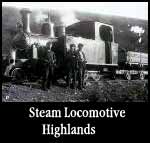 The reduced travelling time and the proliferation of rural lines meant that tourism in Scotland flourished. The west coast line, running from Glasgow to Fort William and completed in 1894 at a cost of £700,000, opened up some of Scotland's most beautiful and dramatic countryside to visitors, and the Highlands, with its bracing fresh air and magnificent countryside, became a popular holiday destination for the better off.
It wasn't only the scenery which attracted visitors - the chance to get a taste of the rural lifestyle was appealing too. Callander, for example, was the gateway to the Trossachs, where wealthy city dwellers could indulge in their favourite pursuits like deer stalking, shooting and fishing. For others the attraction of gentler pursuits like refreshing walks and wildlife held sway, but it didn't take long for a downside to be realised.
During the 1890s came the first concerns that tourism was spoiling the region.
In 1892, the introduction to The Wild Sports and Natural History of the Highlands spelt the problem out: The railways driven far into wastes of trackless bog and heather, now admit countless tourists to the most retired districts. Their taste for shooting and fishing, and the charm of a freer life than can be found in the great cities, have planted castles and shooting lodges all over Scotland. But it has pressed with great severity upon all wild life especially birds and beasts like the osprey, kite and pine marten, that are rapidly approaching extinction. The conservation-against-progress arguments continued and do so today, but for a middle-class Victorian population obsessed with Walter Scott’s fiction, ‘tartanry’, and romantic visions of the highlands, the appeal was too strong. People could live out their fantasies with the help of the railways.
The fact that, within a generation of the railway opening, people were blaming it for the extinction of animals, that it was instrumental in changing people’s diets through the faster delivery of food, that a whole new industry in locomotive construction developed in Scotland, dominating Europe by the end of the century, that it democratised travel for many people and opened up trade routes all over the world, all this meant that the railways formed the nerve centre of Victorian life.