Industry
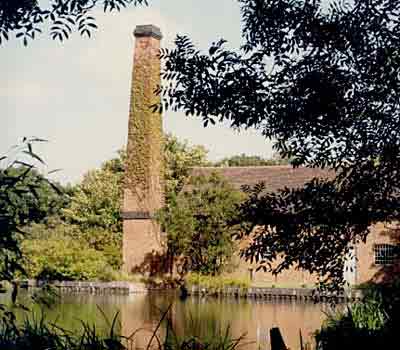
The British iron industries boomed on the back of slavery - chains, padlocks, fetters, the metal used in ship construction (slave ships were sheathed with copper), and hundreds of thousands of firearms that were shipped to West Africa to exchange for African slaves. In addition, all the tools used on the slave plantations were manufactured in Britain. Matthew Boulton developed extensive business dealings with the plantations from his factory at Soho in Birmingham. The mill above was used by Boulton for making buttons and metal rolling.
Along with James Watt, Boulton developed new steam engines that were sold to the sugar plantations, which used steam power to replace the traditional wind, water or horse power - and so needed fewer slaves. Although Boulton was an abolitionist, there were many iron manufacturers in the Midlands who objected to the abolition campaign, who argued that their business depended on the trade to and from Africa (for slaves) and with the slave plantations. In the end, the abolition of the slave trade and slavery did not undermine local iron industries. Soho Museum is an impressive link between Atlantic slavery and the early English metal industry, which supplied the equipment for the slave ships, and exports to Africa and the plantations.