Bristol and sugar
Bristol dominated the English slave trade in the first half of the 18th century. It quickly became home to a booming sugar import trade, which was not overtaken (by Liverpool) until 1799. Sugar was the most lucrative of Bristol's industries. The city's quaysides and warehouses were joined by sugar refineries (to process the crude sugars shipped across the Atlantic from the slave plantations). With a booming British market for sugar to sweeten foodstuffs, but most of all for tea, Bristol grew in prominence and civic stature.
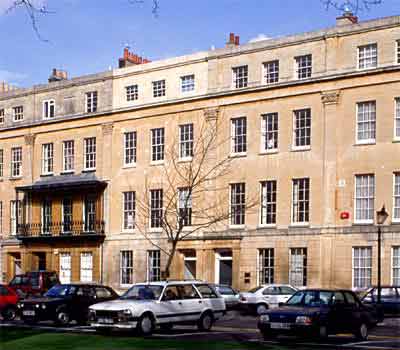
The city was home to groups of prosperous sugar merchants, and West Indian planters who returned 'home' to retire to grand houses in the West Country. Inevitably, the city contains important architectural monuments to those links. Pero's Bridge was named after a slave brought to Bristol from St Kitts by the famous planters, the Pinneys; Guinea Street; Queens Square (home to prominent sugar merchants) and the Merchants Hall (site of local Merchants Adventurers who profited from the boom in slave trading in the 18th century). Most famous perhaps is No 7 Great George St, home of the Pinneys, who were planters in Nevis, and founders of a trading house involved in the West India trade.
The Sugar House, in Lewins Mead - now a fashionable hotel and restaurant - was once a refinery and sugar house. It was here, and in similar buildings in other ports, where sugar was imported and then refined. The barrels of wet molasses and sugar were refined further locally before being cast into sugar loaves for distribution to shops. These were then sold to the armies of Britons who came to depend on regular supplies of sugar for their drink and food.
Like the tobacco warehouses in Glasgow, Bristol's sugar buildings are a reminder of the importance of imported tropical staples. They also remind us of the ways in which British life - particularly the nation's sweet tooth - is linked to the slave trade.