Grasslands and their habitats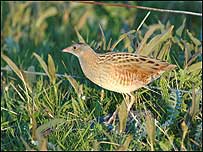 | Grasslands offer amazing opportunities for wildlife watching. Why not take a few tips from the Hands on Nature team as we get close to wildlife with activities that you can participate in at home. | | Bird watching in grasslands |
Grasslands offer amazing opportunities for wildlife watching. Why not take a few tips from the Hands on Nature team as we get close to wildlife with three activities that you can participate in at home. The remoteness of many grassland areas make them great places for bird watching.  Bird watching Bird watching
Uist is a bird watcher's dream due to its remoteness. It's a Mecca for birds especially waders such as Redshanks and Lapwings. If you look carefully, you can see just how clever these birds are at exploiting the landscape. * The Lapwing does a bit of a rain dance, not that they need the rain, but because it makes the worms think it is raining and they come even closer to the surface making them easier to be eaten. * The Corncrake is best seen in late Spring before the grass grows too high. This light brown bird tends to creep lowly through the grassland. * Listen for the Corncrake's distinctive rasping noise. Locals have nicknamed it the 'fast moving rasper'. * A good place for bird watching is the RSPB reserve at Balranald on north Uist. * Look out for migrant birds such as Dunlins with their distinctive black bellies. * Other birds to look out for are Buntings, Lapwings, Black-Throated Divers, Short-Eared Owls and Redshanks. * Don't forget to take your binoculars. * Wear clothing that camouflage into the landscape - avoid bright reds and other strident colours.  Moth and butterfly spotting Moth and butterfly spotting
The South Downs is one of the best places in Britain to go moth and butterfly spotting. * Spot the difference between a moth and a butterfly - moths have a hook that links their hindwing to their forewing which butterflies don't have. * Look out for a wide variety of butterflies on flowers in the Downs - take a butterfly guide book and note them down on a sketch pad. * For a day time moth trip - take a moth net to swish along the ground and a plastic container, but put the moths back when you've studied them. * Daytime moths include the yellow and black Hornet Clearwing which has transparent wings and a body mimicking a wasp for protection. * A night time moth trip can be an exhilarating experience. You don't need expensive equipment. Simply take a white sheet and a fluorescent strip light or strong light bulb and watch the nature show unfold before you. You can also buy a more professional kit consisting of a large light box with egg boxes in which the moths will take a rest.
* Take a moth identification book with you and count how many different types of moth you can see. *Be careful when touching the moths - let them land on you. Don't touch the butterflies. * Butterfly Conservation holds a National Moth Night every year, and local branches hold events throughout the Summer.  Flower spectacle at Uist Flower spectacle at Uist
Uist's Machair explodes into a riot of colour every year when its flowers are in full bloom. The diversity and intensity of plants on Uist's grasslands is immense making it one of the best places in Britain to go flower spotting. Top tips * July and August are the best times to see the explosion of flowers on Uist. * Take a plant book and see how many different wildflowers you can spot from Red Clover to Scottish Bluebells. * Bring a notebook to jot down the flowers you've seen and draw pictures of them. * Become a busy bee - Scottish Natural Heritage produces a publication about the many varieties of Bumble Bee in the grasslands. Look out for the Moss Carder Bee. * Don't pick the flowers - look, don't touch. Photographs courtesy of RSPB and Murray Downland Trust. | 





