Tree ferns are becoming more and more popular for the garden and D. antarctica one of the hardier varieties. The thick mass of roots form a trunk, which can eventually reach about 6m (20ft) in the wild. The foliage appears in spring from the top of the trunk, unfurling from the centre to open up into large, rich green fronds. Grow in dappled or deep shade in slightly acidic soil. In winter protect the crown by wrapping it up with straw or dead fronds. It has been given an Award of Garden Merit (AGM), which is for plants of outstanding excellence.
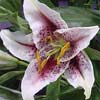
Lilium 'Star Gazer' Lily
'Star Gazer' is a popular lily that is particularly well-suited to growing in deep pots on the patio, as well as in the border. In late summer it bears large, fragrant, star-shaped, deep pink flowers with maroon spots. The bulbs are best planted in autumn while they are still plump. They should go in 2-3 times their own depth and at the equivalent spacing between bulbs. In the border, they enjoy well-drained soil in full sun, with shade at the base. Alternatively they can be planted in deep containers, using loam-based compost, such as John Innes No2.
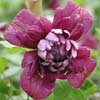
Clematis viticella 'Purpurea Plena Elegans' Viticella Group clematis
Clematis viticella varieties are the ones to go for if you have had trouble with clematis wilt, as they are immune to it. Nevertheless, it still pays to plant deeply as this protects clematis from the effects of accidental knocks at the base - new shoots can still grow up from underground. Viticella varieties are invaluable for late season flowers, continuing long after most large-flowered hybrids are over. 'Purpurea Plena Elegans' is an eye-catching, violet, double variety that looks good growing up into a medium sized tree, or teamed with another climber on a wall, building or pergola. As with all the late-flowering clematis, pruning is easy. Simply cut back the stems to a pair of strong buds 15-20cm (6-8in) above ground level before growth begins in early spring. The Royal Horticultural Society has given it its prestigious Award of Garden Merit (AGM).
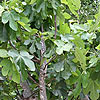
Ficus carica Fig
Figs are native trees of Syria and Persia, and have been grown in Britain since Roman times. Although the species doesn't offer a reliable fruit crop in the UK, its still worth growing for its striking, lobed foliage. Give your fig the shelter of a warm wall. For fruits, try growing one of the cultivars, such as 'Brown Turkey'.
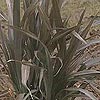
Phormium tenax Purpureum group New Zealand flax
Phormiums are New Zealand evergreen plants, and a striking element in any hot border scheme. They make bold clumps of long, often gorgeously coloured, sword-shaped leaves, with tall, open flower-spikes on mature plants. The purpureum group is one of the best to grow producing elegant long leaves of deep purplish bronze. Phormiums can be damaged by cold winds and severe frosts in some areas of the country and will benefit from some protection.
To view the panoramic image, click on the garden with your mouse and drag it around the picture. To find out about the planting hotspots in the garden, click on the leaf icon above. To start and stop the audio commentary click on the speaker icon.
If you're having problems viewing the panoramic images read our help page. Alternatively, take a look at our still photography of all of the show gardens.
"I wanted to create a garden where visitors could really picture themselves. Not in the idyllic bliss of a show garden but in their garden, with their kids tearing around, kicking footballs at mum's lovely roses, wearing patches on dad's lawn.
"This design demonstrates how a typical family could create a simple, yet smart and stylish garden catering for everyone. A large lawn, water and hard landscaping combine to create spaces for the grown-ups to relax and the kids to play, a barbecue area for entertaining and tables to sit at and eat. It accommodates the outdoor necessities often overlooked in showcase gardens, a laundry line, shed and compost bins. All the plants are readily available and easy to look after."








 "I wanted to create a garden where visitors could really picture themselves. Not in the idyllic bliss of a show garden but in their garden, with their kids tearing around, kicking footballs at mum's lovely roses, wearing patches on dad's lawn.


