Easily grown as a garden tree, it produces crisp, juicy apples. Plant in a hot, sunny site, ideally on a gentle, south-facing slope. The ultimate size and vigour depends on which rootstock it has been grafted. Thin out the young crop so that the remaining apples reach a good size and are of good quality. They should be approximately 10-15cm apart. Store the apples in a well-ventilated, frost-free place with a cold, stable temperature. Wrapping each apple in tissue helps prevent shrivelling.
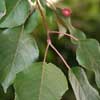
Malus 'Rudolph' Crab apple
An excellent choice for medium-size gardens because of its upright shape. This crab apple has a nice mix of bronze-red young spring leaves (turning dark green), late spring rose-red flowers, and a long show of striking, oblong, orange-yellow fruit from autumn into winter. It thrives in a wide range of soils, and while it is quite happy in partial shade, the leaves have a better bronze-red colour in full sun.
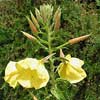
Oenothera biennis Evening primrose
There are many desirable perennial evening primroses, raised one year to start flowering from the following season, but far fewer biennials. This one, the common evening primrose that grows wild on waste ground, is a wonderful border plant that is easily raised from seed. Plants first develop deep taproots and rosettes of winter-hardy leaves and then, in the second year, branching stems appear, up to 1.2m (4ft) or even more in fertile soil. These carry the familiar, very fragrant yellow flowers, 5cm (2in) across and opening in the evening.
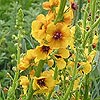
Verbascum 'Cotswold Queen' Mullein
Verbascums are stately, tall, upright-growing, border perennials that are ideal for adding height and structure to planting schemes. 'Cotswold Queen is a tall variety with deeply-veined leaves and a pinkish-purple eye. It will fit into both bold-coloured and pastel planting schemes and is equally at home in the cottage garden or manicured border. Plants have a long flowering season throughout the summer months. Cut back the flower stems after the blooms fade to encourage plants to make further flower stems. They will grow on most soils, although it's a good idea to incorporate plenty of well-rotted manure into the border before planting, to help plants establish. Keep plants well watered during hot weather to reduce the risk of mildew which can sometimes be a problem.
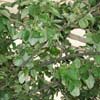
Acer campestre Field maple
A small, native british tree which can grow in full sun or partial shade so its often found at the edge of woodland and in hedgerows. It rarely grows more than 15m tall and prefers moist, fertile soil. Young leaves are reddish-purple, turning dark green when mature, with clusters of yellow-green flowers in spring. Its winged seeds are similar to most sycamores.
To view the panoramic image, click on the garden with your mouse and drag it around the picture. To find out about the planting hotspots in the garden, click on the leaf icon above. To start and stop the audio commentary click on the speaker icon.
If you're having problems viewing the panoramic images read our help page. Alternatively, take a look at our still photography of all of the show gardens.
The garden is a feature within the Darling Buds of May pavilion set in the grounds of a Kentish oast house. The orchard is filled with an abundance of fruit. A tractor and pigs and chickens roaming in their enclosures add to the countryside atmosphere. The South East of England Rare Breeds Centre has kindly provided the livestock. A path has been mown through the meadow and meanders through the trees to a beekeeper's haven where hives are tucked away.