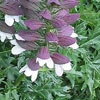
A statuesque architectural plant, with handsome dark green leaves whose stylised shapes form the decorative detail on Corinthian columns, bringing a strong hint of classical elegance to the garden. The plants make large, mound-shaped rosettes of glossy leathery leaves, finely cut and each tipped with a ferocious spine. The flower spikes resemble tall foxgloves from a distance, with hooded two-tone flowers. Once established it is virtually impossible to move plants so correct positioning is vital. A dramatic plant for growing in gravel or grass, or at the back of a large border. The Royal Horticultural Society has given it its prestigious Award of Garden Merit (AGM).
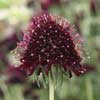
The almost black flowers of this short-lived perennial have caught the eye of many admirers. It is easy to grow in a sunny or partially shaded spot in well-drained, neutral to alkaline soil. Dead head regularly to prolong flowering period. To propagate new plants, take cuttings in spring.
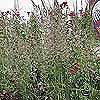
Calamagrostis x acutiflora 'Overdam' Striped feather reed
One of many excellent grasses which tolerate a wide range of soils, and can be relied on to flourish year after year. 'Overdam' makes a thick, slightly arching clump of thin, vertical green leaves which are variegated white, the new leaves having a pink tint in spring. The summer plumes rise above the leaves, and are quite effective even when they are spent. If the foliage starts looking a bit tired and jaded after midsummer, you can cut it back to force up a fresh new batch of leaves.
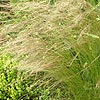
Stipa tenuissima Feather grass
A neat, compact, perennial grass, this has lots of close-packed, stiff, thread-like stems forming a strongly horizontal shape about 60cm (2ft) tall. In summer, plants are covered with masses of elegant pale feathery seed-heads which are held a little above the foliage. These can be cut and dried when first opened for use in winter arrangements indoors. Alternatively they make a useful winter food source for finches and other seed-eating birds. Plants like a sunny well-drained spot and associate well with compact alstroemerias, rock plants and other grasses that enjoy similar growing conditions. To propagate, divide plants from mid-spring to early summer.
To view the panoramic image, click on the garden with your mouse and drag it around the picture. To find out about the planting hotspots in the garden, click on the leaf icon above. To start and stop the audio commentary click on the speaker icon.
If you're having problems viewing the panoramic images read our help page. Alternatively, take a look at our still photography of all of the show gardens.
"The garden encapsulates what the young people who live with Centrepoint would like to see in their ideal hostel garden. Here they can find peace and solace and children of the young mothers who live in the hostels have a safe place to play. I have included space for them to grow fruit and vegetables and learn about healthy eating. It's also a showcase for an exciting new Centrepoint initiative - the Horticultural Apprentices Scheme, where young people are trained in horticulture by Capel Manor horticultural college.
"The garden can be walked through by the public and includes a sunken sitting and dining area, where young people meet and socialise in a beautiful environment and a calm chill-out area, where young people struggling with problems, frustration and anger can find a little solace."







 "The garden encapsulates what the young people who live with Centrepoint would like to see in their ideal hostel garden. Here they can find peace and solace and children of the young mothers who live in the hostels have a safe place to play. I have included space for them to grow fruit and vegetables and learn about healthy eating. It's also a showcase for an exciting new Centrepoint initiative - the Horticultural Apprentices Scheme, where young people are trained in horticulture by Capel Manor horticultural college.


