BBC Radio 5 Live

Summary

  • An exclusive poll conducted by Savanta for Radio 5 Live suggests three in ten people (30%) who have experienced or witnessed anti-social behaviour (ASB) in their local neighbourhood say it’s made them feel unsafe walking alone in their area.

  • Just over half of UK adults (52%) say they are not confident in the ability of the police to tackle ASB in their local area.

  • Responding to Radio 5 Live’s survey findings, the Victims’ Commissioner for England and Wales, Baroness Newlove said the government must act to give victims of persistent anti-social behaviour the “help and support they deserve”.

  • The Home Office said: Policing Minister, Chris Philp, said: “Since 2010 our communities are safer, with neighbourhood crimes down 50% and serious violence down 52%".

  • Get involved by texting 85058 or phoning 08085 909 693

  1. That's all from us!published at 14:04 GMT 8 January 2024

    That's the end of our Policing the UK live feed, thanks for joining us.

    Throughout January 5 Live will continue looking into your experience with the police on the streets of Britain, to being a new recruit and community outreach,‘Policing The UK’ takes an in-depth look at our police force in 2024.

    To see more Policing the UK content, click here.

    Goodbye for now.
  2. Anti-social behaviour has an impact on mental health and wellbeing’ - Baroness Newlovepublished at 14:00 GMT 8 January 2024

    Baroness Helen Newlove, the current Victims' Commissioner, said [ASB] is like "an invisible chronic illness because you can’t see anything, people think you’re fine".

    "It has an impact on your mental health and your wellbeing."

    Speaking to 5 Live Naga Munchetty, she said: "On the Victims and Prisoners Bill, anti-social behaviour victims are overlooked and not even recognised."

    She adds: "This is my challenge to government; persistent anti-social behaviour victim should have the right support like any other victim."

    If you've been affected by any of the issues discussed, please visit bbc.co.uk/actionline

    Media caption,

    Baroness Helen Newlove, said [ASB] is like “an invisible chronic illness".

  3. 'More needs to be done, people are living in hell' - Victim of anti-social behaviourpublished at 13:48 GMT 8 January 2024

    Chloe spoke to 5 Live Breakfast about the behaviour in her new flat.

    She described there being high levels of activity around the area; "[the property] smelled of crack, people were banging on the windows downstairs, I was being stalked to my car".

    Chloe grew up with a history of domestic abuse and admitted her experiences of anti-social behaviour (ASB) were triggering for her.

    "I hit bottom last year, [which] was pretty much what it was like emotionally to not feel safe in your home", she said.

    Chloe said how she felt little empathy or support from the local council or police.

    "It just feels like more needs to be done because people are living in hell and I know there's other people that are going through this", she finished.

    If you’ve been a victim of crime, details of organisations offering information and support are available at bbc.co.uk/actionline.

  4. Sussex Police chief on 'immediate justice' approach to anti-social behaviourpublished at 13:40 GMT 8 January 2024

    Andy Saville, lead for ASB at Sussex Police, highlights the restorative approach they take to cases of anti-social behaviour (ASB) through their trailblazing scheme 'Immediate Justice'.

    "We're also providing education to children, young people and adults to really recognise the impact and harm they have caused", Andy said.

    He also told 5 Live's Nicky Campbell the misconception that ASB is done only by young people - adding that it is "adults too".

    Sussex Police are one of ten pilot areas in England which seek to boost the voice of the victims in these cases, by asking the perpetrators what they would like to see put back into their communities.

    Media caption,

    Andy Saville, of Sussex Police, details their piloted 'Immediate Justice' approach to ASB.

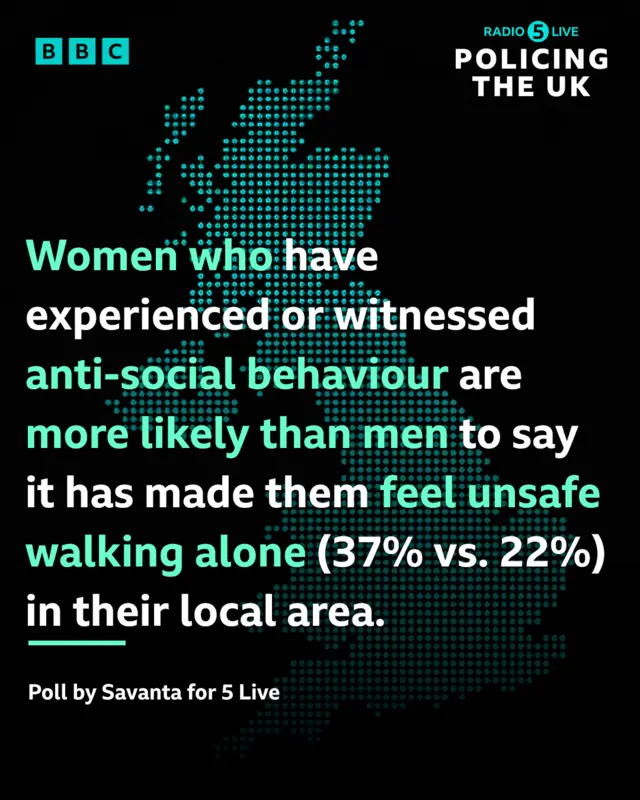
  5. How safe do women feel compared to men?published at 13:23 GMT 8 January 2024

    Polling company Savanta conducted a survey on behalf of 5 Live. Here's what the survey found about women who had witnessed or experienced ASB:

    Statistics graphic
  6. More from 5 Live's callers on anti-social behaviourpublished at 13:13 GMT 8 January 2024

    We've been hearing all morning from callers about their experiences of anti-social behaviour (ASB).

    David from Yorkshire has been suffering ASB and abuse from his neighbours for the last 15 years. He said there's been abuse of property, trespass and he has even been "threatened with dog attacks".

    He feels that he can’t trust the police anymore, due to continued inaction, such as there being "insufficient evidence" of behaviours from the neighbours, despite 200 incidents on CCTV, and 6 years worth of emails and evidence.

    After a meeting with the police and his neighbours, they were issued an "acceptable behaviour contract", which was breached within four days. He was then told by the police that they couldn’t enforce said contract, and nothing could be done about it.

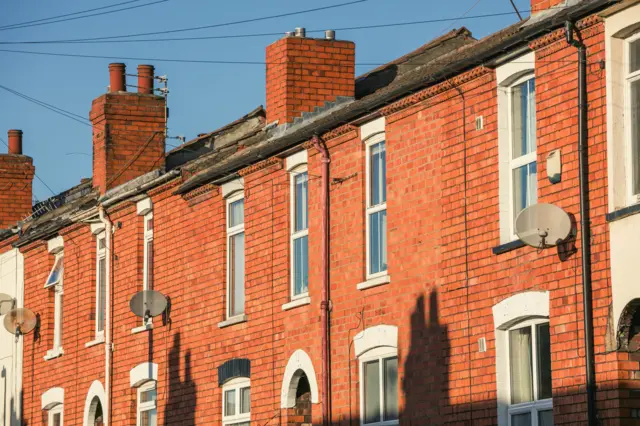
    A row of terraced housesImage source, Getty Images
    Image caption,

    Terraced houses

  7. 'ASB has a devastating impact on victims'published at 13:03 GMT 8 January 2024

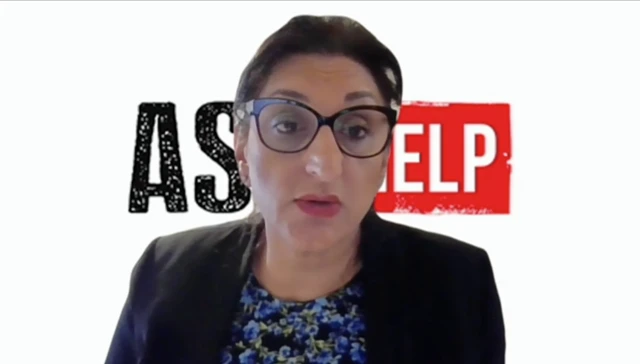
    Harvinder Saimbhi is the CEO of ASB Help, a registered charity in England and Wales set up to provide advice and support to victims of anti-social behaviour.

    She told Naga Munchetty the nature of the issues victims struggle with: "We hear about [people] being frightened, not leaving their front door or not let their kids go to the park".

    "It has an absolutely devastating impact on those victims".

    Discussing how victims approach a resolution, Harvinder explained "communication is the biggest issue... they don’t know what's happening to their case, they haven't had an update and often they think it’s only the police that can actually tackle the issues", she said.

    "The tools and powers introduced in the Anti-social Behaviour Policing Act give power to the local authority and the police to tackle the issues in a partnership".

    Harvinder Saimbhi, CEO/head of ASB HelpImage source, Harvinder Saimbhi/ 5 Live Policing the UK
  8. 'I became suicidal' - Victim of anti-social behaviourpublished at 12:49 GMT 8 January 2024

    Hughie bought his dream house in the South East four years ago, but it quickly turned into a "living nightmare". The alleyway next to the house was a popular spot for drug dealing and prostitution.

    After feeling unheard by the local council, Hughie decided to confront the abusers".

    "I became suicidal and thought my only alternative was to protect my family and try and confront the abusers.

    Speaking to 5 Live's Naga Munchetty, Hughie said he was attacked four times, "hit with a bottle twice, punched in the face, they threatened to burn [his] house down and kill [his] wife and kids".

    Eventually, it had to take a police officer and two local councillors to pay for gates in the alleyway to stop this behaviour.

    "That’s stopped 90% of the abuse", he said.

    If you've been affected by issues discussed, please visit bbc.co.uk/actionline.

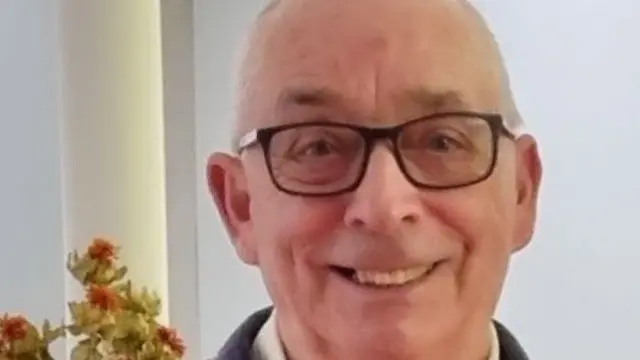
    HughieImage source, Hughie/ Radio 5 Live
  9. More from our listeners on their experiences of anti-social behaviourpublished at 12:37 GMT 8 January 2024

    Antonio from Chatham says his parents were harassed for years after being the victims of a serious crime. They were labelled as informants and had people "banging at the door" and throwing "brick and stones at the windows".

    He says his parents went away over Christmas 2018, when his mother sadly passed away, and they returned to find the "house destroyed" and the housing association attempting to evict his father.

    He questions if the legal team "taken a similar stance" with the people causing the damage as they had with his parents, whether that would have deterred them.

    Anne [not real name] in Surrey says she was targeted after reporting a woman in her block of flats dealing drugs. She and one of her neighbours were threatened to the point where she left and "stayed with a friend" for six months before she could move out completely.

    She also dealt with groups of people "regularly" standing outside of her bedroom window “smoking cannabis, which went straight into the vents” into her bedroom.

    She said within six months "the place looked horrendous and there was dog mess everywhere" that no one was cleaning up.

    Police car and police tapeImage source, Getty Images
  10. 5 Live listeners have been sharing their experiences of anti-social behaviourpublished at 12:27 GMT 8 January 2024

    'Sue' from Middlesbrough [not real name] rents a local authority home and feels that large groups of children "seem to run the streets", patrolling on bikes and scooters.

    Speaking to 5 Live's Nicky Campbell, she expressed sympathy for the traffic on the estate, saying that buses and cars are "targeted" and often have litter and stones thrown at them.

    'Sue' questions why there are seemingly many measures in place, such as cameras and council patrols, when “nothing seems to be done”.

    An off-road bike also collided with her vehicle and had groups of antisocial children at the local shopping arcade where she felt "intimidated to walk past them or through them".

    'We were threatened by one of our neighbours'

    Siobhan in Washington experienced anti-social behaviour and had to move house because of it.

    "We were threatened by one of our neighbours, and by threatened I mean he was threatening to beat up my husband who is registered blind. He was up in my face on my doorstep."

    She adds that "this neighbour has threatened a number of neighbours.

    "One of them he threatened with a machete which he was arrested for. Because of a lack of physical evidence, he was released the next day and started harassing us again.

    "He got arrested again because this time he was threatening my husband.

    "I’ve had to go on medication to sleep", she adds.

  11. How does anti-social behaviour affect UK adults?published at 12:18 GMT 8 January 2024

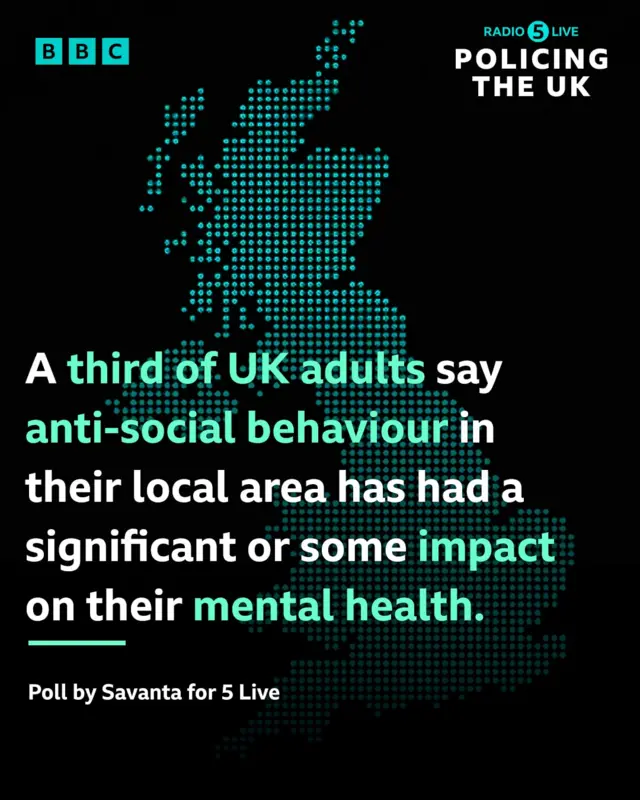
    Polling company Savanta conducted a survey of 2,000 UK adults on behalf of 5 Live. Here's what the survey found about mental health:

    Impact that anti-social behaviour has on mental health
  12. Listeners got in touch with their thoughts...published at 11:56 GMT 8 January 2024

    We've been hearing from 5 Live listeners on the subject of anti-social behaviour. Here are some of the texts that have been coming through

    "I have been listening to the calls on ASB. The only way to tackle this is by a whole community approach; residents of all ages schools, businesses, councils, housing associations charities and especially Neighbourhood policing."

    "Just retired from a major city police force.....it's all down to numbers of officers.......makes me fume. Senior officers out of touch."

    "Why are we so understanding of the lack of resources. Police use this excuse for everything. They don’t investigate burglaries, shoplifting, car theft, ASB. The list gets longer and longer and will continue to do so as long as we continue to accept underfunding of the police."

    Two Police officers on patrolImage source, Getty Images
  13. Home Office statement on anti-social behaviourpublished at 11:29 GMT 8 January 2024

    On behalf of the Home Office, Policing Minister Chris Philp, said:

    "Since 2010 our communities are safer, with neighbourhood crimes down 50% and serious violence down 52%. But everyone has the right to feel safe and live without fear in their communities, which is why tackling anti-social behaviour has always been one of the Prime Minister's priorities.

    "Last year we launched our Anti-Social Behaviour Action Plan backed by £160 million of funding, which includes providing a range of police forces with more funds to increase patrols in hotspot areas of anti-social behaviour.

    "Some police forces have reported a 36% decrease in anti-social behaviour since the scheme was launched - and we'll be rolling this out across the country later this year."

  14. 'Trust in the police is declining’ - Support workerpublished at 11:19 GMT 8 January 2024

    Jane is an anti-social behaviour support worker with Catch 22, which has given evidence to the Victims and Prisoners Bill.

    Speaking to Radio 5 Live, she says less people trust the police and are less willing to engage in the process of reporting because “they feel it's not going to be seen as a criminal offence".

    “This is a huge problem.”

    She would advise those who experience anti-social behaviour “to report it to the police, housing and if necessary, regarding noise nuisance, to the environmental health agency”.

    “Regardless of how small the incident appears to them, they need to continuously keep diaries, keep a log, keep making those phone calls, and be persistent.”

    Jane’s advice is to always report it because “if it's not reported, then it's not recorded.” “You can report online.”

    She adds: “During Covid, there was an increase of referrals, and more people are reaching out for support.”

    Police OfficerImage source, Getty Images
  15. Baroness Newlove 'not shocked' by 5 Live survey into anti-social behaviourpublished at 10:51 GMT 8 January 2024

    Baroness Helen Newlove, the current Victims' Commissioner, reflects on our survey into the extent of anti-social behaviour (ASB).

    She told 5 Live Breakfast she is "not shocked- I get more angry that people are suffering in silence".

    Helen's husband was murdered in 2007 by a gang in an anti-social behaviour case.

    She also called on the police to recognise ASB as a crime higher than 'low level'.

    Adding: "I will keep saying it's not low level and you shouldn't start from that baseline".

    Media caption,

    The current Victims' Commissioner says anti-social behaviour is overlooked by police.

  16. How do the general public feel about anti-social behaviour?published at 10:33 GMT 8 January 2024

    An exclusive online survey of 2,000 UK adults conducted by polling company, Savanta, on behalf of BBC Radio 5 Live suggests three in ten people (30%) who have experienced or witnessed anti-social behaviour in their local area say the behaviour has made them feel unsafe walking alone in their area.

    Click here, external to read the full published findings online.

    Policing in the UK image
  17. Essex Police Chief: 'We are investing a huge amount' in tackling anti-social behaviourpublished at 10:11 GMT 8 January 2024

    The Deputy Chief Constable of Essex Police has said how they're investing massively into tackling anti-social behaviour (ASB).

    "We are investing a huge amount in making sure front line officers and staff recognise how much ASB can have", Andy said.

    Media caption,

    Andy Prophet says the impact of anti-social behaviour is critical to their work.

  18. What is anti-social behaviour?published at 10:05 GMT 8 January 2024

    Anti-social behaviour (ASB) is defined in the The Crime and Disorder Act (1998) as 'Acting in a manner that caused or was likely to cause harassment, alarm or distress to one more persons not of the same household'.

    Examples of ASB are varied and include things such as vandalism, littering, misuse of vehicles (Cars, bikes, mopeds etc), drug dealing, intimidation, excessively barking dogs, nuisance, noisy or abusive behaviour, and public drunkenness.

    The Met police says there are three main categories of ASB:

    1. Personal ASB (when a person targets a specific individual or group).
    2. Nuisance ASB (when a person causes trouble, annoyance or suffering to a community).
    3. Environmental ASB (when a person’s actions affect the wider environment, such as public spaces or buildings).
  19. Listen live: Your experience of anti-social behaviourpublished at 09:46 GMT 8 January 2024

    BBC Radio 5 listeners are describing their experiences of policing in response to an online survey of 2,000 UK adults conducted by polling company, Savanta on behalf of Radio 5 Live.

    You can listen by pressing play button at the top of this page.