IMAGE ONE:
Una Marson (centre) introduced Uriel Porter, Gladys Taylor, Ike Hatch, and Lionel Trim, during a BBC broadcast to the Caribbean in 1941.
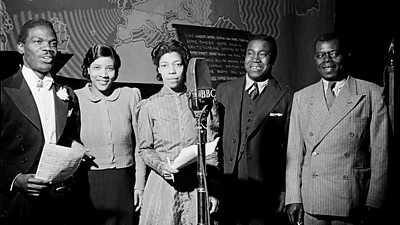
IMAGE TWO:
The Wednesday Play: Fable, broadcast in 1965, was a play where those in authority were black, and white people their social underlings.
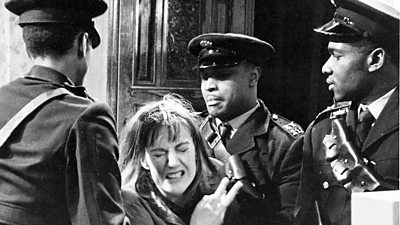
IMAGE THREE:
Juliet Alexander and Vince Herbert presented Ebony and a range of other programmes for the Black British community from 1982-1990.
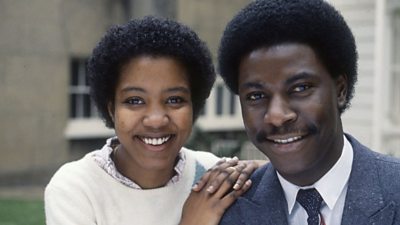
IMAGE FOUR:
Linda Mitchell was the BBC’s first Head of Diversity from 2000-2003.
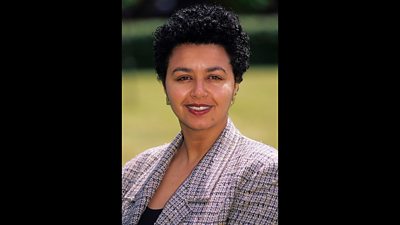
IMAGE FIVE:
Mahendra Kaul OBE was presenter of all the major BBC Asian TV programmes between 1968-1982.
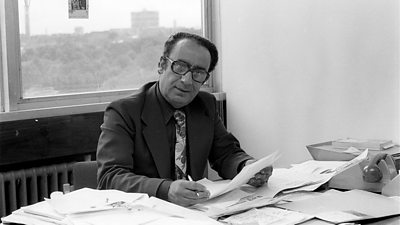
IMAGE SIX:
Having joined the BBC in 2007, Ryan Shiotani is now leading services, marketing, creative, content and affiliate BBC sales teams in Southeast Asia and India.

IMAGE SEVEN:
Noreen Khan is a regular BBC Asian Network presenter with Desi music, Bollywood news and entertainment.
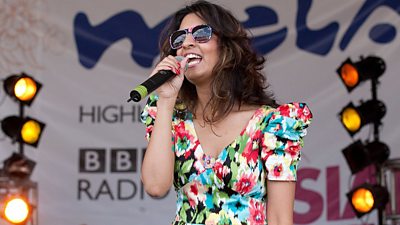
IMAGE EIGHT:
From BBC Radio 5 Live reporter to main anchor of BBC News bulletins, Reeta Chakrabarti has covered nearly every major news event since 1994.
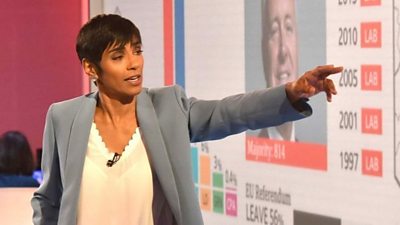
IMAGE NINE:
International wheelchair basketball player and BBC TV presenter Ade Adepitan, has become a household on-screen name in the UK.
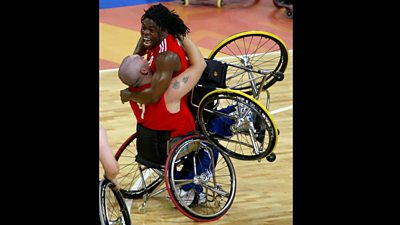
IMAGE 10:
Actress Liz Carr is a regular on Silent Witness. Living with Arthrogryposis Multiplex Congenita, Liz is a wheelchair user, and her important and central role in the series has improved visibility for disabled people on-screen.
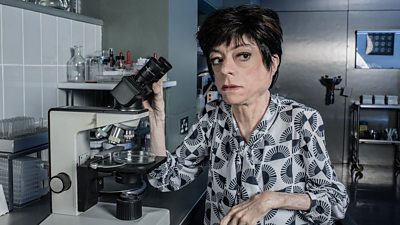
IMAGE 11:
Peter White first presented In Touch, BBC Radio 4's programme for the blind community in 1974, and since 1995 he has been the BBC's Disability Affairs Correspondent.
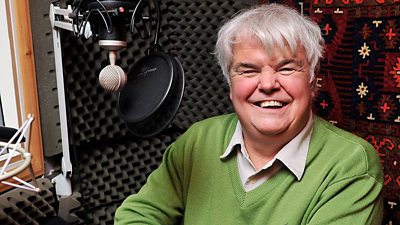
IMAGE 12:
Baroness Tanni Grey-Thompson is one of the most successful Paralympians, winning medals at five Paralympic Games. She is now a BBC non-executive director.
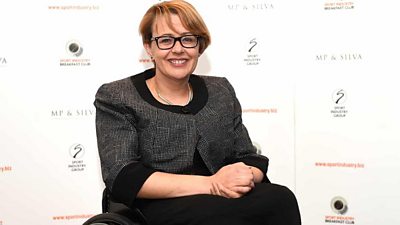
IMAGE 13:
It is commonly thought the first gay kiss on BBC TV was seen in Eastenders. Not so. In fact it was in BBC Two's production of Edward II by Christopher Marlowe, 1970.
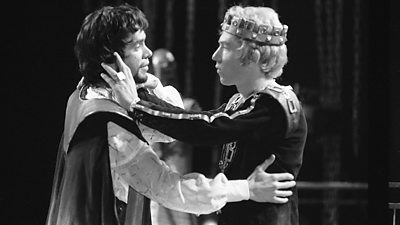
IMAGE 14:
BBC TV hit the headlines in 1979 with a ground breaking fly-on- the-wall documentary, following Julia Grant as she transitioned.
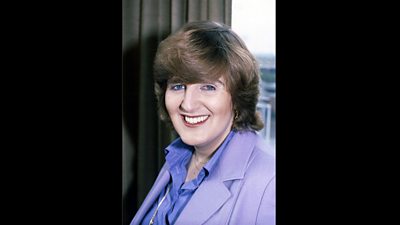
IMAGE 15:
Never shy in being a publicly ‘out’ BBC TV news journalist, Jane Hill continues to front BBC events discussing the representation of the LGBTQi+ community in BBC output.
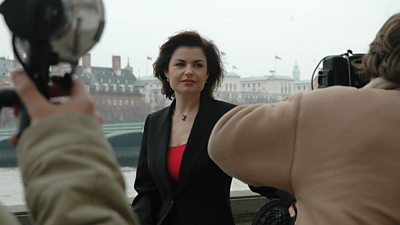
IMAGE 16:
Johannes Radebe and Graziano di Prima performed together in Strictly Come Dancing. Despite their positive representation of gay life on the dance floor, the couple’s performance still produced a flurry of complaints to the BBC.
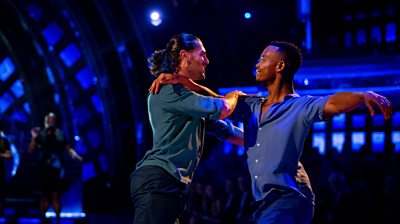
IMAGE 17:
Depictions of older lesbian couples are still rare on BBC TV. The characters Bernie Wolfe and Serena Campbell broke the mould in Holby City in 2018.
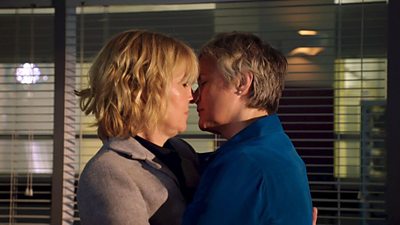
IMAGE 18:
Jean Sheridan, was an Irish Traveller evicted from Dale Farm, in Essex, once Europe's largest traveller site. The dramatic evictions took place in 2011. The incident was one of the few moments on BBC News when the Irish Traveller community’s voice was heard.
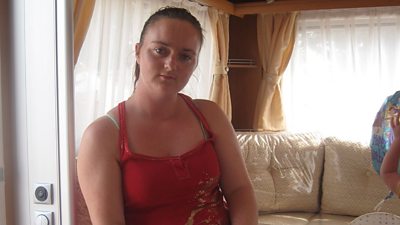
IMAGE 19:
Roma presenter and writer Damian Le Bas, was one of the first broadcasters to tell the Roma story from his own community’s perspective, with Betsy Mobey, David Donaldson, Jonathan Lee, Lisa Smith, and Johnson Welch, all members of the European Roma Rights Centre at the Appleby Horse Fair, June 2018.
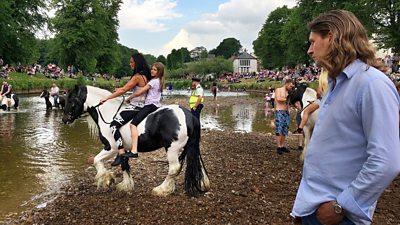
IMAGE 20:
The famous 'class sketch' from 1960s satirical comedy series The Frost Report, which featured John Cleese, Ronnie Barker and Ronnie Corbett.
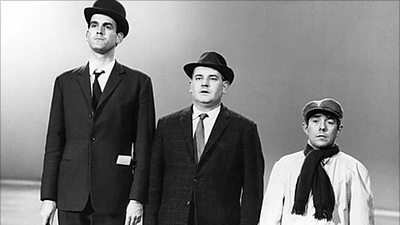
IMAGE 21:
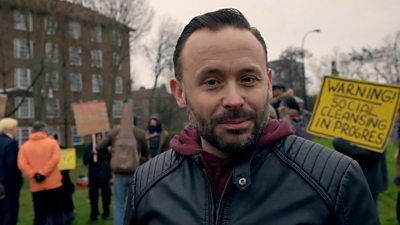
Johnny Speight was a working class writer responsible for the timeless classic ‘Till Death us do Part, amongst others. Born in Canning Town, London, his raw depiction of everyday life was full of comedy and controversy in equal measure.
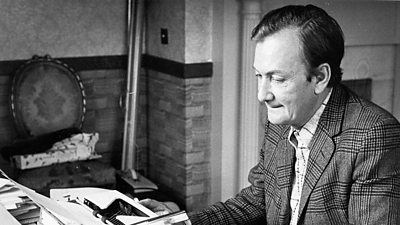
IMAGE 22:
Wendy Richard as Pauline Fowler, Gretchen Franklin as Ethel Skinner and June Brown as Dot Cotton, in a very early Eastenders,1985.
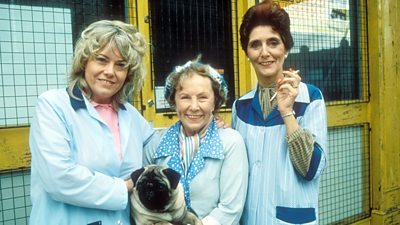
IMAGE 23:
Love across the class divide in the 2020’s. Paul Mescal plays Connell in Normal People.
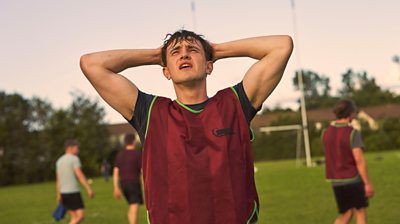
IMAGE 24:
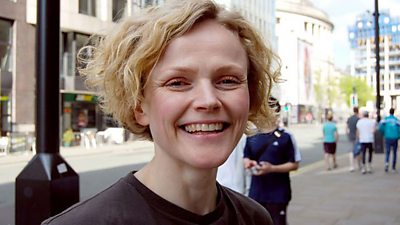
Now a regular on BBC TV, Maxine Peake is still shocked at the lack of working class women on-screen. She struggled to name more than one other British working-class actress in a 2011 Radio Times interview.