| | | | | | | |||||||||||||||||||||||||||||||||||||||||||||||||||||||||||||||||||||||||||||||||||||||||||||||||||
| | ||||||||||||||||||||||||||||||||||||||||||||||||||||||||||||||||||||||||||||||||||||||||||||||||||||||||
|
About us | ||||||||||||||||||||||||||||||||||||||||||||||||||||||||||||||||||||||||||||||||||||||||||||||||||||||||
It all began with a World War II programme Calling the West Indies. This programme began in 1939 featuring West Indian troops on active service during WW II reading letters to their families. It also included entertainment and appearances by high-profile West Indians. After WW II, from 1943 to 1958, the output became a programme called Caribbean Voices, highlighting West Indian writers. Its producers and contributors included VS Naipaul, George Lamming, Andrew Salkey and Samuel Selvon who all went on to make their names in the world of literature. The programme team also included many producers who went on to make their names in Caribbean politics, including Michael Manley, Tom Adams, and Eugenia Charles who became, respectively, the prime ministers of Jamaica, Barbados, and Dominica.
In 1949, We See Britain was introduced as part of the programming for the Caribbean under the management of cricketer-turned-producer Ken Ablack. Over the next three decades, the Caribbean Service nurtured producers and presenters, including Trevor McDonald who became one of the best-known newsreaders on British television and Jones Madeira who returned to the Caribbean to work with Caricom and many regional broadcasters. Reopened The Service closed in the mid-1970s, but in 1988 it re-opened as a news and current affairs department.
It started with a 15-minute evening drivetime programme BBC Caribbean Report. That programme was extended to a short morning drivetime news edition and then a weekly BBC Caribbean Magazine programme which dealt with cultural issues and the human face of the news agenda. As a news programme, Caribbean Report set the morning news and current affairs agenda across the Caribbean and provided a platform for the Caribbean's movers and shakers to talk to one another. From hurriances to trade to cross-regional politics, the Service developed a network of 50 FM partner stations in the Caribbean and the US who used the short drivetime programmes as part of their own schedules. The Service also grew to four 24x7 FM relays in Jamaica, Trinidad and Tobago, Barbados and Antigua.
In 2010, the Caribbean Service worked with BBC News to launch a month-long lifeline programme in Creole for the people of Haiti after the January 2010 devastating earthquake. The programme, Connexion Ayiti, won the BBC an award from the Association of International Broadcasting in 2010. In 2011, news came that the BBC planned to cut the Caribbean Service, alongside other cuts in radio at the Corporation. It's a "sad day for the Caribbean" wrote one online columnist, P T Freeman. Freeman added: "Sadly, no other regional radio broadcasting service, commercial or otherwise, gives a round-up of events in this part of the world like the BBC did." " The vast majority of news organizations don’t understand the complexity of the region." Following an inquiry by the British parliament's Foreign Affairs Select Committee into the closures, the committee's report suggested in April 2011 that the World Service should be ring-fenced against spending cuts. The Committee concluded: "We share the assessments of the observations made by commentators, institutions, statesmen and the Government: the World Service is a "jewel in the crown" which promotes British values across the globe and has a reputation exceeded by none. In an era dominated by the media and the internet its influence becomes increasingly relevant." |
EXTERNAL LINKS The BBC is not responsible for the content of external internet sites | ||||||||||||||||||||||||||||||||||||||||||||||||||||||||||||||||||||||||||||||||||||||||||||||||||||||||
| |||||||||||||||||||||||||||||||||||||||||||||||||||||||||||||||||||||||||||||||||||||||||||||||||||||||||
 | |||||||||||||||||||||||||||||||||||||||||||||||||||||||||||||||||||||||||||||||||||||||||||||||||||||||||


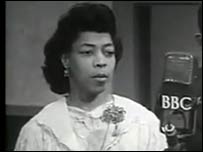
 See a film on West Indies Calling
 George Lamming speaks to Debbie Ransome