



 | | | | | | | |||||||||||||||||||||||||||||||||||||
| | ||||||||||||||||||||||||||||||||||||||||||
|
In pictures: Haiti awaits election outcome | ||||||||||||||||||||||||||||||||||||||||||
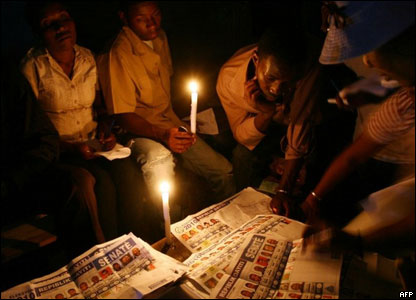
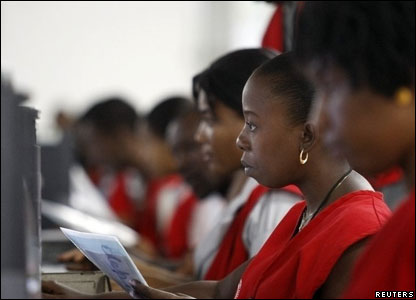
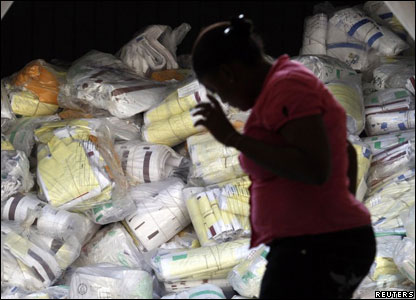
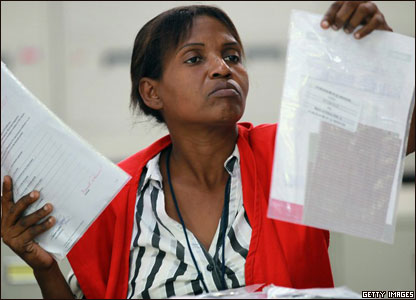
Vote-counting began soon after polls closed with some election officials working in far from ideal conditions.
The scrutiny of ballots is continuing. International observers said the elections were valid despite "serious irregularities".
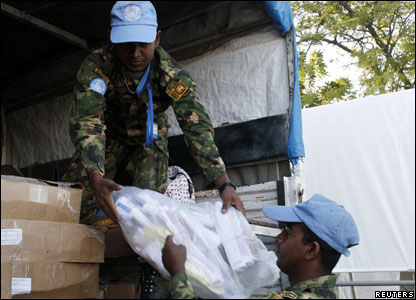
The UN peacekeeping mission, Minustah, helped to administer both the poll on the day and now the counting of ballots.
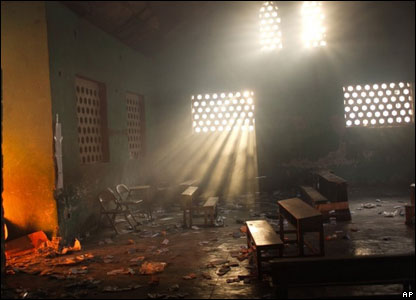
There were some outbreaks of violence, with polling stations trashed. Many Haitians said the election was mismanaged.
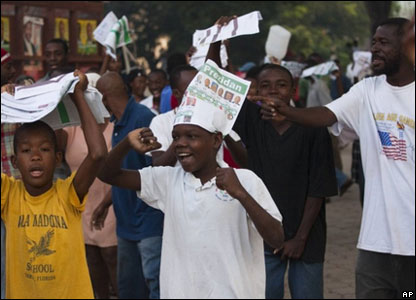
There have been numerous demonstrations but many of the protests have been good-natured.
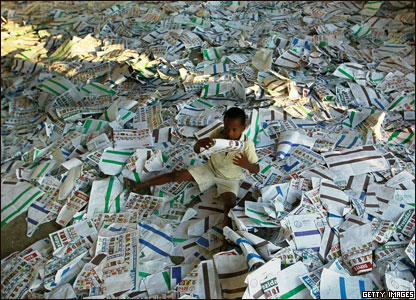
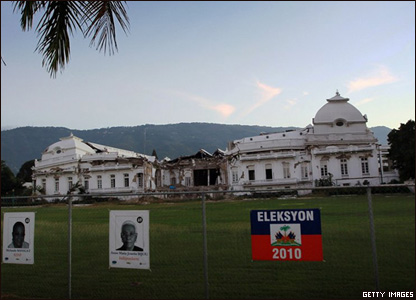
The streets of Port-au-Prince, where piles of rubble from January's earthquake still abound, are now also littered with discarded and unused ballot papers.
With the final tally of first round votes not due until 20 December, chronically unstable Haiti is now set for a period of political uncertainty.
If, as expected, no candidate from the field of 18 receives more than 50% of the vote, there will be a run-off on 16 January.
By then, it will be more than a year since a devastating earthquake struck Haiti, reducing much of its infrastructure to rubble and killing more than 200,000.
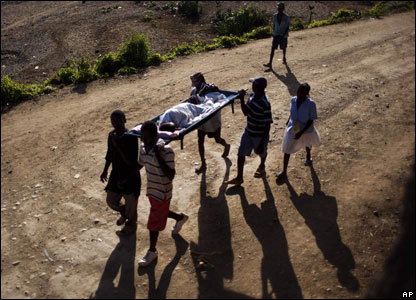
The country's challenges have only increased in recent weeks with the outbreak of cholera that has left thousands ill and more than 1,700 dead.   | |||||||||||||||||||||||||||||||||||||||||||
 | |||||||||||||||||||||||||||||||||||||||||||


 Archive