



 | | | | | | | |||||||||||||||||||||||||||||||||||||
| | ||||||||||||||||||||||||||||||||||||||||||
|
Slowdown hits remittances | ||||||||||||||||||||||||||||||||||||||||||
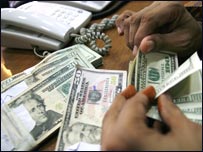
Caribbean nations included in a new report on remittances have performed marginally better overall than their Latin American counterparts. In 2008, Latin American and Caribbean expatriates sent home some US$69.2 billion, a 0.9 percent rise compared to 2007, according to the Inter-American Development Bank (IDB). Of the seven Caribbean countries listed in the survey, the increase was 1.2 percent, reaching $7.7 billion. They are Belize ($110 million), Haiti ($1.8bn), Jamaica ($2bn), Guyana ($415mn), Trinidad and Tobago ($130mn), Dominican Republic ($3.1bn) and Suriname ($120mn). According to the bank, the amount of money sent home by foreign workers -- an economic lifeline for many nations -- is expected to fall for Latin America and the Caribbean this year. The rate of decline has already set in after a decade of growth, according to the bank. 'Worst crisis' For those Caribbean nations listed, the remittance flows rose 11.5 percent between from 2006 to 2007 when times were obviously better. "While it is too early to project by how much remittances may decline in 2009, this is bad news for millions of people in our region who depend on these flows to make ends meet," said IDB President Luis Alberto Moreno. He added: "The issue has become more complex, as more factors have come into play. The world is facing its worst economic crisis in recent memory. Unemployment is rising in industrialised nations.
"The climate against immigration is becoming harsher. Even exchange rate fluctuations are playing a larger role than before.' Remittances have become a crucial source of income for many countries. In Guyana, these funds represent 43 percent of the gross national product; in Haiti 35 percent, and Jamaica 18 percent. They are the top foreign-exchange earner for Guatemala, at $4.3bn in 2008, ahead of coffee, sugar and other exports. Some 1.35 million Guatemalan citizens -- 10% of the country's population -- are said to live in the US. Two Caribbean countries registered actual declines in remittances last year -- Guyana (2 percent)and the Dominican Republic (0.2 percent). For the other five, the figures constituted a record. Devaluations Most of the money sent by migrants goes to pay for basic expenses such as food, shelter, clothing and medicines. The IDB said the financial crisis has especially hit industries that employ foreign workers, such as construction, manufacturing, hotels and restaurants. Remittance senders and their beneficiaries back home were also hurt by last year's spike in oil and food prices, which further eroded their incomes. In addition, exchange rates swings started to have greater influence than in the past, especially in countries that experienced sharp devaluations or have large expatriate communities in Europe. Countries which are either dollarized or have currencies pegged to the US dollar, are more protected from exchange rate fluctuations, the bank said. About three-quarters of the remittance flows to Latin America and the Caribbean come from the US. Spain and Japan are other major sources. The bank said that the predicted fall in remittances would end a decade of sharp growth that had boosted developing economies throughout the region. In Latin America and the Caribbean, Mexico received the most money from its citizens abroad, about $25bn. | |||||||||||||||||||||||||||||||||||||||||||
| |||||||||||||||||||||||||||||||||||||||||||
 | |||||||||||||||||||||||||||||||||||||||||||



 Archive