



 | | | | | | | |||||||||||||||||||||||||||||||||||||
| | ||||||||||||||||||||||||||||||||||||||||||
|
Tax havens come under new scrutiny | ||||||||||||||||||||||||||||||||||||||||||
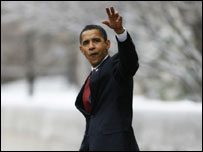
Caribbean low-tax financial centres are bracing themselves for a tough year. The apparent gloom over the region's financial sector has not been helped by the Bernard Madoff scandal. The Organisation for Economic Cooperation and Development (OECD) was already piling the pressure on the so-called offshore tax havens when the US scandal broke. The New York Times as quoted investigators as saying they believe Mr Madoff, the disgraced Wall Street financier, had an account or possibly multiple accounts located in offshore tax centres to evade American taxes. Some of the focus could be on jurisdictions in the Caribbean, home to some of the world's prominent centres, such as the Cayman Islands and the British Virgin Islands. Barack Obama, the incoming US president, has added to the pressure for further scrutiny on tax havens. He has said: "We need to crack down on individuals and businesses that abuse our tax laws so that those who work hard and play by the rules aren't disadvantaged." New blacklist This has led one Caribbean leader to call for early dialogue with Mr Obama. St Kitts and Nevis Prime Minister Denzil Douglas said there was an urgent need to engage the President-elect on his views, adding that they could hurt the two island federation's economic diversification strategy. Dr Douglas also cited the twin threat of OECD countries to introduce a new "blacklist" of off-shore financial jurisdictions.
In a speech in Miami in early December, the Barbados Prime Minister David Thompson urged the incoming US administration not to pursue policies that would damage the island's financial services sector. Mr Thompson said Caribbean governments had taken decisive measures to guard against money laundering, terrorist financing and transnational crimes. He said: "Increased United States pre-occupation to ensure that US taxpayers pay their fair share of taxes to cover the costs of government engineered bailout and to fund two wars should not find expression in legislative bills that name and shame." As a Senator, Mr Obama co-authored bills that focused on what he believes is the role played by offshore centres who use tax incentives to encourage wealthy individuals and companies to evade domestic taxation. The OECD, made up mostly of rich nations, has also heard renewed calls from France and Germany to get tough on tax havens and draw up punitive measures for countries that don't share tax information. These calls have got louder as the international financial market turmoil deepens and industrialised nations seek more sources of cash. Integrity But the junior minister of finance in the Bahamas, Zhivargo Laing, dismisses any connection. "There (is) no nexus between this current international financial crisis and any offshore financial centre and its regulation," he told parliament. Mr Laing, however said they must be continued focus on sectoral reforms, to remain competitive and maintain integrity.
All those comments were made before the Madoff scandal broke. Mr Madoff, 70, a former Nasdaq stock market chairman, is accused of running a giant pyramid scheme, paying returns to certain investors out of the principal received from others. It could make for uncomfortable reading if a significant portion of the alleged missing Madoff billions is traced to the Caribbean. Prime Minister Thompson of Barbados believes there is a diplomatic solution to the issue. "Rather than target and destabilise the Caribbean economies, the US government and Congress should consider us a special case and work with us to increase cross-border cooperation," he said. | |||||||||||||||||||||||||||||||||||||||||||
| |||||||||||||||||||||||||||||||||||||||||||
 | |||||||||||||||||||||||||||||||||||||||||||


 Archive