| | | | | | | ||||||||||||||||||||||||||||||||||||||||||||||||||||||||||||||||||||||||||||||
| | |||||||||||||||||||||||||||||||||||||||||||||||||||||||||||||||||||||||||||||||||||
|
The Castros and Caricom | |||||||||||||||||||||||||||||||||||||||||||||||||||||||||||||||||||||||||||||||||||
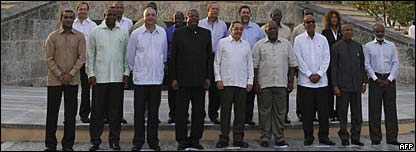
When Caribbean Community (Caricom) leaders met Raoul Castro in December 2008, Caricom's current chairman Baldwin Spencer referred to the American embargo as a "surprising relic". The Antiguan leader said he hoped America's incoming president Barack Obama would consign the 46 year-old embargo to history. However, for Cuba's neighbours in Caricom, made up mainly of the English-speaking Caribbean which had been the former British West Indies, the embargo has been something to get around. In true Caribbean form, Caricom members had found ways since 1962 to both do business with Havana while staying in the good books of their powerful neighbour to the north. Health co-operation First on the Caricom business list with Havana has always been the movement of health care experts from Cuba, training for Caricom nationals there, and the general sharing of Cuba's expertise in health. The most recent example is the treatment of Trinidad and Tobago's Prime Minister Patrick Manning for cancer in Cuba. Trinidad and Tobago is one of Caricom's wealthiest nations with numerous health facilities. There was one period when Caricom nations questioned the Cuban health system. In 2006, Jamaica had called for Cuba's eye care programme to be suspended after bad reports from Jamaicans returning home with corneal damage. Cuba, which at that time had been providing eye treatment to 230,000 people across the Caribbean and Latin America, said this particular situation had been blown out of proportion. The Castro brothers Fidel Castro, while strutting the world stage, put aside time during his tenure as president to nurture a close relationship with Caricom. Over the year's his increasing support amongst some former Caricom leaders had raised Washington's post Cold war attention. Papers released 30 years after Guyana's Cheddi Jagan had first been pushed out of office indicated that both the US and Britain had been concerned that Dr Jagan might have turned into a Castro at the southern end of the Caribbean chain. The consequences of getting close to Cuba were, however, most visible in Grenada. There, the close relationship between then Prime Minister Maurice Bishop and Castro's Cuba helped fuel the Washington resentment which, after Bishop's death, provided the pretext for the American-led invasion of Grenada in 1983. 20 Cubans, 45 Grenadians and 18 US soldiers were killed in the conflict in Grenada. Fidel Castro has been honoured in many ways by Caricom nations.
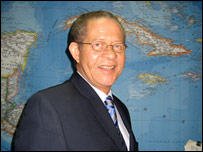
And, in the latest, he was bestowed with Caricom's highest honour - the honorary Order of Caricom award during the third Cuba-Caricom held in Santiago de Cuba in December 2008. At one point, there had been questioning on whether the warm relations would remain after Fidel stepped down from office. Caricom's offer Much of the giving has been on Havana's part. BBC Caribbean asked Cuba's nearest neighbour, Jamaica, about whether the relationship with Caricom has been one way. Jamaican leader Bruce Golding said: "Cuba, despite the fact that has advanced significantly, is still the subject of an embargo." "If you were to ask what is in it for Cuba, I would say...regularisation of its place in the international forum," Golding added. Jamaica is already working on a deal to market Cuba and Jamaica as joint travel destinations in the future. Golding said: "There's so much a Cuba can do within the region to help strengthen the capacity of the region to compete....much of it acquired through the hard experience which Cuba has had to go through (with) the embargo." Caricom has given moral and diplomatic support to give Cuba to counter Washington's bid to isolate it in the region. Correspondents say Cuba was grateful for the diplomatic support of Caribbean countries that were willing, even in Cold War days, to defy the United States, which for decades has fought to curb Cuba's influence in the region. For Raoul Castro, December's summit was yet another opportunity to build on that support. |
LOCAL LINKS  Castro temporarily steps aside Castro temporarily steps aside01 August, 2006 | News Grenada 17 should get new trial27 June, 2006 | News Cuba defends eye care programme01 June, 2006 | News EXTERNAL LINKS The BBC is not responsible for the content of external internet sites | |||||||||||||||||||||||||||||||||||||||||||||||||||||||||||||||||||||||||||||||||||
| ||||||||||||||||||||||||||||||||||||||||||||||||||||||||||||||||||||||||||||||||||||
 | ||||||||||||||||||||||||||||||||||||||||||||||||||||||||||||||||||||||||||||||||||||