



 | | | | | | | |||||||||||||||||||||||||||||||||||||
| | ||||||||||||||||||||||||||||||||||||||||||
|
EPA: Caribbean still divided on treaty | ||||||||||||||||||||||||||||||||||||||||||
Guyana’s President, Bharrat Jagdeo, has said his country may have to be pushed into signing the Economic Partnership Agreement the region has negotiated with the European Union. He said Guyana will only sign the agreement if the EU moves to impose tariffs on Guyanese exports. The issue has divided opinion across the region with those for and against the EPA holding strong views on whether or not the Caribbean countries should finalise the signing. Caribbean countries ‘initialled’ the EPA at the end of last year, under pressure of time it was stated. They were facing a year-end deadline set by the World Trade Organisation which had earlier ruled against the then preferential trade access to the EU Markey enjoyed by African, Caribbean and Pacific (ACP) states. The WTO had said that it violated free trade rules. According to President Jagdeo, Guyana's refusal to sign the EPA is based on legal opinions from experts including University of Cambridge International Law professor, Dr Lorand Bartels.
Dr Bartels has advised that African Caribbean Pacific (ACP) countries are not obliged under treaty law or World Trade Organisation rules to sign any interim or full EPA that they have initialled. He said that an initialled text is sufficient for WTO negotiation. The formal signing is scheduled for July 23. President Jagdeo said he intends putting the legal advice given by Professor Bartels to the test. For and against the EPA Caribbean countries initialled the EPA last December to avoid the threat of Europe imposing higher tariffs on exports from the region. "I would have to weigh at that time whether our exports can withstand the tariffs." But he is not optimistic: "Frankly speaking I doubt that," he declared. "So we may have to sign the agreement," he concedes. However President Jagdeo is adamant that if it comes to that it would be against their wishes. “It would be under duress”, he said. President Jagdeo added: “It would be another instance of the European Union using its trade might and economic might bullying a developing country into an agreement … because it suits their interests.” He has had backing in his reservations from a former head of the Caricom Regional Negotiating Machinery(RNM). The debate heats up Sir Shridath Ramphal told BBC Caribbean, that regional leaders would be making a mistake if they go ahead and complete the signing of the EPA. But a current senior RNM official disagrees.
Henry Gill, Senior Director with the RNM, says the EPA has substantial built-in protections for sensitive sectors. He said this means that means they will not be subjected to the free trade provisions of the agreement. The RNM led the Caribbean's talks with the EU on the EPA. Among those governments welcoming the EPA, Barbados and Jamaica have been the most vocal. On the nother hand, the Caribbean Congress of Labour warned a few days ago that jobs and industries could be lost to cheaper European imports. The CCL wants the EPA reviewed and renegotiated. One of the main opponents of the EPA has been University of the West Indies Professor Norman Girvan. He has told BBC Caribbean that if it signed in its present form, the EPA will, at best, be a "very fragile" arrangement. | |||||||||||||||||||||||||||||||||||||||||||
| |||||||||||||||||||||||||||||||||||||||||||
 | |||||||||||||||||||||||||||||||||||||||||||


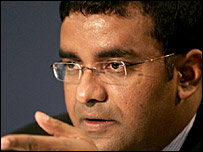
 We may have to sign ... under duress
 Archive