



 | | | | | | | |||||||||||||||||||||||||||||||||||||
| | ||||||||||||||||||||||||||||||||||||||||||
|
Cuban leaders plan more reforms | ||||||||||||||||||||||||||||||||||||||||||
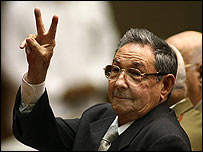
Recently announced agricultural reforms in Cuba could be the springboard for more changes, says a state newspaper. The official Granma newspaper also welcomes the lifting of restrictions in several sectors of the economy. It will now be easier for state workers to own their homes and pass them on to their children. Wage limits are to be removed to allow more incentives. Raul Castro has introduced a series of reforms since taking over as president from his brother Fidel in February. These include the removal of some restrictions on the purchase of electrical goods such as mobile phones, microwave ovens and DVD players. The state has also lifted a ban on its people staying in hotels previously reserved for foreigners - a measure which has only now been officially acknowledged in the latest edition of Granma. The housing reforms will mainly affect people who could lose their state housing when they retire, says the BBC's Michael Voss in Havana. This includes military families, sugar and construction workers, doctors and teachers. According to government figures, about 85% of Cubans already have legal title to their homes, our correspondent adds. Buying and selling property is still not allowed, however. Agricultural output One of the biggest reforms has been to agriculture, giving farmers more scope to decide how to use their land, which crops to plant and supplies to buy. Unused state land is now being lent to private farmers as part of efforts to increase agricultural output. Farmers are also being paid more by the government for some products, such as potatoes. The official newspaper says the reforms were initiated by Fidel Castro and expanded on by Raul with contributions from millions of Cubans with a view to improving socialism. But in a separate article, Fidel Castro criticises what he terms people who worship selfishness. Referring to a report on wealth disparities in Romania - a former Communist country - he warns of the dangers of easy access to consumer goods. | |||||||||||||||||||||||||||||||||||||||||||
| |||||||||||||||||||||||||||||||||||||||||||
 | |||||||||||||||||||||||||||||||||||||||||||


 Archive