



 | | | | | | | |||||||||||||||||||||||||||||||||||||
| | ||||||||||||||||||||||||||||||||||||||||||
|
Let public "in" on EPA talks | ||||||||||||||||||||||||||||||||||||||||||
"Better late than never," is how a University of the West Indies professor has described a call for public discussion of a proposed Economic Partnership Arrangement with the European Union. Economics professor Norman Girvan and three other professionals - a diplomat, a businessman, and an NGO representative - have issued an open letter to CARICOM asking them to publish the draft EPA agreement to allow public discussion. The Caribbean, along with African and Pacific countries in the ACP group, are locked in negotiations with the European Commission for the free trade deal which will replace the existing preferential access the EU market. The World Trade Organisation had ruled that the current deal violates global free trade rules and must end by December 31st. The ACP countries say what's on offer puts them at a severe disadvantage but the EU negotiators are pressing them to sign. Impact Professor Girvan says it's important that the people in the region have a say in what's being negotiated on their behalf. "The point is that the provisions of this EPA will impact on all sectors of Caribbean society," he told BBC Caribbean. He added: "We have unfortunately have had instances in the past where negotiations, for example the World Trade Organisation, which have a lot of far-reaching implications, being concluded without a full public understanding of what was being agreed." More time to talk Meanwhile, the European Trade Commissioner, Peter Mandelson, has indicated that talks with the Caribbean on a new trade deal could spill over into next year.
His statement came after the president of the Commission, Jose Manuel Barroso, issued a new warning to the African, Caribbean and Pacific group. The Commission head said that their exports could be hurt if they miss an end-of-year deadline to sign the deals, known as economic partnership agreements or EPAs. Peter Mandelson said ACP countries recognised that deals, being negotiated with six ACP regions, were needed before January if they are to avoid reduced preferences. "We still have hard work to do and little time to do it. Nothing is yet guaranteed. "But it is clear that we have turned a corner in negotiations and agreements are in sight for most ," he told a European Parliament committee. | |||||||||||||||||||||||||||||||||||||||||||
| |||||||||||||||||||||||||||||||||||||||||||
 | |||||||||||||||||||||||||||||||||||||||||||


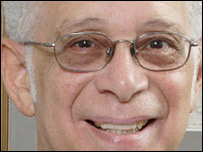
 The point is that the provisions of this EPA will impact on all sectors of Caribbean society
 Archive