| | | | | | | |||||||||||||||||||||||||||||||||||||
| | ||||||||||||||||||||||||||||||||||||||||||
|
Caracas, Caribbean sign on to oil | ||||||||||||||||||||||||||||||||||||||||||
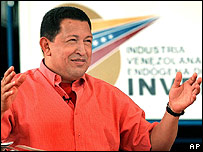
Venezuelan President Hugo Chavez met leaders of Caribbean nations on Tuesday to sign agreements for his preferential oil trading programme, known as Petrocaribe. Under the plan, Caribbean states will be able to buy 185,000 barrels of Venezuela oil daily on special terms. Jamaican Prime Minister P.J. Patterson told the gathering at a Montego Bay resort that participating governments would pay the market price for Venezuelan oil, but they would only be required to pay a portion of the cost up front and could finance the rest over 25 years at 1 percent interest. Governments could also pay for part of the cost with services or goods such as rice, bananas or sugar while Venezuela would provide assistance in expanding shipping and refining facilities. Mr Chavez has portrayed the deal as an alternative to the proposed Free Trade Area of the Americas agreement backed by the United States. "No strings" "We have the opportunity to break from the path of domination and servitude," he told his audience in the northern Jamaican town. Mr. Patterson said Petrocaribe came "without any political strings". The talks are being attended by representatives of Antigua and Barbuda, the Bahamas, Barbados, Belize, Cuba, Dominica, the Dominican Republic, Grenada, Guyana, Jamaica, Suriname, St Lucia, St Kitts and Nevis and St Vincent and the Grenadines and Trinidad and Tobago. Two countries - Barbados and Trinidad and Tobago - have declined to join the agreement at present. Trinidad, also an oil exporter to the region, has expressed concerns that joining would hurt its economic interests. Venezuelan Foreign Minister Ali Rodriguez said negotiations aimed at making the two dissenting nations partners in the Petrocaribe initiative would continue. |
| ||||||||||||||||||||||||||||||||||||||||||
| |||||||||||||||||||||||||||||||||||||||||||
 | |||||||||||||||||||||||||||||||||||||||||||
 Email a friend
 Printable version