Why plant a hedge?
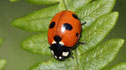
Planting a hedge can be beneficial for a wide range of wildlife, from insects, like butterflies and moths, to small mammals and birds. They can not only provide an excellent source of food, but also give shelter from predators.
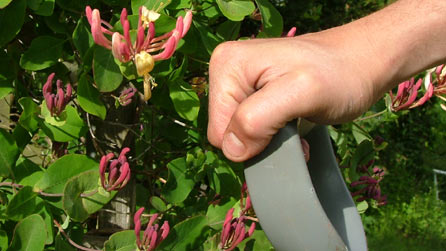
Not only that but they are a great year round wildlife feature, as they provide blossoms and flowers during spring/summer and then berries during autumn/winter.
How to plant a hedge
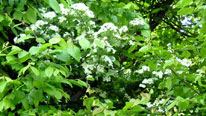
- Choose a mix of native hedging species to attract a wider variety of bugs this way. In turn a good range of bugs means you’ll also find a better variety of mammals and birds, all of which will come along to eat them. Hedge mixes are available from tree nurseries and garden centres.
- Hawthorn, blackthorn, guilder rose, yew, beech, native privet and field maple are great sources of food and also provide nesting sites and protection for a range of wildlife.
- For added value, holly and blackthorn (along with other prickly plants) are a good burglar deterrent.
- If you have the space, plant double rows. If not, then zig-zag the plants so they have a bit more space to spread.
- Autumn is the best time of year to trim a hedge because birds have finished nesting and the soil is still warm from the summer. Deciduous plants should be pruned once their leaves have fallen off and they’re dormant. Cut back hard in the first year or two to thicken up the hedge at the base.