Why buy compost when you can make your own?
It’s not rubbish, it’s renewable. Why throw your kitchen scraps in the bin when you could be using them to make your garden more lovely and attractive to wildlife?
A compost heap makes a delicious refuge. Larger mammals come to root around for old fruit, hedgehogs to eat the slugs, and reptiles and amphibians love the warmth it generates. It’s also a great way to attract the elusive slow worm.
Different types of compost heap
- A literal heap – a loose pile – is good for animals that might like to burrow into it, such as hedgehogs and toads.
- A dustbin-style compost bin is good for worms and invertebrates but larger animals won’t be able to find a way in.
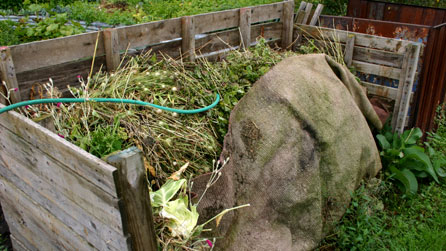
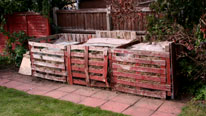
- Make a traditional boxed compost heap with planks, posts and chicken wire.
- A compost heap with several chambers is ideal. Once you’ve filled one section with scraps, you can leave it to rot while you put fresh waste into another. If you don’t have space, try to build in access to the bottom of the pile with a door, so you can use the old stuff while you’re adding to the top.
- Avoid chemical activators. They can be poisonous to wildlife.
- Autumn leaves are good for the heap.
- Compost needs to be damp to keep it decomposing, but not soggy-wet. Sunlight should stop it from going slimy.