Keep the bees in clover
Attract bees to your garden, they'll help pollinate your plants
Make the garden buzz
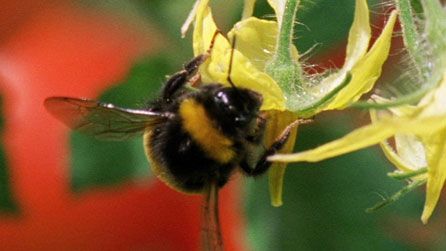
It’s a two-way thing, provide bees with the flowers they love and in return they make us honey, pollinate crops and make our gardens burst with colour. Flowers are the best way to attract bees so plant as many as you can.
But don’t forget that flowers don’t just have to be in the borders. If you let your grass grow a little longer than usual, plants such as clover will have a chance to flower, too.
Clover is a natural way to fertilise your soil which will make your grass greener, and it’s a good way to keep the kids quiet for a while – send them out to look for a four-leaf clover!
Easy plants for insects
- Flowers with open heads are good as the pollen’s within easy reach of bees and other insects. Native varieties are especially good, and old or native roses are usually better than newly developed ones which don’t always have an accessible centre.
- Grow plants that bloom at different times of the year. Not just for your sake, but for also to give insects a year-round supply of food.
- Buddleia is also known as the butterfly bush, because its an absolute favourite with butterflies and bees.
- Moths love rosebay willowherb and plants with flowers that give off a scent at night, such as evening primrose and tobacco.
- Honeysuckle is everyone’s favourite – it’s worth planting one of these near a patio for your benefit as well as the insects.
- Hoverflies love the hardy poached egg plant.
- Poppies self-seed and grow in poor soil, so they’re little effort to maintain.
- As it’s important to provide food all year round, spring bulbs are a useful source of food when most plants haven't yet grown. They’re easy to plant and grow and multiply year after year.
- Lavender and catmint are easy plants to grow, don’t need much attention, and will go down really well with bees.