
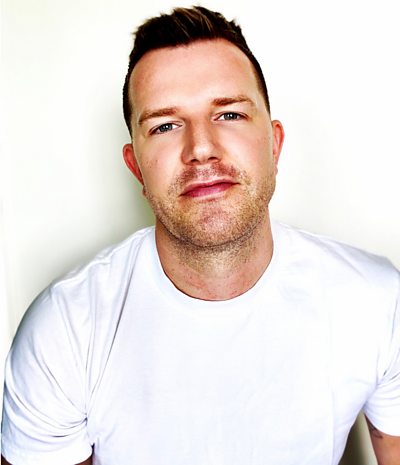
As Riverdale spinoff Katy Keene comes to BBC iPlayer we took the opportunity to catch up with Leo Richardson, who was previously an actor, playwright and then a writer for EastEnders, before he made the move to the USA. Since moving, Leo has been part of the writers' room for Katy Keene (and previously the Lee Daniels' show Star).
Leo introduces Katy Keene and describes how the US writers' room and pilot season system works as well as offering some great advice.
Hi Leo, we last spoke to you when you attended a BBC Writersroom writer’s residential back in 2015 how did that work out? Did you take anything helpful away from that experience?
Yeah, I picked up some really good tips for pitching and made some great connections! It was fun!
At the time you were writing for EastEnders, when did you decide to make your next move and what prompted that decision?
Dominic Treadwell-Collins, who brought me onto the show had made the decision to leave, and I decided after three plus years it was time for me to do something different and scary. I had just sold an idea for a pilot to ABC Studios in America and a friend had a spare room at his house in LA, so I jumped on a plane and never came back… Mostly because I met a great guy and got married.

Your next credits (according to IMDb) are on the Lee Daniels drama Star, about a trio of women forming a musical group in Atlanta with a cast including Queen Latifah. How did that come about?
After spending three months in the USA I decided to apply for an artist visa. It was a bit of process but having worked on EastEnders really helped. It was a dream of mine to work in a writers' room. I was at a friend’s party and happened to be introduced to an executive. We chatted and it was perfectly pleasant. A few weeks later my friend was running late to meet me at the gym and so I went to grab a coffee where I ran into that same executive, who told me they were looking for writers for a new show called STAR by the creator of Empire, whom I would come to realise was Lee Daniels (who made Precious and The Butler etc). I was super nervous. Luckily, he read my work, loved it and gave me a job. Never let anyone tell you “networking” isn’t valuable. And thank you to my friend Daniel for being late to the gym that day!
When we last spoke you talked about how you were a fan of the US style of writing drama in a writers’ room. Was that the model on Star and subsequently on Katy Keene? Can you explain more about how it works?
Yeah, sure. The writers' room is great because it’s like having a full time office job but it’s writing and you get to hang out with other writers all day. Some writers like that, some don’t, but I love it. I’m definitely more of a people person.
In the UK if you sell a series, you’re often doing 6 episodes and writing it yourself but US shows can be up to 22 episodes and you can’t do that alone! A typical network show will usually consist of about 12 writers at different levels of experience and background. The showrunner (usually, but not always the creator of the show) is at the top of the chain. You come into the office every day and the hours vary but it’s normally a work day (9-5). Some people torture writers and make them work all day and night until the small hours, but that seems wildly unproductive to me. You break the season as a group and then get assigned episodes to write as you go along. Sometimes you “group write” a script, which means you all write individual scenes and/or storylines and then the writer of the episode gets to stitch it all together then do their own pass on it. This just helps get the script written quicker because network TV moves so fast. Sometimes you get to write the whole script by yourself. It just depends on what the showrunner prefers and how much time you have.

The other great thing is that the writer mostly always flies to set to “produce” their episode. This really just means you’re representing the showrunner and writers' room to make sure the right words are said, or handle any changes. You’re really representing the showrunner on the ground.
One of the parts I love about set is working with the actors because that’s how I started out my career. I remember my first time on set at STAR when Queen Latifah called me over and whispered to me: “This is a weak line”. I sh*t my pants but she was totally right. And she was really kind about it. She let me go away and come back with something that was actually way better. That was a good example of how to handle that situation. Some actors put you on the spot in front of the entire set and you fantasise about writing them out Joey Tribbiani “Days of our Lives” style (he falls down an elevator shaft, if you didn’t get that reference).
All in all, set experience is one of the most rewarding parts of the job - watching it all come together is magic. You barely get any sleep but it’s absolutely worth it.
You also mention being both writer and producer, can you explain?
There is a very set hierarchy in the USA writers' room. Once you get to a certain level of experience, you become a producer on shows and you get more responsibility.
Can you describe how the US pilot season works? What has been your experience of the pilot season?
Yes, basically, every year around August/September, the broadcast networks (ABC, NBC, CBS, Fox etc) will hear pitches and buy ideas. They’ll foster writers through the writing process and select a handful of comedies and dramas to shoot as pilots. Out of those, they’ll select their favourites to take to a full series. I’ve been through this and it’s chaos. Tight deadlines and a lot of notes. But with the emergence of so many streaming services, pilot season is becoming less and less important. You can sell a show to Netflix or Amazon any time of year!
Katy Keene is set in the same universe as the massively popular Netflix show Riverdale. Can you give us an introduction to that world and the Archie comics and how Katy Keene fits into that world?
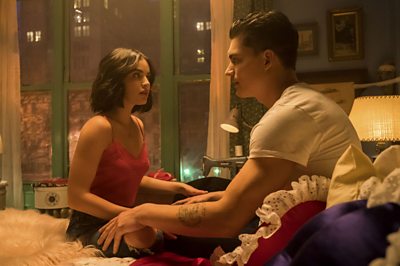
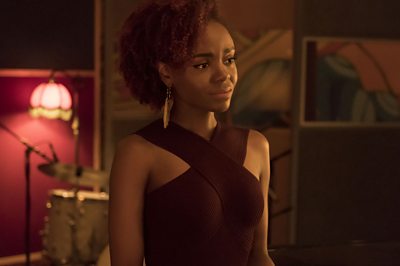
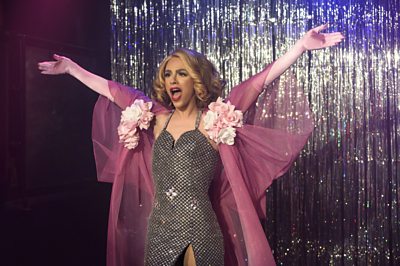
Yes, Katy Keene is a comic book character from Archie comics, created in the 50’s. She was a model/actress and fashion designer and pretty effing fabulous. In the TV show Katy Keene is an aspiring fashion designer trying to make it alongside her friends; Josie McCoy (From Riverdale) a singer and musician, Jorge aka Ginger Lopez, a drag queen with Broadway ambitions and Pepper Smith, a con artist and socialite. The show is about being in your 20’s and being broke but having big dreams. It’s about the climb.
Does the world of Katy Keene have a specific aesthetic? What can we expect from the show?
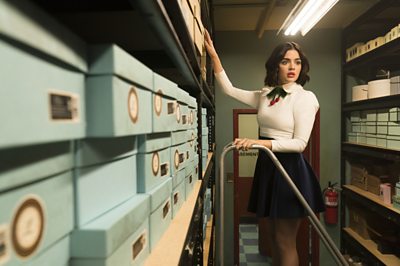
The TV adaptation is set in an elevated and fantastical New York of the imagination. It's heightened and escapist, which people need right now. There is so much darkness in the world. I first saw the pilot when I had to meet the showrunners (Roberto Aguirre-Sacasa and Michael Grassi) to interview for the job and I was hooked within minutes. It reminded me of the first time I saw Ugly Betty. So much humour, heart and charm and it doesn’t take itself too seriously. Expect it to feel like a warm hug. You could probably watch the entire season over a weekend.
Katy Keene has been praised for its inclusion and diversity. That seems to be a running theme through your work. Why is that so important for you?
Yeah, I would say Katy Keene is probably the most female forward, diverse and queer show The CW has on its platform - and the fans here have been very vocal about the stories that they connected to. I am so proud to have been even just a small part of that. When I was younger, I used to watch Queer As Folk in my bedroom with the sound down so my parents wouldn’t know. I was terrified of anyone finding out I might be gay, especially while I was still figuring it out for myself.
When I write, I love to ask what my 16-year-old self would want to see but now it’s become so much more than that. The idea that you can connect to someone through that box in the living room and give them a little hope when they are going through something hard is the real magic of television. I’m proud that every show I have written for has tackled homophobia, transphobia and racism. Right now, LGBTQ+ people are being persecuted and tortured, for example in Chechnya and Russia. We still have so much work to do. I try to support charities and do my part, but in entertainment we can help make a difference, too.
What happens next for you?
Despite the great critical reception and an overwhelming outpouring of love Katy Keene was cancelled, so there won’t be a second season. The CW had announced 13 more episodes (which would have been season 2) but I think when Coronavirus hit, a lot of things changed, networks lost money and shows got cancelled. Had it not been for that, we would be writing season 2 now. Our start date was actually the day we went into lockdown in California. It was a dream job and the hardest part of being a writer is having to say goodbye before you’re ready to. But I have been using the time trapped at home to work on my own ideas, mostly things I’ve been excited about but never got to. I have a half hour drama with BBC Studios that I am ready to pitch and some other cool things over in the USA. I don’t want to jinx any of them, so I guess stay tuned?
You self-define as “queer and working class”, what would be your advice to other writers from a similar (or any) background who are looking to follow you into the industry? Are there practical steps that you think the industry should be taking?
Firstly, the working class is desperately underrepresented on TV and that’s probably because there aren’t enough of us at the top. I’ve always believed it stemmed from us not always being able to support ourselves through the ups and downs of life as an artist. My biggest advice for someone trying to break in is to be prepared to take rejection and keep going, even if you have to work other jobs on the way up, like I did. I’ve been a personal trainer, a (terrible) builder, a waiter, a receptionist… you name it. Write every day, read plays and scripts, watch theatre, TV and film, find out who people are and know your s**t. Apply to every workshop, programme and competition because eventually, if what you write truly stands out, someone will see it. But you have to have a point of view. Don’t write what you think people want. Write what you want. That’s the stuff that stands out. And I guess remember that luck is being ready for when an opportunity arises.
My advice to LGBTQ+ writers is the same. We are not nearly where we need to be. Homophobia is still there, it’s just hidden better. Whenever I have pitched a TV show with gay leads in Hollywood, the resounding answer is always “it feels too niche”. We all know this means “too gay”. There are great shows that become the exception, but they are not in the majority. And let’s be honest, commissioners and executives look to the same select few writers to do “the gay shows” over and over. There should be room for us all but the only way we can make that happen is to keep writing, creating and putting ourselves out there. Every queer voice counts.
Watch Katy Keene on BBC iPlayer from Saturday 25th July
Latest blog posts
More blog postsSearch by Tag:
- Tagged with BlogBlog
- Tagged with DramaDrama
- Tagged with USAUSA
- Tagged with Web seriesWeb series
- Tagged with 20202020
